Меню

Development of civil society, organization of work on the formation of the subject of the state social order and conducting competitive procedures, organization of monitoring the activities of public councils of the Kostanay region, etc.
On a regular basis, it provides consulting and methodological assistance to state bodies and non-governmental organizations on various issues related to their activities.
The NGO database is checked on a quarterly basis with the departments of justice and state revenue. So far, 945 NGOs have been registered in the region, including 785 organizations. 468 organizations submitted information to the national database of NGOs. The rest of the organizations will be subject to administrative violation reports in accordance with article 489 -1 Of the law of the Republic of Kazakhstan "on non-profit organizations".
In order to solve the social problems of the local community and support non-governmental organizations, state bodies are implementing a special social order.
This year, 296 projects are planned to be implemented in the region.
Within the framework of the state social order of the Department, 6 projects are being implemented. Among them, 3 projects on organizing the activities of NGO resource centers, which include training seminars for non-governmental organizations and initiative groups, consulting and methodological assistance, including registration in the national database of NGOs, participation in state social order competitions, Fairs of social ideas and projects, and a project Competition aimed at solving problems of the local community. The remaining 3 of the project aimed at carrying out activities in support of gender policy, the implementation of the program "Rouhani gear", organization outreach center initiatives of the President and program documents of Kazakhstan.
The Department also monitors the activities of Public councils of Kostanay region on a quarterly basis.
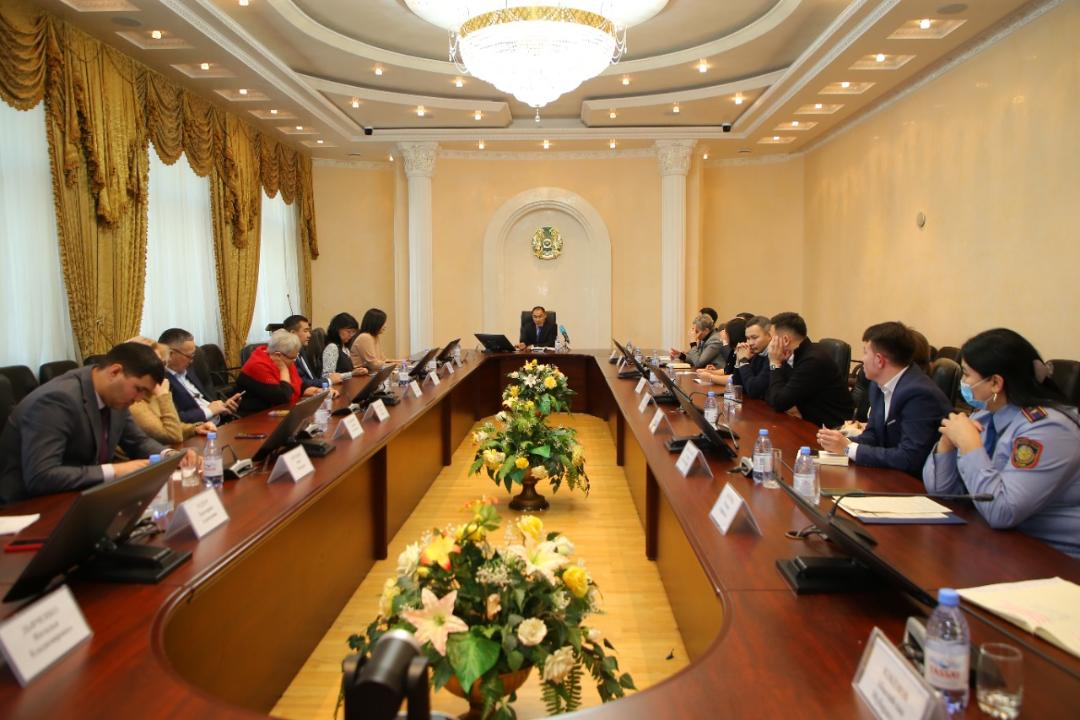
The regional and 20 regional Public councils operate in the region. The total number of Council members is 246. The Councils are composed of representatives of state bodies and organizations, political parties, NGOs, the business community, the media, and others.
So far, the Councils have held 219 meetings, 55 public hearings, 2 public monitoring sessions, and reviewed 424 draft legal acts.