GOV.KZ – Single platform for the digital resources of government agencies

Меню
Страницы
Consular issues
Contacts
Bilateral cooperation
About the Embassy
Все материалы
12 октября 2026
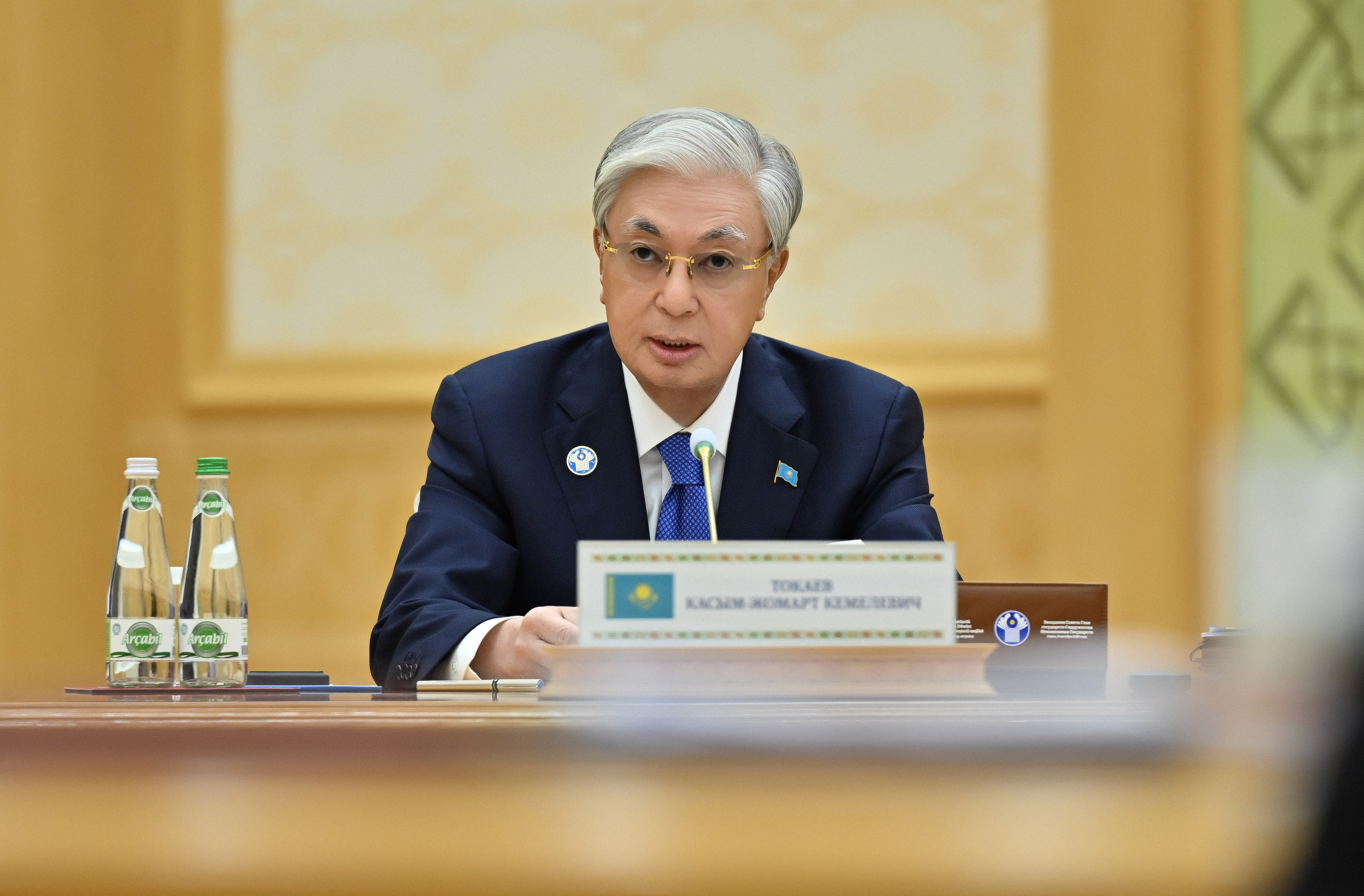
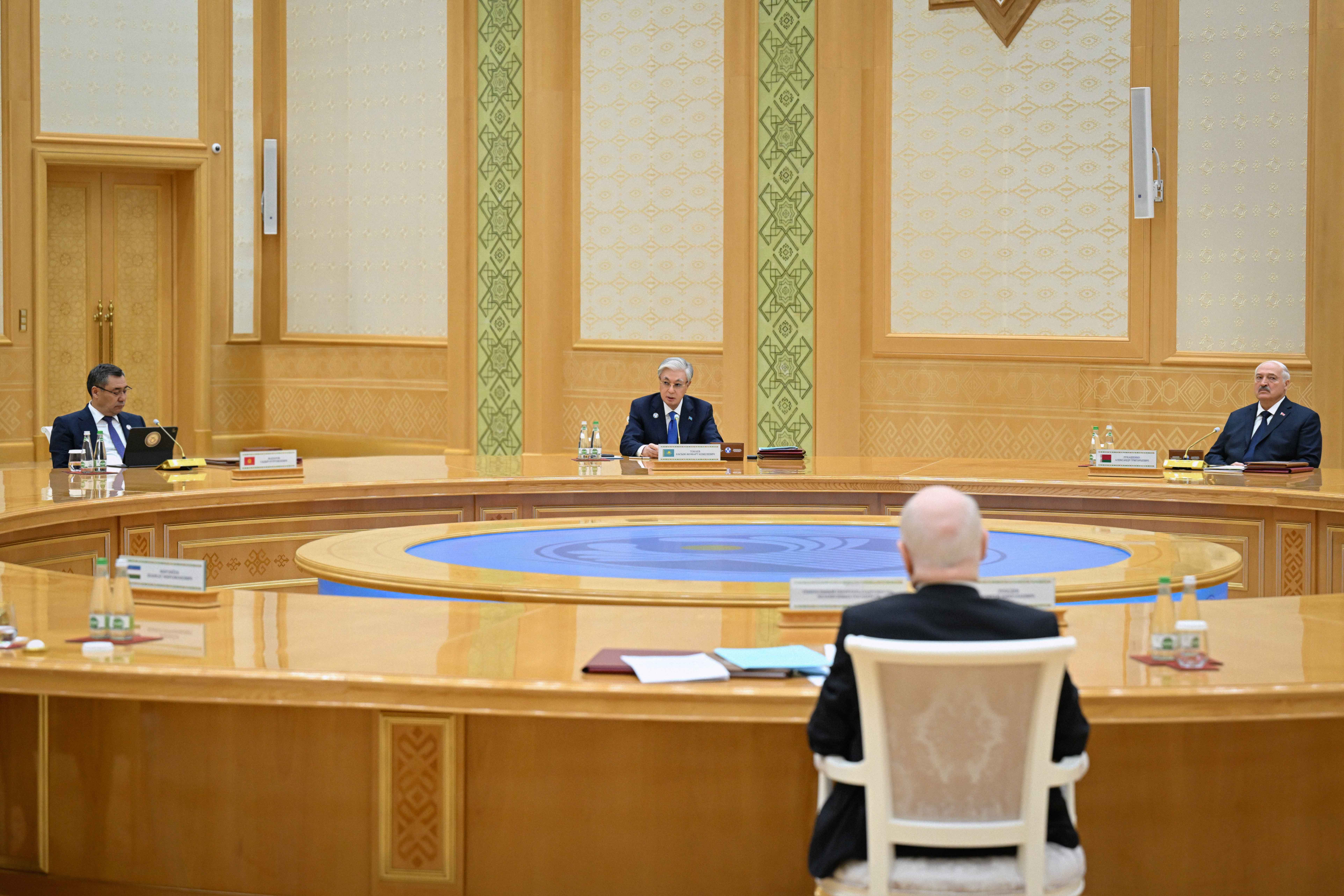
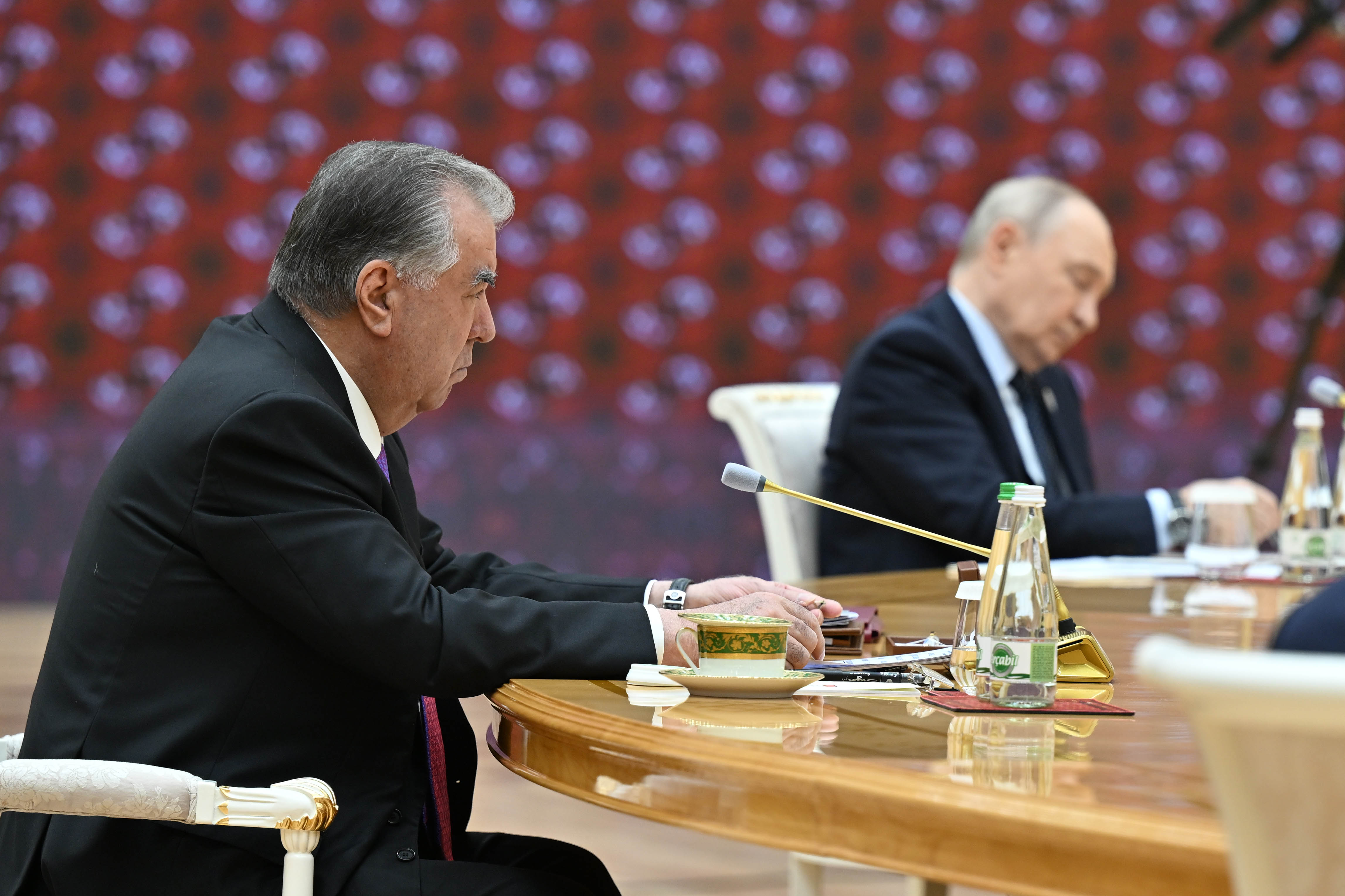
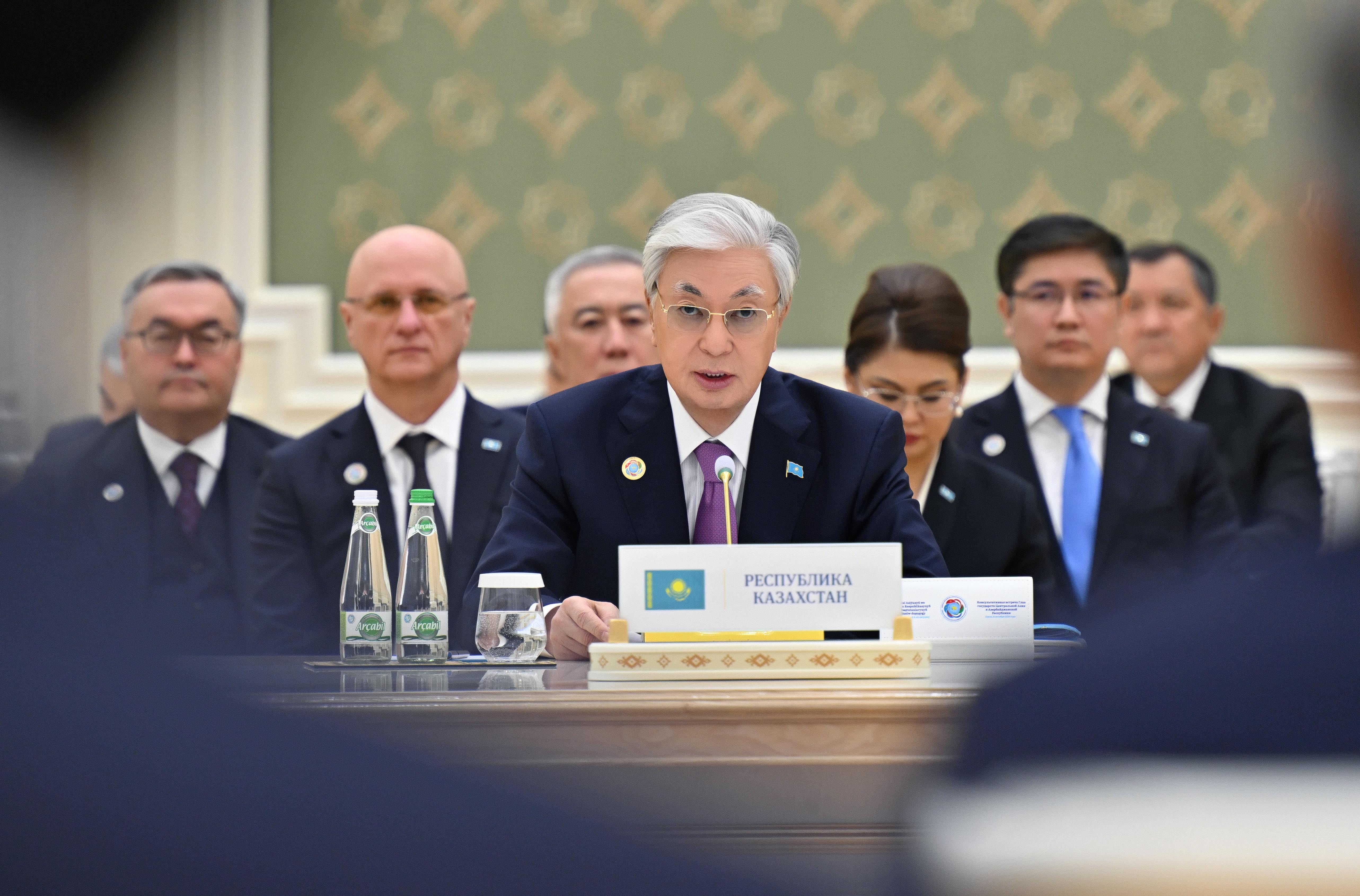
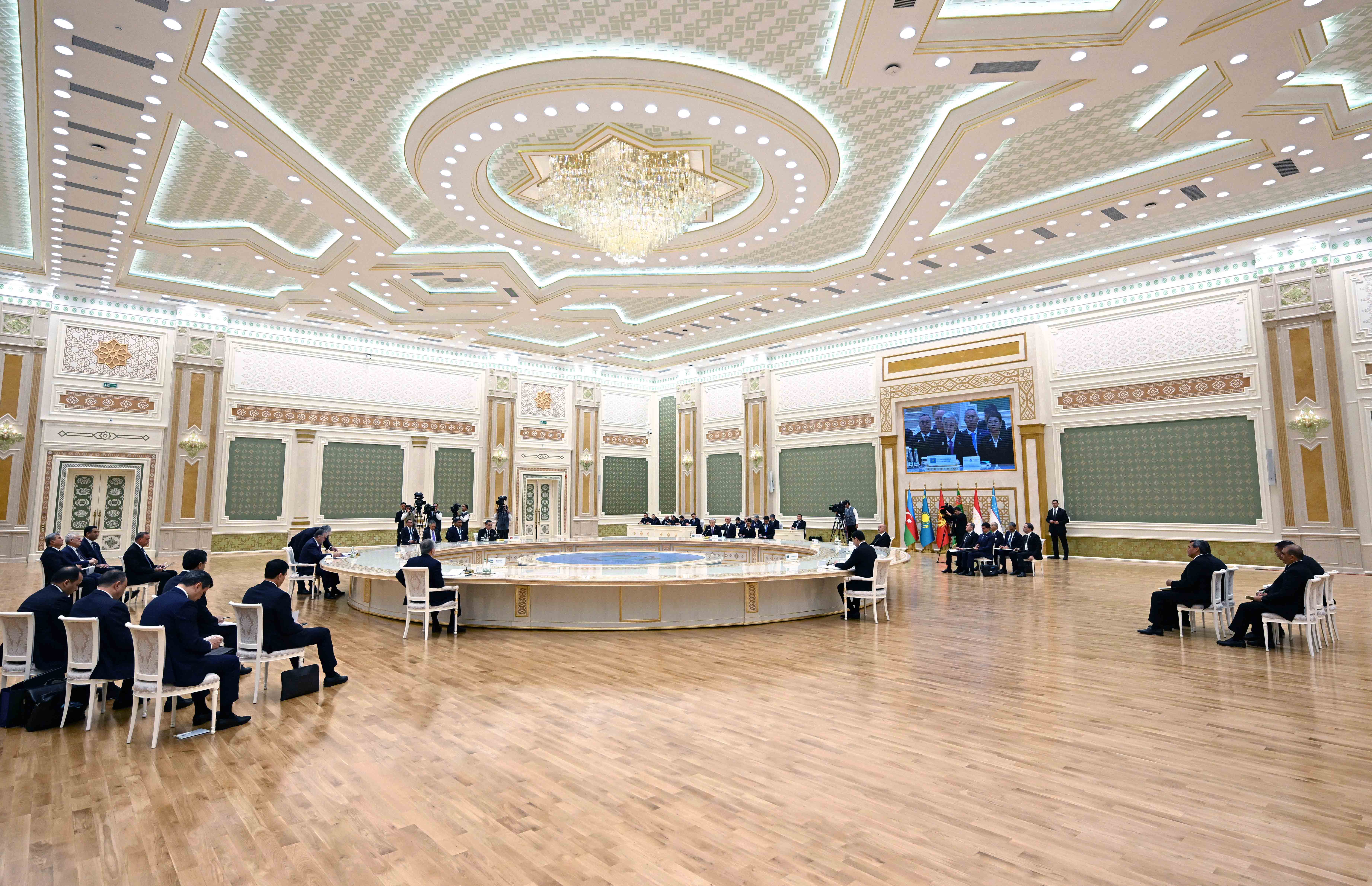
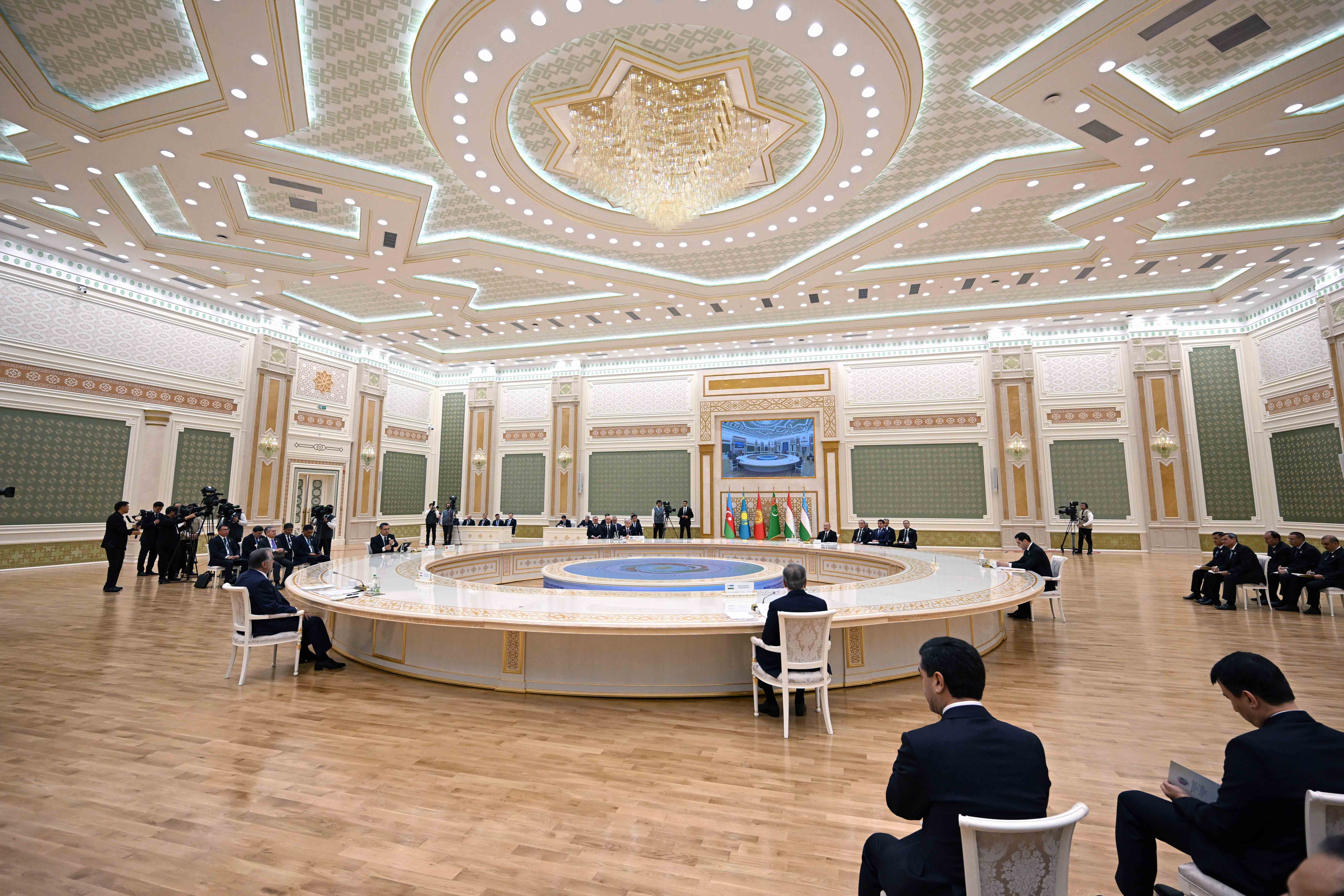
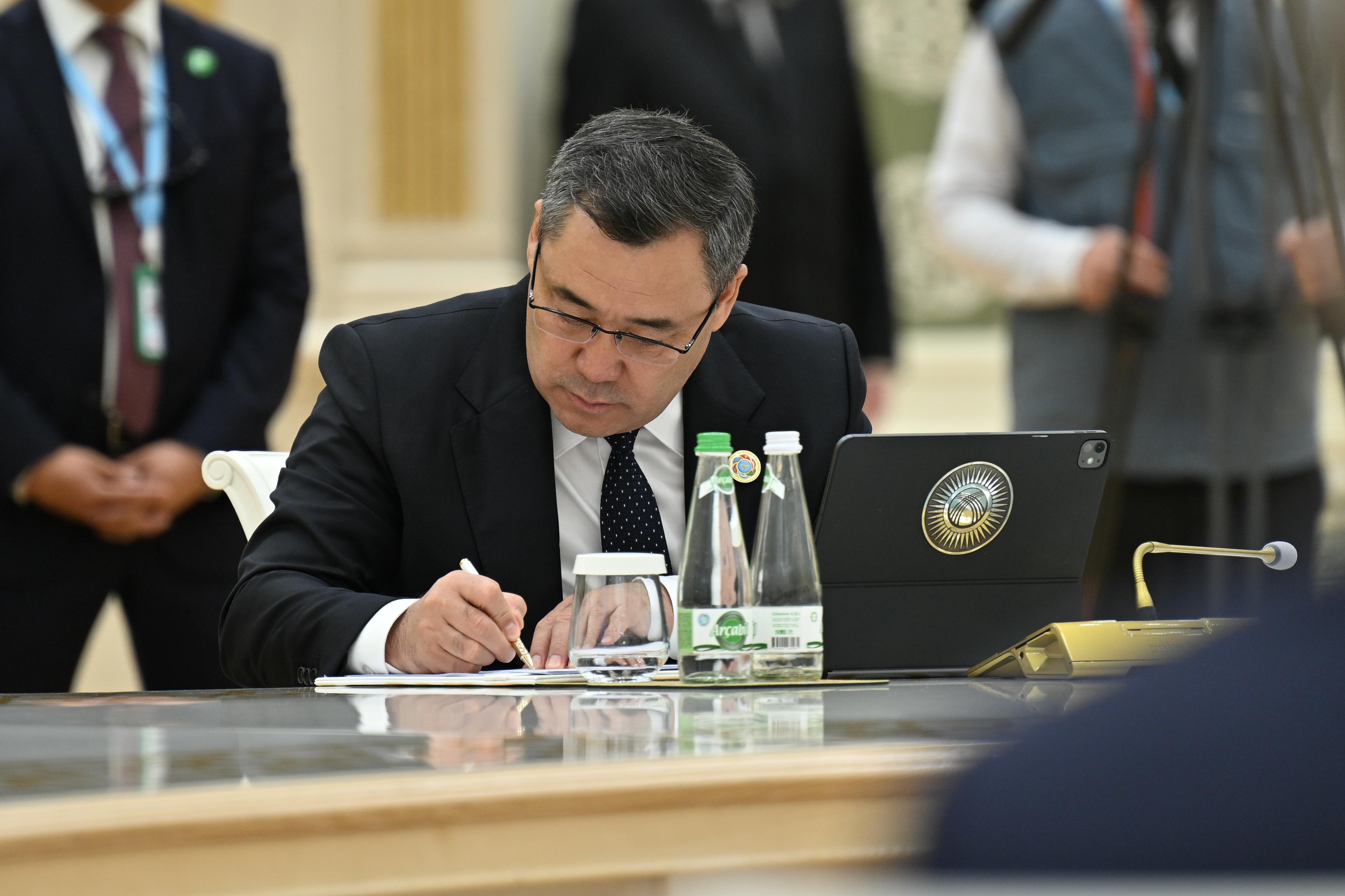
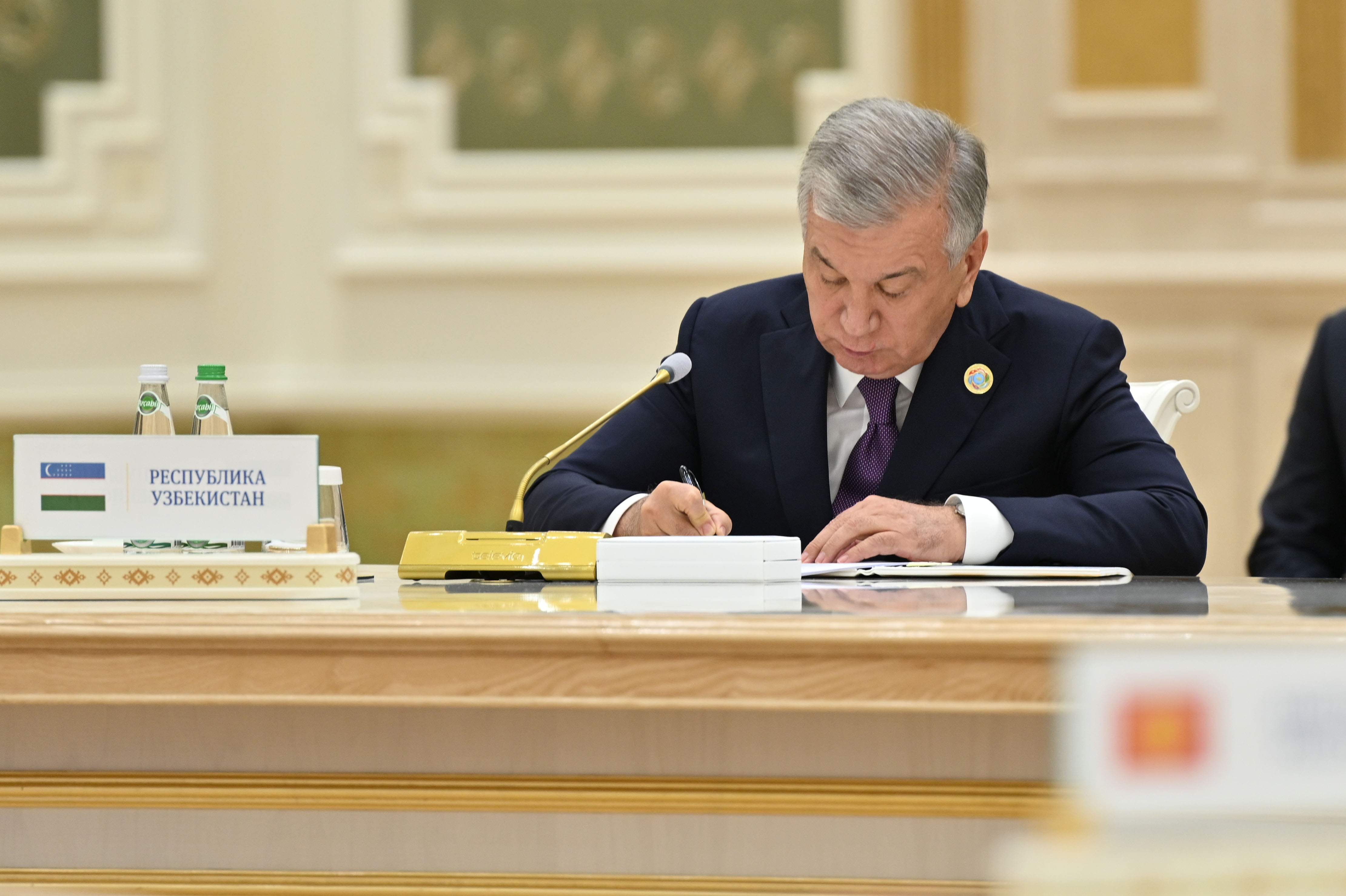
President Kassym-Jomart Tokayev Addresses the Caspian Environmental Summit
October 9, 2026

Awaza, Turkmenistan


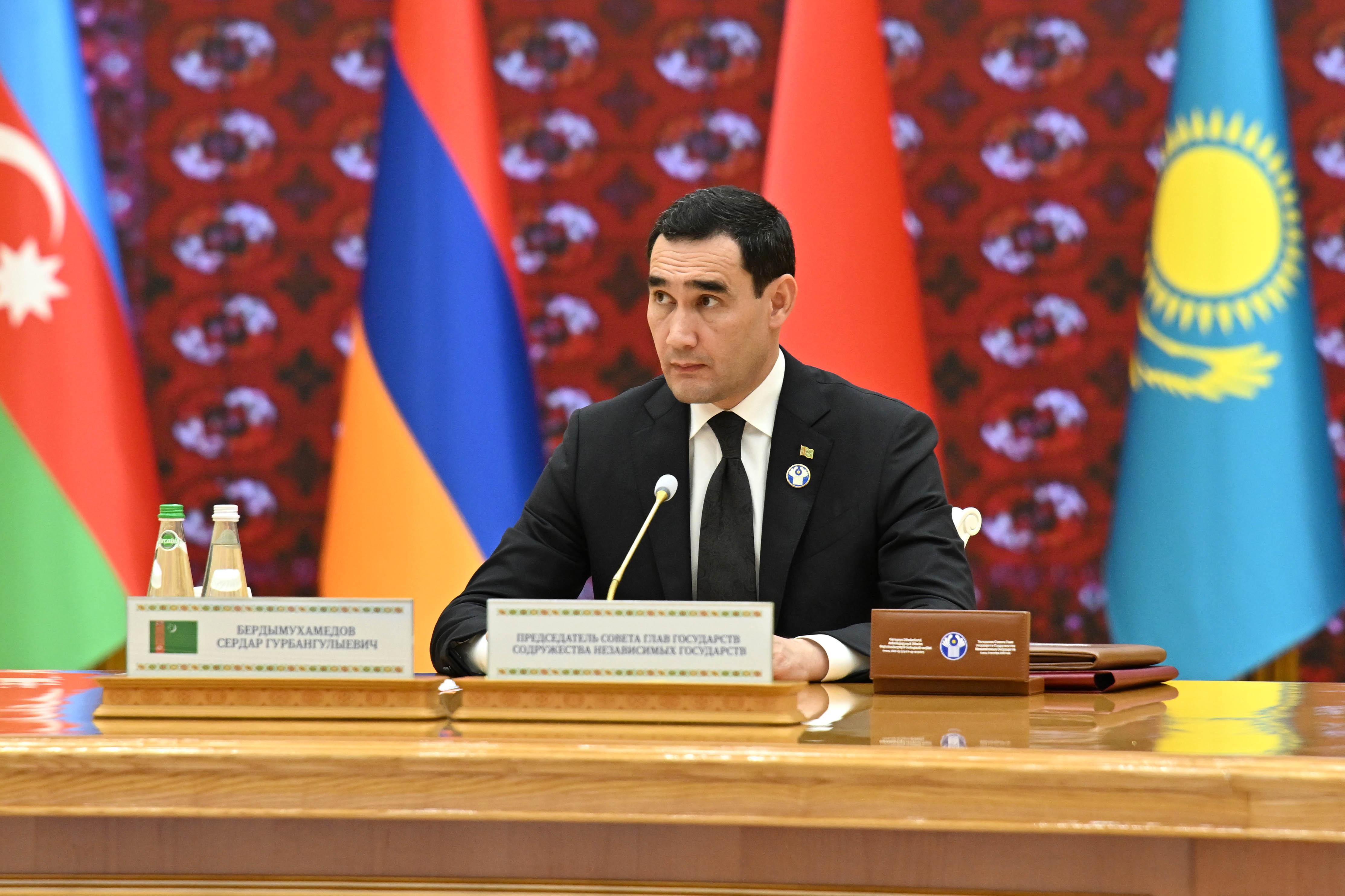
In his address, Head of State Kassym-Jomart Tokayev expressed his gratitude to President of Turkmenistan Serdar Berdimuhamedov for his timely and important initiative to convene the first Caspian Environmental Summit. He described the meeting as historic, noting that the Caspian Sea holds immense strategic importance for the peoples of the region.

“The Caspian Sea is a unique natural treasure, a source of prosperity for millions of people, and a key transport and energy hub for the entire Eurasian continent. Preserving its ecosystem therefore requires particular attention, above all from our states. I agree with President of Iran Masoud Pezeshkian that this is no longer merely an environmental crisis but in essence, an economic crisis with potentially dangerous consequences. If urgent and decisive action is not taken now, the environmental situation will deteriorate rapidly, causing irreparable damage not only to the peoples of the Caspian littoral states but also to the international community as a whole. Between 2000 and 2025, the total area of the Caspian Sea shrank by more than 16,000 square kilometres. In some areas, the shoreline has receded by tens of kilometres. Reduced inflows, rising temperatures and human-induced pressures are having an extremely adverse, indeed destructive, impact on the sea’s fragile natural system and biodiversity. The fate of the Caspian seal is a particular cause for concern: its population has declined from one million to 270,000 over the past century,” Kassym-Jomart Tokayev said.

The President of Kazakhstan stressed that the critical state of the Caspian Sea cannot be viewed in isolation from the large-scale climate changes affecting the region. According to projections, temperatures in some parts of the region could rise by as much as 5°C by the end of this century.

“This will accelerate glacier melt, exacerbate water shortages and droughts, and lead to land degradation. According to the World Bank, by 2050, nearly 2.5 million people in the region could face the risk of internal displacement due to climate-related factors. The shrinking sea poses serious threats to shipping and port infrastructure, fisheries, energy, industry and the sustainable development of coastal communities. These interconnected challenges could lead to a large-scale environmental catastrophe. Kazakhstan understands the grave consequences of such a scenario. The tragedy of the Aral Sea remains a stark reminder of the devastating results of irresponsible management of natural resources. We must under no circumstances allow such a situation to recur. Saving the Caspian Sea, once rightly described as ‘great’ and ‘wise’, is not merely our responsibility, it is a matter of honor for the statesmen of our time. This is about the legacy we will leave to future generations. The decisions we make today will largely determine the Caspian Sea that our children and grandchildren will inherit,” the Head of State stated.

Kassym-Jomart Tokayev noted that Kazakhstan attaches great importance to addressing environmental challenges at both the international and national levels.

“We believe it is essential to promote respect for nature and its intrinsic value. It is no coincidence that these principles are reflected in our new Constitution, which obliges all citizens to treat nature and its resources with care and makes the state responsible for protecting the environment in ways that safeguard human life and health. Our nationwide Taza Qazaqstan initiative has brought together nearly one million volunteers and become an effective driver of a new environmental culture. We are guided by what may seem a simple but fundamental principle: economic development and environmental protection are not contradictory; on the contrary, they complement one another,” the President noted.
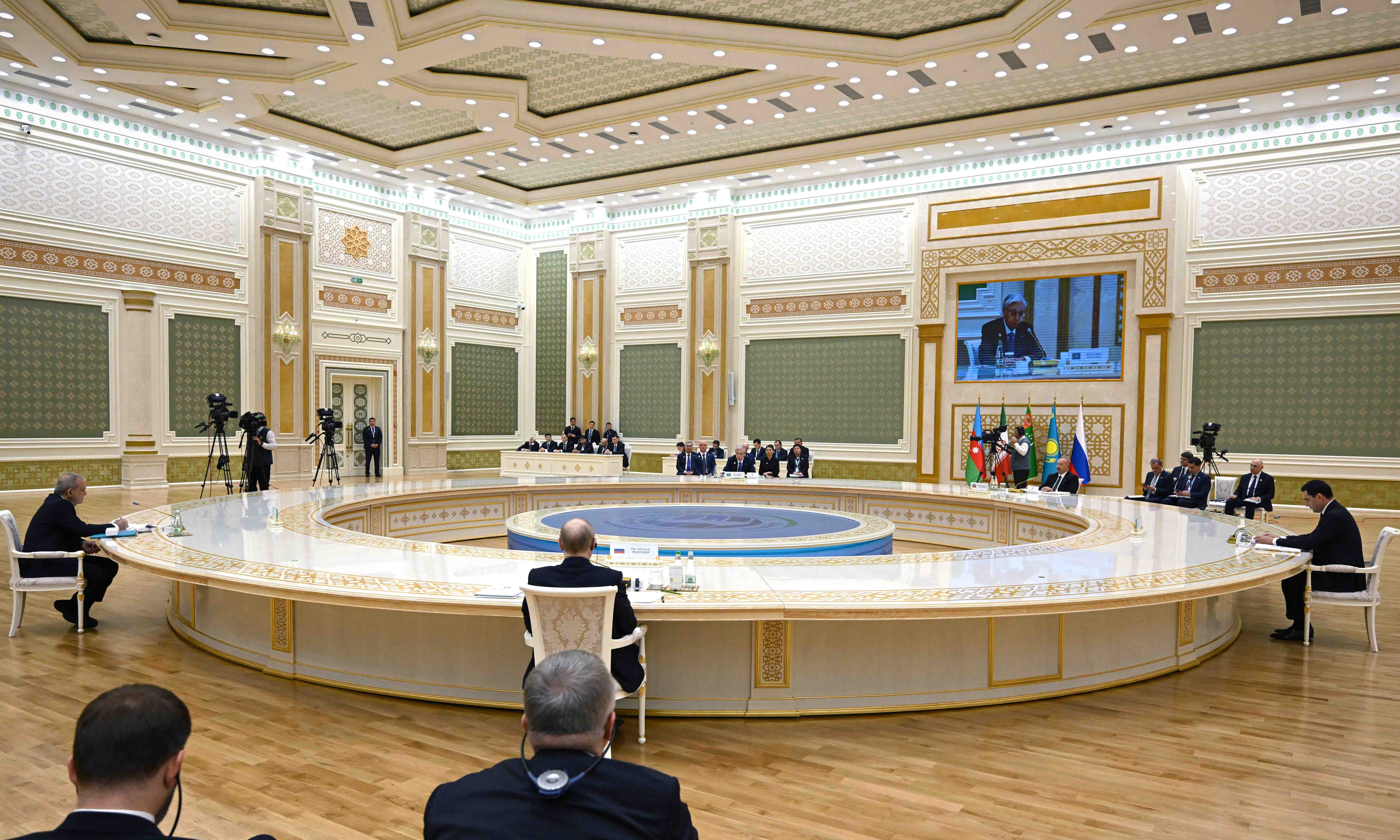
The Head of State cited inspiring examples of nature being restored in places where the damage had once seemed irreversible.

“We have managed to increase the area of the Northern Aral Sea by 36%. As a result, water quality has improved, fish stocks have recovered, and economic life in the surrounding areas is gradually being revitalized. Biodiversity conservation is a key priority of our environmental policy. Consistent efforts have helped restore saiga populations. Snow leopard populations are being sustained, and rare animal species are returning to their natural habitats. We believe this positive experience can also be applied to preserving the unique ecosystem of the Caspian Sea. We are implementing a special program to reintroduce the Turanian tiger. In this regard, I would like to express my gratitude to the Government of the Russian Federation and personally to President Vladimir Putin for providing several Amur tigers, a unique species that is now adapting successfully to our environment,” Kassym-Jomart Tokayev emphasized.

The President noted that a solid international legal and institutional framework for Caspian cooperation was already in place.

“The Tehran Convention is of particular importance. This year marks the 20th anniversary of its entry into force. The United Nations Environment Programme is also making a significant contribution to environmental protection efforts. Kazakhstan supports Azerbaijan’s proposal to establish an Intergovernmental Commission on the Decline of the Caspian Sea Water Level at the level of deputy prime ministers. The Caspian littoral states have endorsed Kazakhstan’s proposal to develop an Interstate Program for the Conservation of the Caspian Sea’s Water Resources. We highly appreciate the efforts of all our international partners and, of course, our friends around the Caspian Sea – the littoral states. Nevertheless, the measures taken so far remain insufficient. The time has therefore come to move towards coordinated action to mitigate the effects of the declining water level and help our economies and ecosystems adapt to the changes underway,” the Head of State said.

Kassym-Jomart Tokayev proposed that the Summit participants focus on several key priorities. He stressed the need for a coordinated scientific approach to identifying and addressing environmental threats in a timely manner.

“The Caspian littoral states possess a substantial body of data, scientific research and observations. To maximize their effectiveness, however, these resources must operate as part of an integrated system. In 2024, Kazakhstan established the Research Institute for the Caspian Sea. Its capabilities could be harnessed jointly with research centres across all Caspian littoral states to conduct comprehensive studies and develop common adaptation scenarios,” the President of Kazakhstan noted.

The Head of State also highlighted the importance of introducing modern technologies into the management of the Caspian ecosystem.

“We propose exploring the possibility of establishing a shared digital platform to process and analyze data on the state of water resources, changes in the shoreline, biodiversity, pollution, river flows and other key parameters. Satellite technologies, artificial intelligence and advanced forecasting systems would enable real-time monitoring and help identify and address environmental risks in a timely manner. Such a platform could serve as a common digital foundation for the work of our scientists, relevant government agencies and international organizations,” Kassym-Jomart Tokayev said.

The President stressed the importance of taking additional measures to preserve the Caspian Sea’s biodiversity. In his view, the decline in water levels, changes to natural habitats, pollution and human-induced pressures make it essential to strengthen joint efforts to restore spawning grounds, protect delta ecosystems and safeguard particularly vulnerable species of flora and fauna.

“The experience of the Northern Aral Sea demonstrates that combining engineering solutions with a science-based, nature-oriented approach can effectively address water management and environmental challenges, enhance the resilience of coastal areas and mitigate the consequences of climate change. Greater attention should also be paid to combating illegal fishing, poaching and the illicit trade in biological resources. This problem can only be resolved through collective efforts. We need to intensify information-sharing between law enforcement and environmental protection agencies, conduct joint operations and make use of digital monitoring tools. Kazakhstan is ready to contribute to this common effort by drawing on the capabilities of the state nature reserve established to protect the Caspian seal and its natural habitat. Preserving ecological corridors also deserves particular attention, as this would minimize human-induced impacts on areas that are crucial to the seals’ life cycle. After all, the Caspian Sea is inconceivable without its seal population. Kazakhstan is establishing an International Biodiversity Conservation Fund to bring together the global community’s efforts to preserve our shared natural heritage. One of the Fund’s key areas of activity will be the protection of rare species and the Caspian Sea’s unique ecosystems. I invite all interested parties to take an active part in the Fund’s work, with a focus on implementing concrete joint projects,” the Head of State said.

Kassym-Jomart Tokayev called for international efforts to be consolidated to preserve the Caspian Sea and establish a coordinated portfolio of the most promising projects.

“These projects should cover both the sea itself and the river basins that feed into it. We must restore water flows, river deltas and wetlands, and rehabilitate hydraulic infrastructure. Grants, concessional lending and other channels of climate finance can and should support these efforts,” the President of Kazakhstan said.
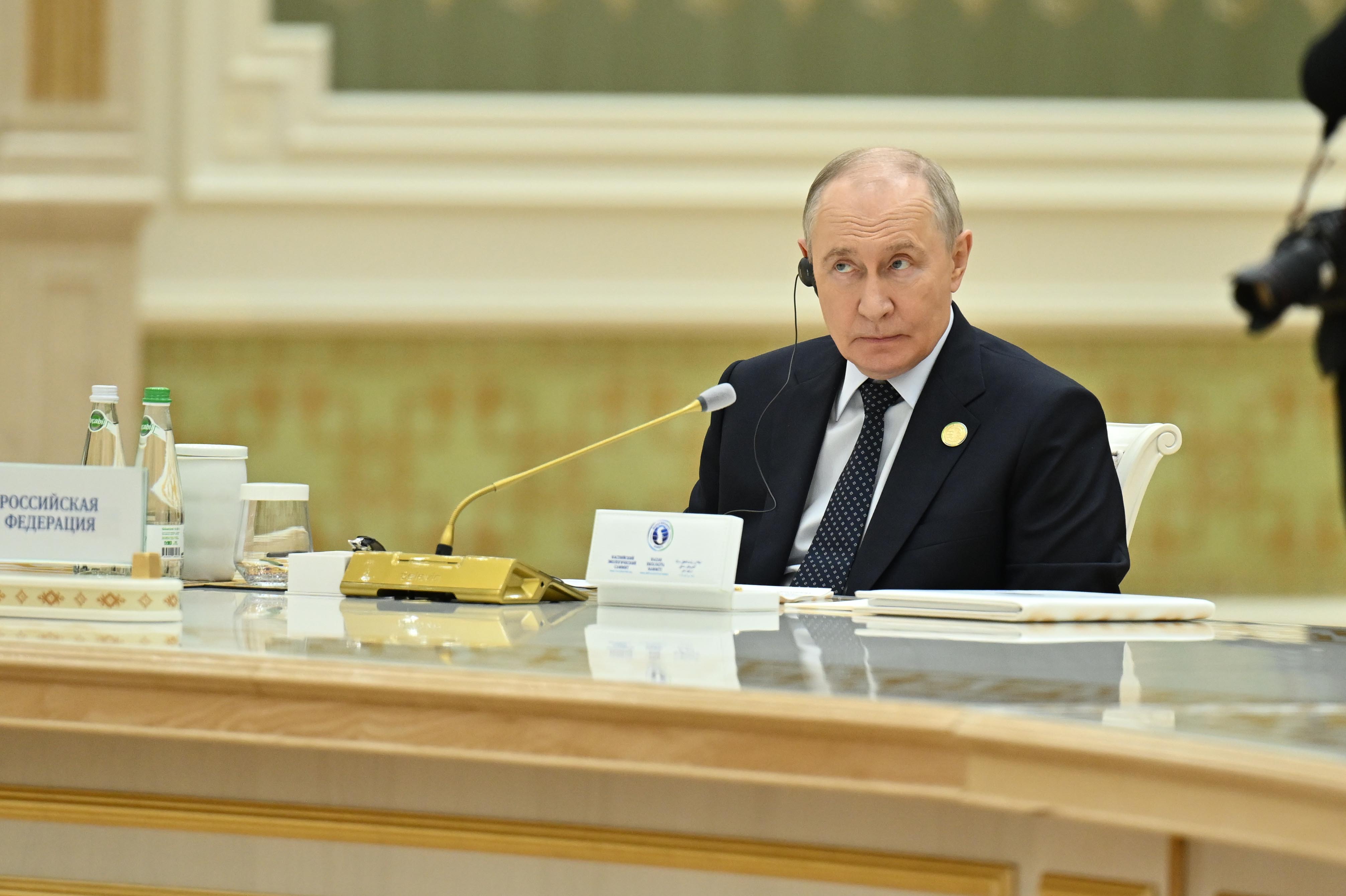
The Head of State also emphasized the fundamental importance of completing the establishment of a permanent Secretariat of the Tehran Convention.

“We need an effective mechanism to ensure continuity in decision-making, coordinate activities and monitor the implementation of all agreements reached at the highest level. Kazakhstan will continue its efforts to establish an International Water Organization under the auspices of the United Nations. Our shared objective is to improve the effectiveness of global water governance while giving priority attention to the environmental state of the Caspian Sea. Water security must be given its rightful place on the international agenda, alongside food, energy and climate security,” Kassym-Jomart Tokayev stated.

As the President emphasized, the Caspian Sea is a single ecosystem that recognizes no state borders. Common success is therefore impossible without coordinated action within international organizations and on financial markets.

“All the necessary conditions for productive cooperation are in place: political dialogue, an international legal framework, specialized institutions and considerable scientific expertise. I hope that, through our joint efforts, we will preserve the Caspian Sea as a source of life, prosperity and a shared future for our peoples,” the Head of State concluded.

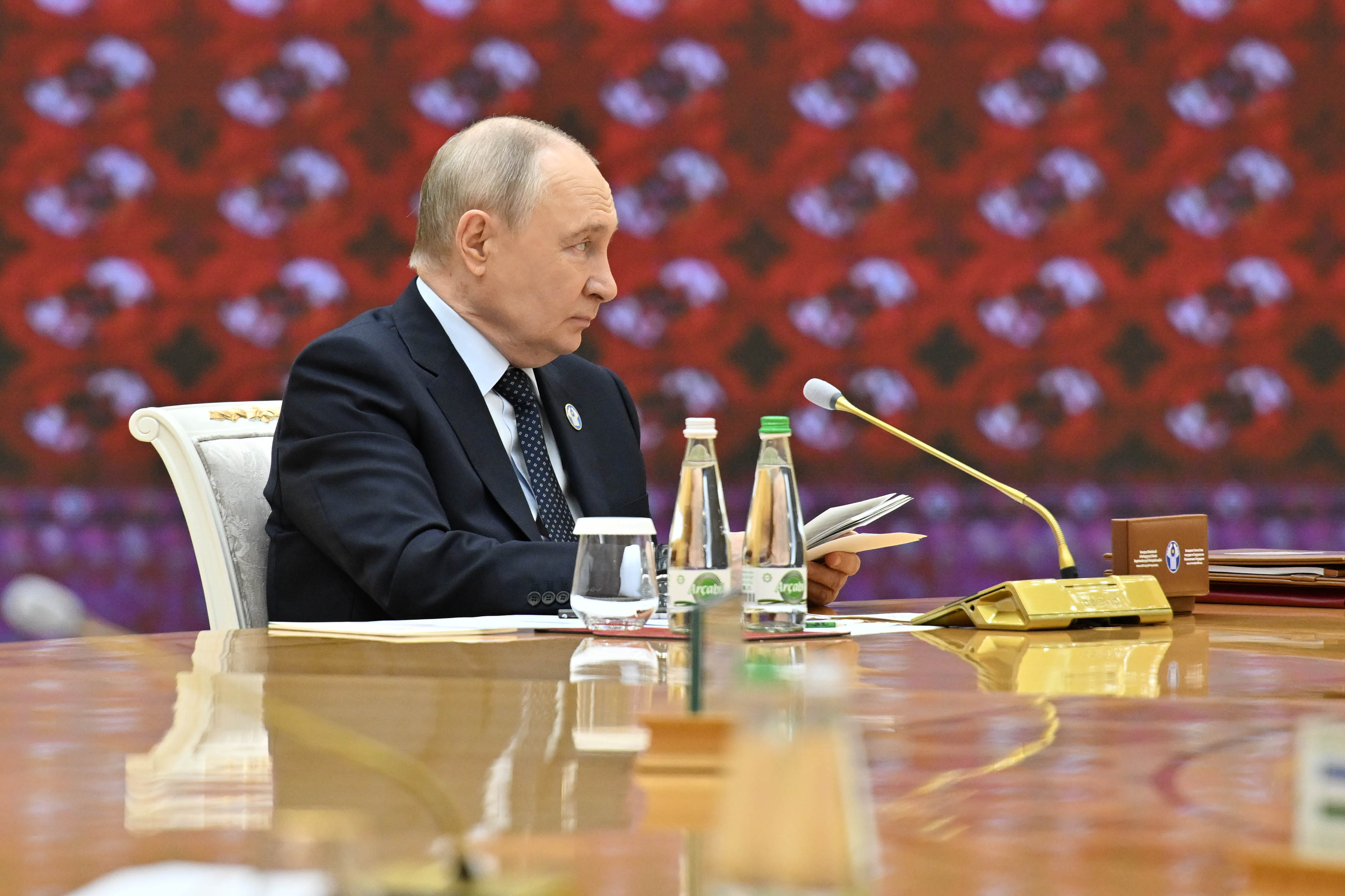
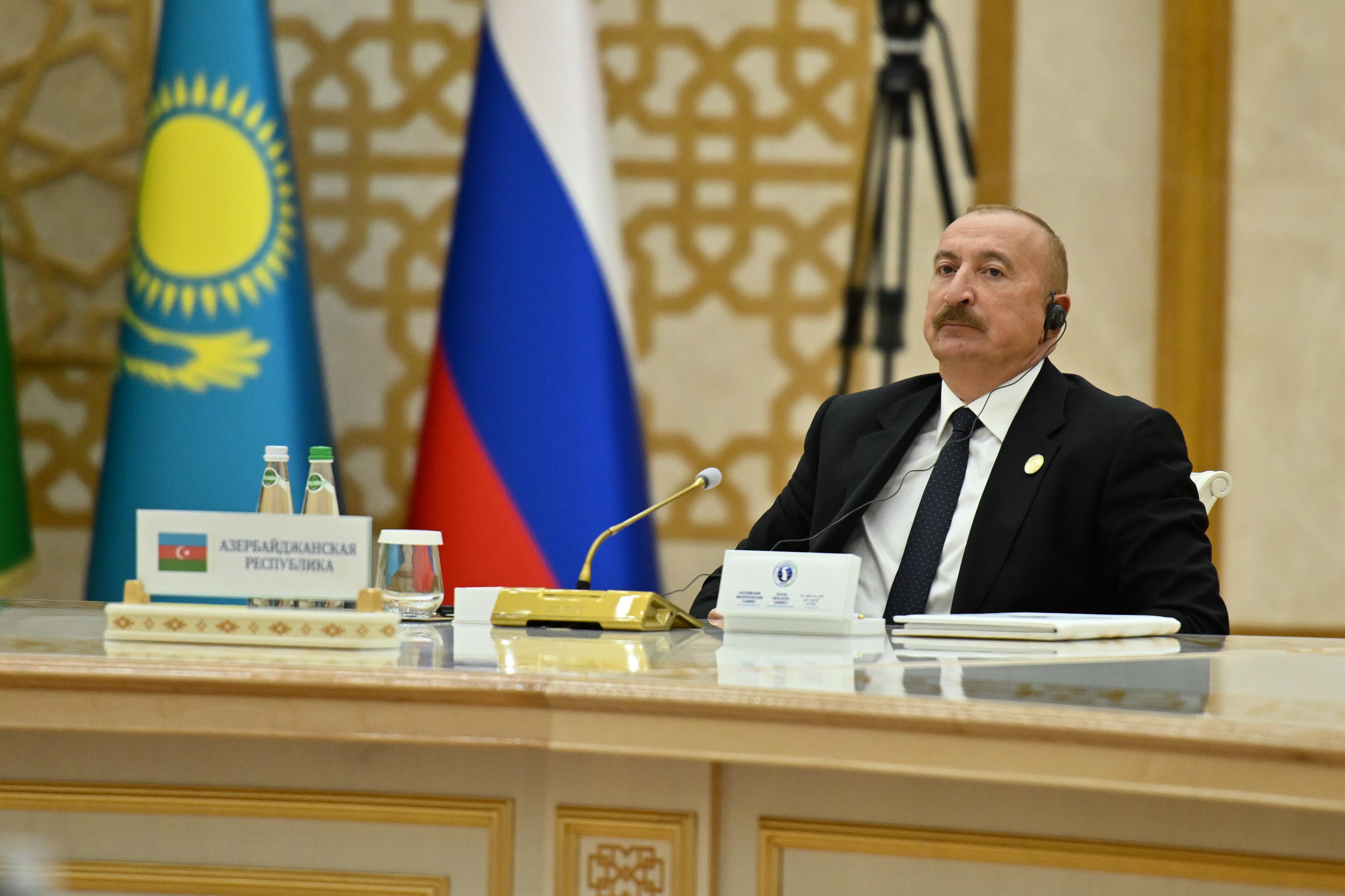
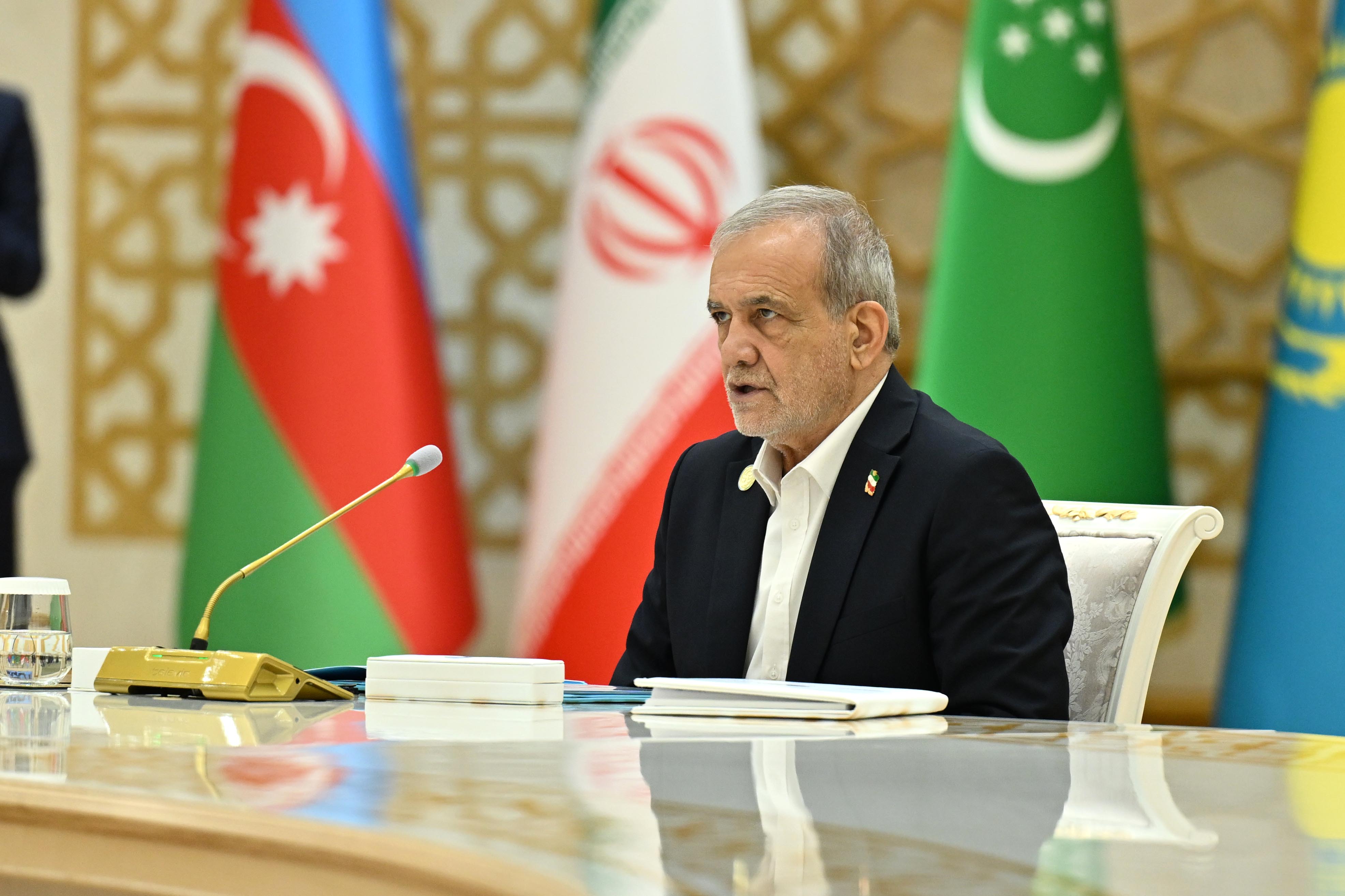
The Summit also heard addresses by President of Turkmenistan Serdar Berdimuhamedov, President of Azerbaijan Ilham Aliyev, President of Iran Masoud Pezeshkian and President of Russia Vladimir Putin.
12 октября 2026
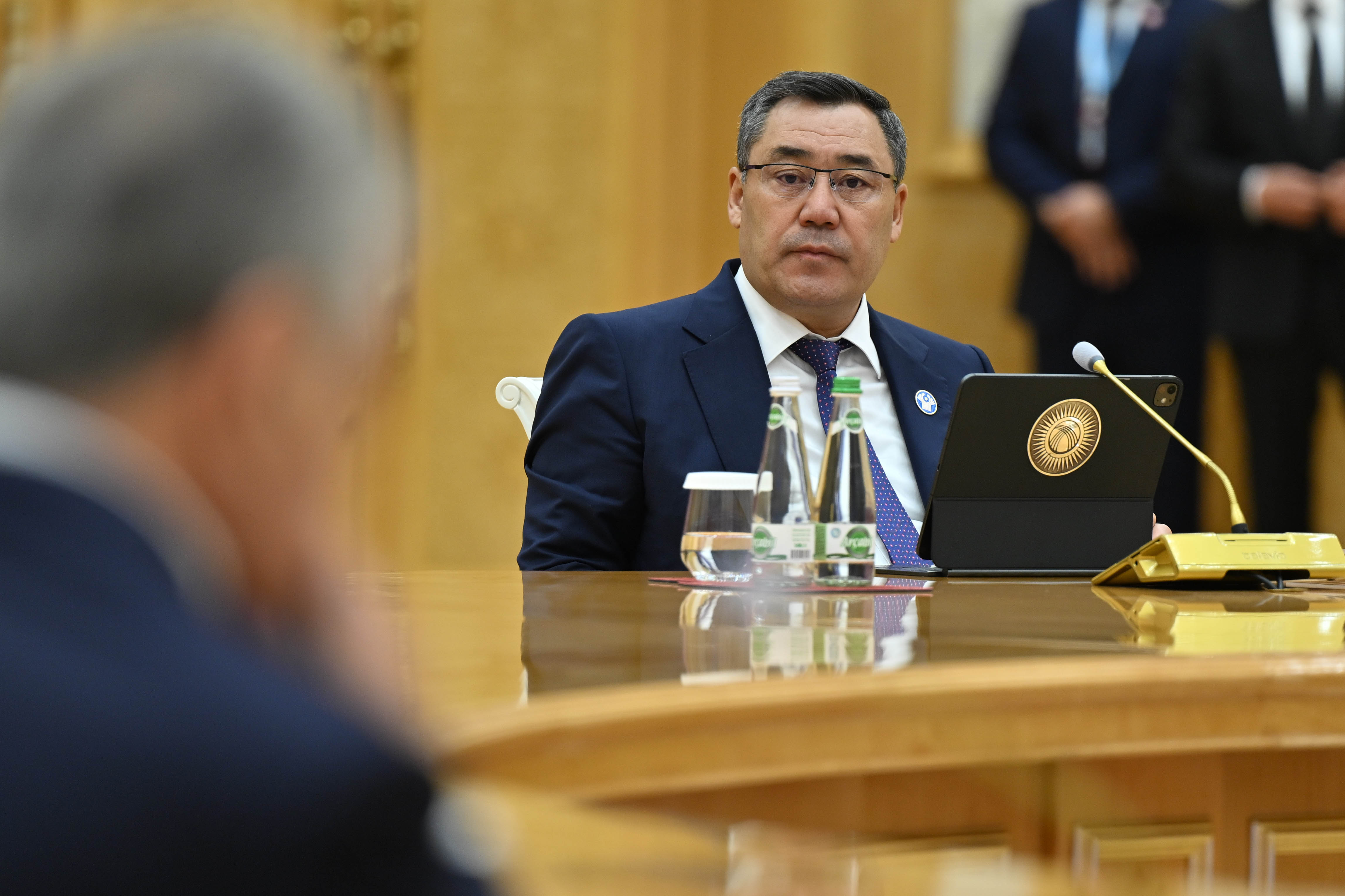
President of Kazakhstan Addresses Meeting of the Council of Heads of State of the CIS
October 9, 2026

Awaza, Turkmenistan


Addressing the participants of the meeting, President of Kazakhstan Kassym-Jomart Tokayev expressed his gratitude to President of Turkmenistan Serdar Berdimuhamedov for the meticulous organization of the summit and the traditionally warm hospitality.

“Kazakhstan highly appreciates the results of Turkmenistan’s chairmanship and its significant contribution to advancing the common CIS agenda. In this regard, I would like to express my gratitude to you, dear colleague, for this highly professional work. The current summit is being held in the year marking the 35th anniversary of the Commonwealth of Independent States. As you know, Kazakhstan was among the founding members of the Organization and takes rightful pride in its constructive role. The signing of the Alma-Ata Declaration in 1991 was truly a watershed moment in the history of our states. The establishment of the CIS helped avert an all-out conflict in the so-called post-Soviet space. It would be no exaggeration to say that the consolidating mission of the CIS was particularly evident as our countries gained independence. Amid intensifying centrifugal processes, we preserved our historical ties and established an entirely new framework for interstate cooperation. Over the years, the Commonwealth has established itself as an effective multilateral mechanism for strengthening trust and cooperation and has gained broad international recognition,” Kassym-Jomart Tokayev noted.
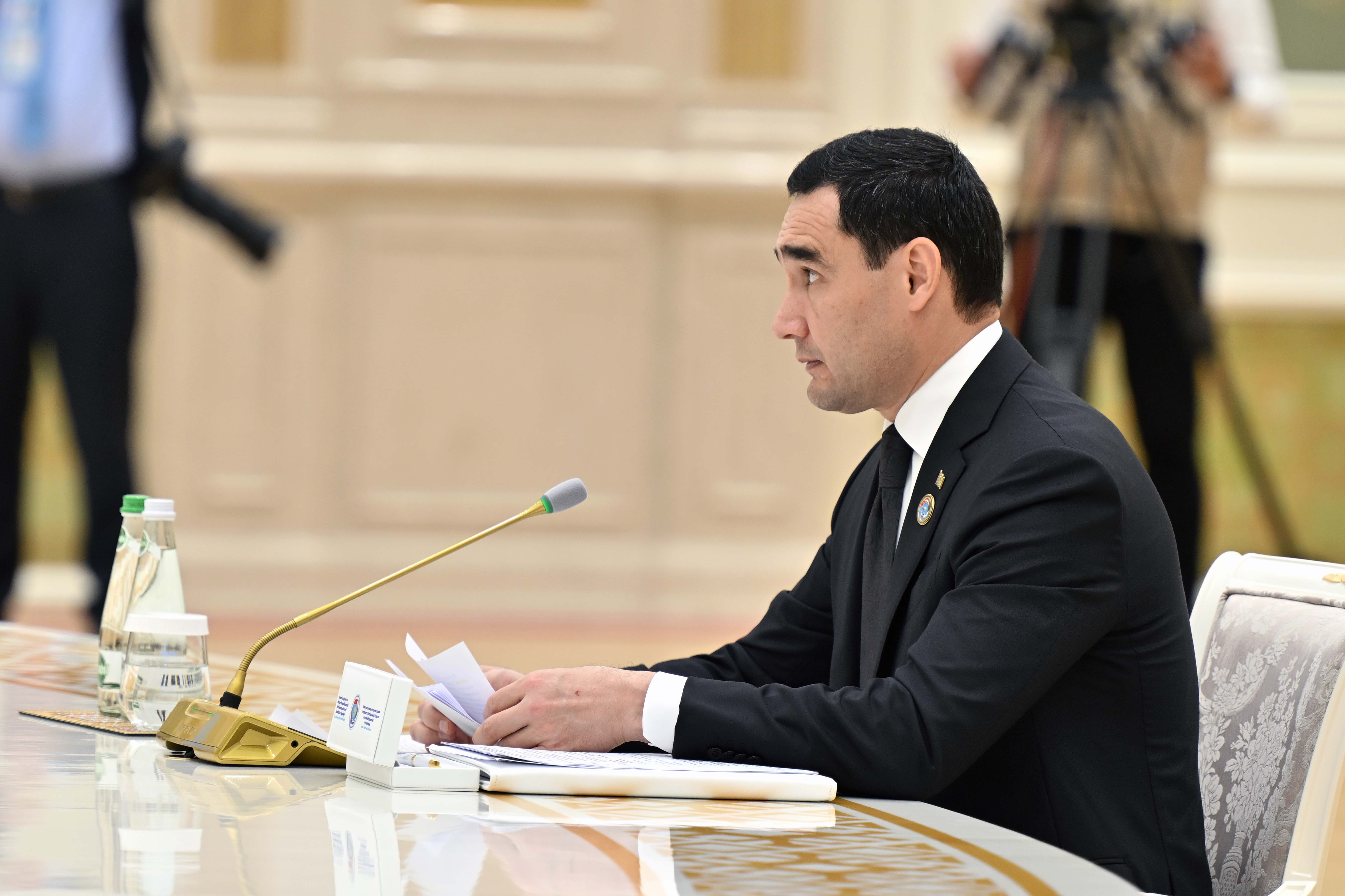
The President emphasized that the CIS’s greatest asset is the friendship among our peoples and our shared cultural and spiritual heritage.

“Before our eyes, a new architecture of international relations is taking shape, the system of global economic ties is being disrupted, technological competition is intensifying, and uncertainty and unpredictability are growing. Against this backdrop, direct and trust-based dialogue, which enables us to find mutually agreed solutions that take the interests of every state into account, is becoming critically important. I am convinced that this explains the enduring relevance of the Commonwealth. In this anniversary year, I propose that we revisit the principles enshrined in the Declaration, reflect on the path we have taken and identify our priorities for the future. In November, an international conference dedicated to the 35th anniversary of this historic document will be held in Almaty under the auspices of the Kazakhstan Institute for Strategic Studies (KazISS). We invite scholars, legal experts, historians and specialists from CIS member states to take an active part in the conference,” he said.

As Kassym-Jomart Tokayev noted, our common task at this new historical juncture is to strengthen the Commonwealth’s capacity as a respected international organization and adapt it to new geopolitical realities. The President then outlined key areas of cooperation. In his view, the first priority is to establish the CIS’s long-term development priorities.

“The current Concept of Further Development of the Commonwealth was adopted back in 2007 and updated six years ago. The programs and documents subsequently adopted are sector-specific and often lack coordination with one another. I believe it is possible to combine them into a single, integrated system. We, the CIS member states, need to answer the question of what we want the Commonwealth to become in the long term and what place it should occupy in the evolving geopolitical architecture of Eurasia. I therefore propose that the CIS Executive Committee, together with the governments of our countries, begin developing a CIS Development Strategy through 2035. This is a medium-term horizon. It is important to focus on priorities of fundamental importance to our states: the economy, energy, infrastructure, advanced technologies and human capital. This approach will help ensure that our efforts are coordinated and consistent as we pursue sustainable progress,” the President said.

According to the Head of State, deepening economic cooperation and enhancing industrial and technological partnerships are particularly important. He underscored that the CIS markets had traditionally been highly significant for Kazakhstan, accounting for more than a quarter of the country’s foreign trade turnover.

“Last year, trade turnover amounted to approximately 40 billion US dollars, and in the first seven months of this year it increased by 10%. We have also accumulated considerable experience in establishing joint manufacturing facilities. For example, Kazakhstan’s portfolio of industrial projects involving the Russian Federation includes 178 projects and initiatives with a total value of 61 billion dollars, of which 124 have already been implemented. Work is under way on 80 projects with Uzbekistan, worth approximately 2 billion dollars. With Belarus, we have established joint production facilities for specialized and agricultural machinery,” Kassym-Jomart Tokayev noted.

The President went on to inform the summit participants that at the same time Kazakhstan was developing a network of cross-border industrial and trade centres along its borders with Russia, Uzbekistan and Kyrgyzstan. A legal framework has been established to strengthen industrial and trade cooperation.

“Modern infrastructure for developing business ties and launching new production facilities is taking shape across much of the CIS space. The task now is to unlock this existing potential. In other words, this means eliminating unjustified, artificially constructed barriers to mutual trade, expanding the services market and creating favorable conditions for reciprocal investment. A logical continuation of these efforts should be the implementation of major joint initiatives under the auspices of the Commonwealth. In this regard, I propose establishing a Portfolio of Flagship Industrial and Technological Projects of the CIS for 2027-2030. In my view, we should focus on producing goods with high added value, which would create new drivers of growth for our economies. At the same time, recognizing the complexity of this task, Kazakhstan will maintain a pragmatic and realistic approach, making effective use of its existing advantages and achievements in the economic sphere. Development institutions, financial organizations and the business community should be involved in this work,” Kassym-Jomart Tokayev said.

The President also identified the development of transport connectivity and the strengthening of transit potential as another promising area for expanding cooperation.

“For Kazakhstan, the key corridors are North–South, Western China–Western Europe, and the Trans-Caspian route. Their seamless integration would significantly enhance the efficiency of the entire continental transport system. This objective is supported by the Concept for the Integration of Major Transport Corridors Passing through the Territories of the CIS Member States, adopted in May this year at our country’s initiative. Kazakhstan is making a tangible contribution to implementing this Concept. In August, construction began on the new Aral–Caspian highway, with a total length of more than 1,500 kilometres. Once this strategic project is completed, the road route from China to Europe will be shortened by approximately 1,000 kilometres, while transit cargo delivery times will be reduced by up to three days. Work is also continuing on other major projects. So-called ‘soft infrastructure’ is playing an increasingly important role, including the digitalization of transport, electronic document management and the harmonization of border procedures. A key priority for us is to establish a ‘single digital corridor’. At our suggestion, electronic exchanges of transport permits have been introduced with Uzbekistan and Kyrgyzstan. Similar work is under way with Russia and Belarus. In May this year, the first cross-border unmanned cargo flights were launched jointly with Russia. I believe it would be practically beneficial to scale up the most effective solutions across the CIS,” the Head of State noted.

The President emphasized the growing importance of digitalization and the use of artificial intelligence and superintelligence. He believes that the ability to master emerging technologies and develop homegrown solutions is a key factor in the competitiveness of CIS economies. Kassym-Jomart Tokayev proposed establishing a mechanism for exchanging experience and best practices in AI strategies, legislation and government support measures, involving research centres, universities, companies and startups. He also proposed holding a dedicated forum on artificial intelligence in Astana in the first quarter of 2027 under the auspices CIS, bringing together specialists in the field.

According to the Head of State, strengthening cultural and humanitarian ties is also essential, as close people-to-people contacts, mutual trust, a shared mentality and the Russian language underpin the distinctive character of the CIS.

“At Kazakhstan’s suggestion, the CIS Heads of State adopted a Statement on the Development of Cooperation in the Field of Culture. The CIS Volunteer Forum was also established and held for the first time in Astana in August this year. I would also like to inform you that the very concept of volunteerism, or a policy of good deeds, is enshrined in our new Constitution. Volunteers have thus been granted constitutional status, with all the positive implications that this entails. I thank my colleagues and the governments of CIS member states for their consistent support for our initiatives. It is also important to recognize the enormous significance of the Russian language in relations between our countries. It promotes mutual understanding and expands educational, scientific and people-to-people contacts. This is an indisputable fact. I therefore ask my esteemed colleagues to support the work of the International Organization for the Russian Language. This organization has promising prospects. I am confident in it given that around 300 million people worldwide have varying degrees of proficiency in Russian. At the same time, it is essential to preserve and respect the linguistic and cultural diversity of CIS countries, show due regard for the history, traditions and cultures of all peoples, and seek more effective forms of humanitarian cooperation to bring our peoples closer together. It is particularly important to foster young people’s interest in reading. Reading is the foundation of education, sound thinking and well-rounded development, all of which are critically important in an environment of ‘internet dictatorship’ that has given rise to such phenomena as the TikTok mentality and corresponding behavioral patterns among young people. Kazakhstan has established a National Book Day and is implementing the ‘100 Read Books’ initiative. I propose taking this idea further by establishing a ‘CIS Golden Library Collection, comprising outstanding works of literature of our peoples. The collection could be housed in the Presidential Library, which will be completed in Astana in mid-2027. The project could include professionally translated works and the creation of an open-access digital library. I am convinced that by studying the history, culture, and spiritual heritage of the Commonwealth’s peoples through the promotion of the finest literary works, our youth will be able to better understand one another and, most importantly, stand together in this unstable world,” proposed Kassym-Jomart Tokayev.

The President also underscored the need to expand the Commonwealth’s international engagement. In particular, he recalled that the CIS Observer and CIS Partner frameworks had been established at Kazakhstan’s initiative.

“Building on this approach, the ‘CIS Plus’ format has been created. I believe the next step should be to convene the first ‘CIS Plus’ Summit. Such a high-level meeting would broaden the geographical scope of cooperation and enhance the Organization’s role as an open and relevant platform for engagement across Eurasia. Kazakhstan intends to continue working together in a constructive spirit on the Concept of Eurasian Security and Cooperation, bearing in mind the document’s positive and non-confrontational nature,” he said.

In conclusion, the Head of State emphasized that for 35 years, the Commonwealth had become an integral part of the lives of our states and peoples, and welcomed Uzbekistan’s upcoming chairmanship of the CIS in 2027.

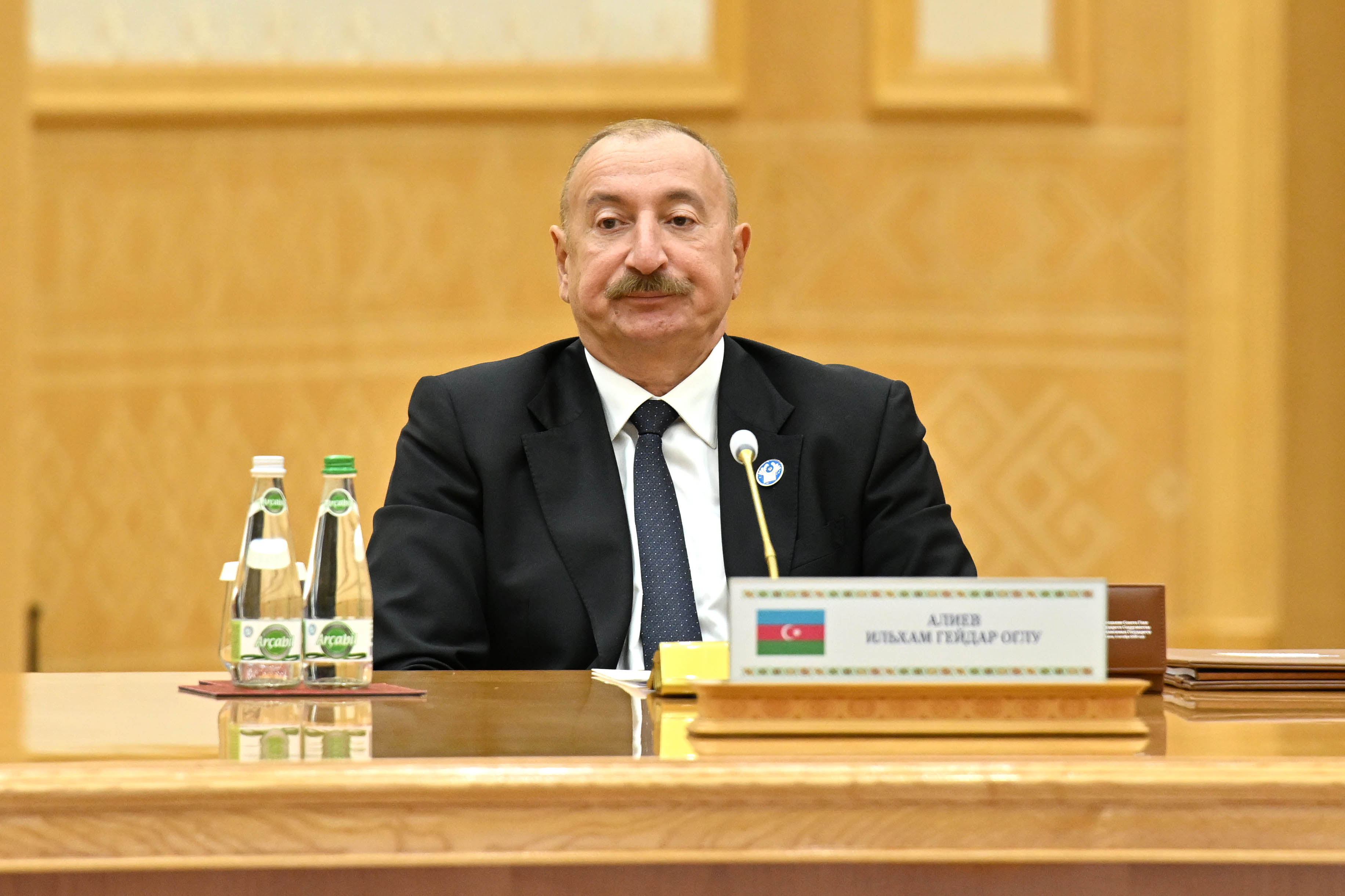
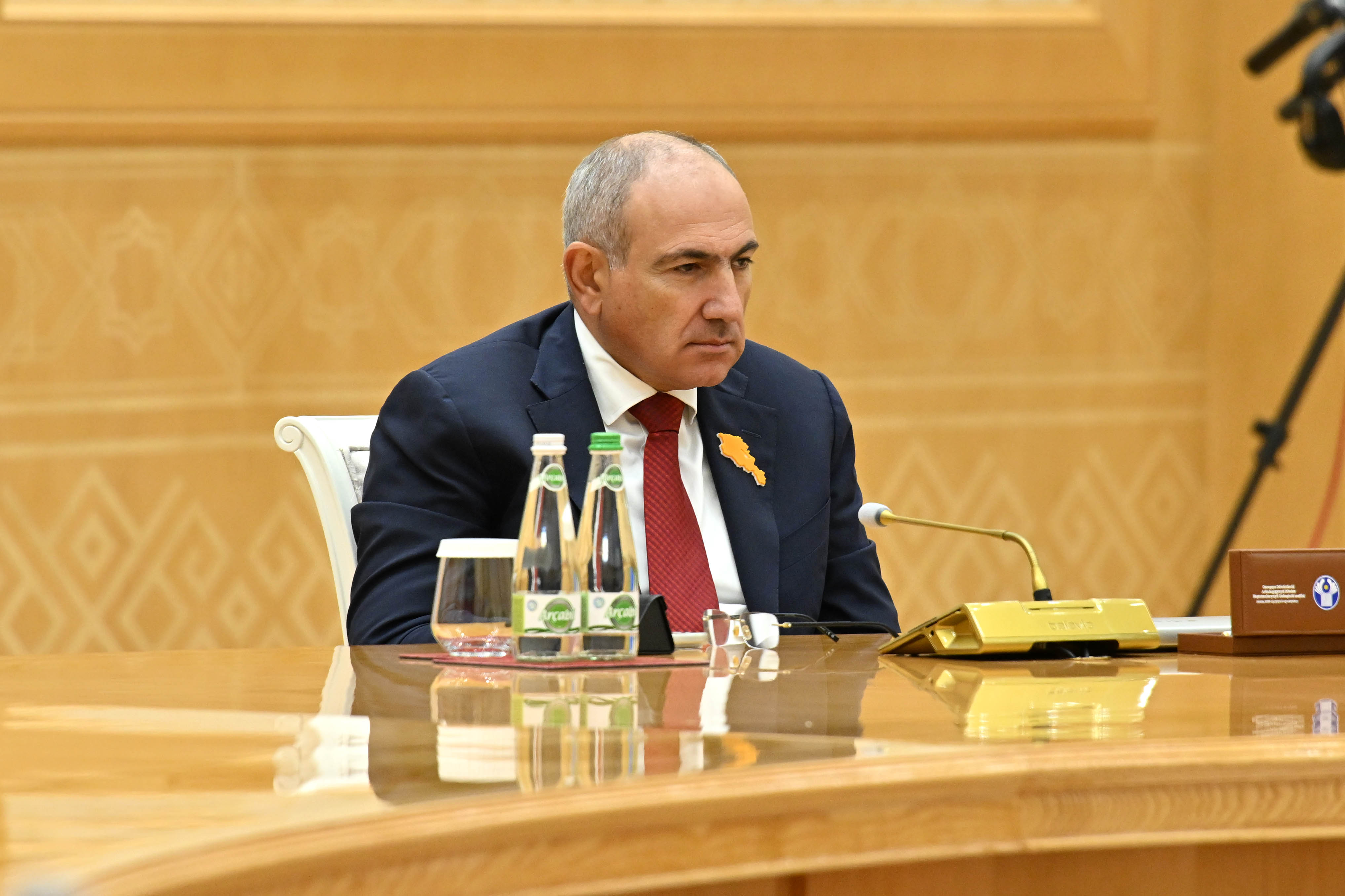
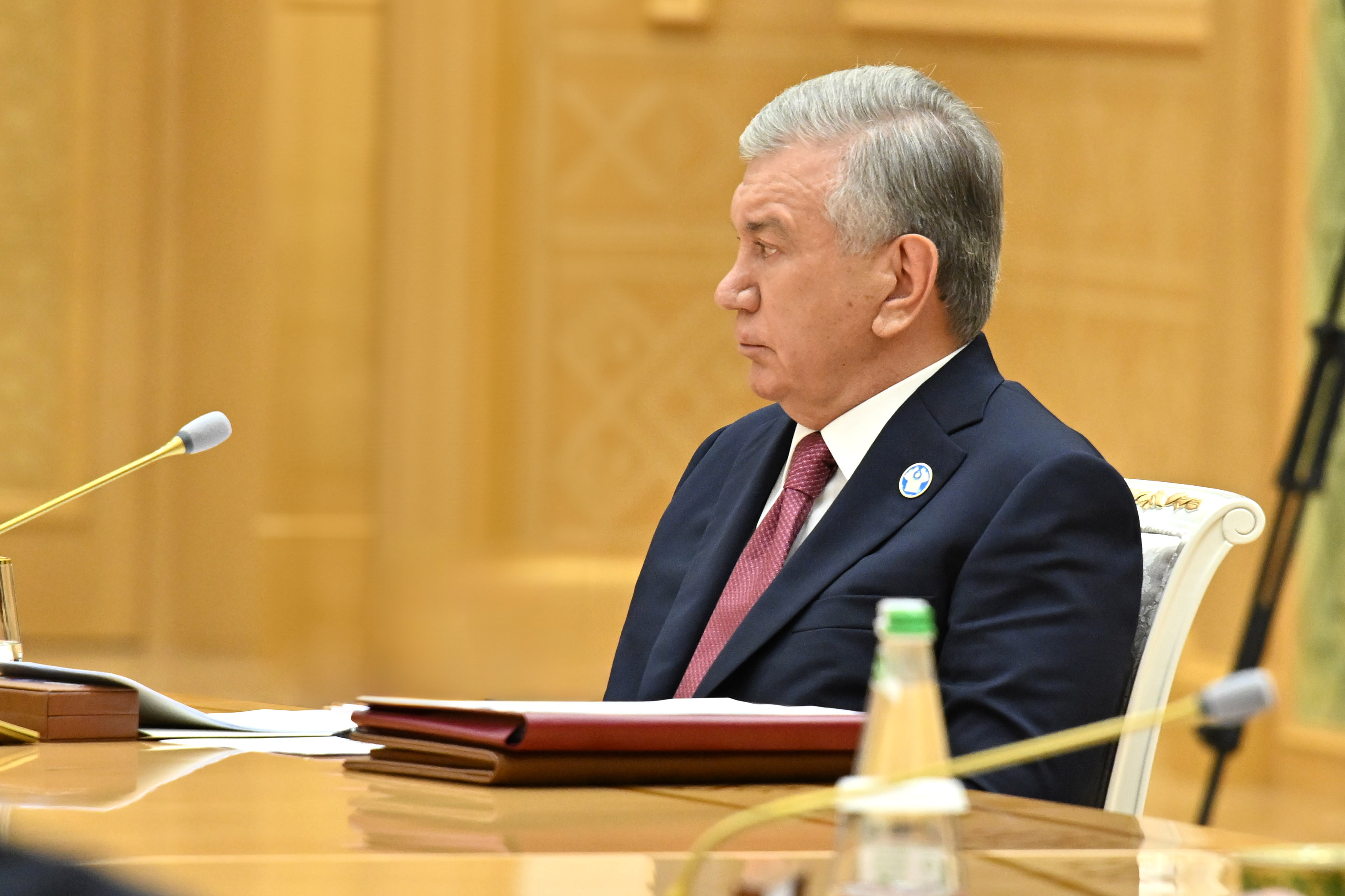
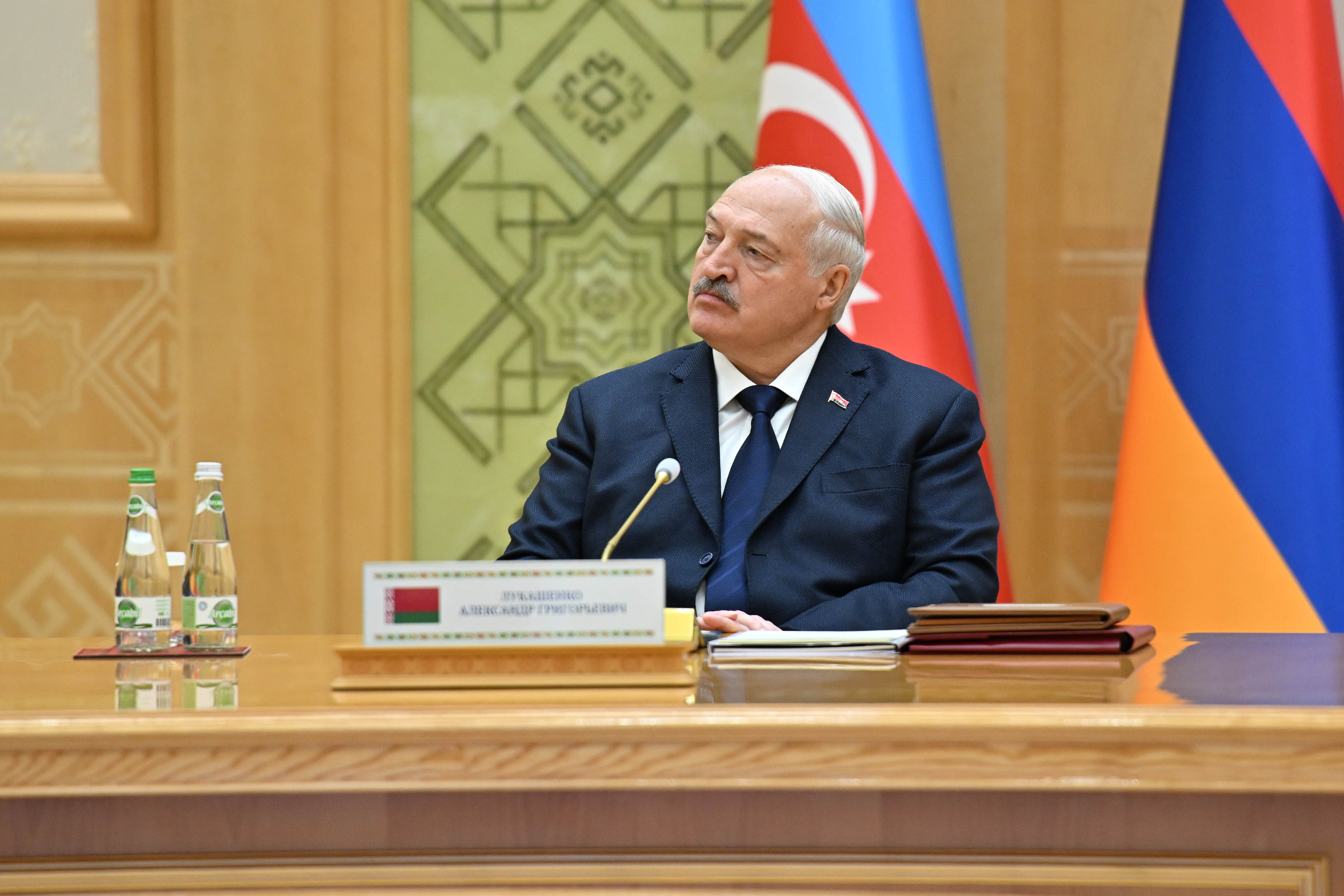
The meeting was also addressed by President of Turkmenistan Serdar Berdimuhamedov, President of Azerbaijan Ilham Aliyev, Prime Minister of Armenia Nikol Pashinyan, President of Belarus Alexander Lukashenko, President of Kyrgyzstan Sadyr Japarov, President of Russia Vladimir Putin, President of Tajikistan Emomali Rahmon, President of Uzbekistan Shavkat Mirziyoyev, and CIS Secretary General Sergey Lebedev.

12 октября 2026
Главы государств СНГ посетили фестиваль национальных блюд
8 октября 2026 года

Аваза, Туркменистан


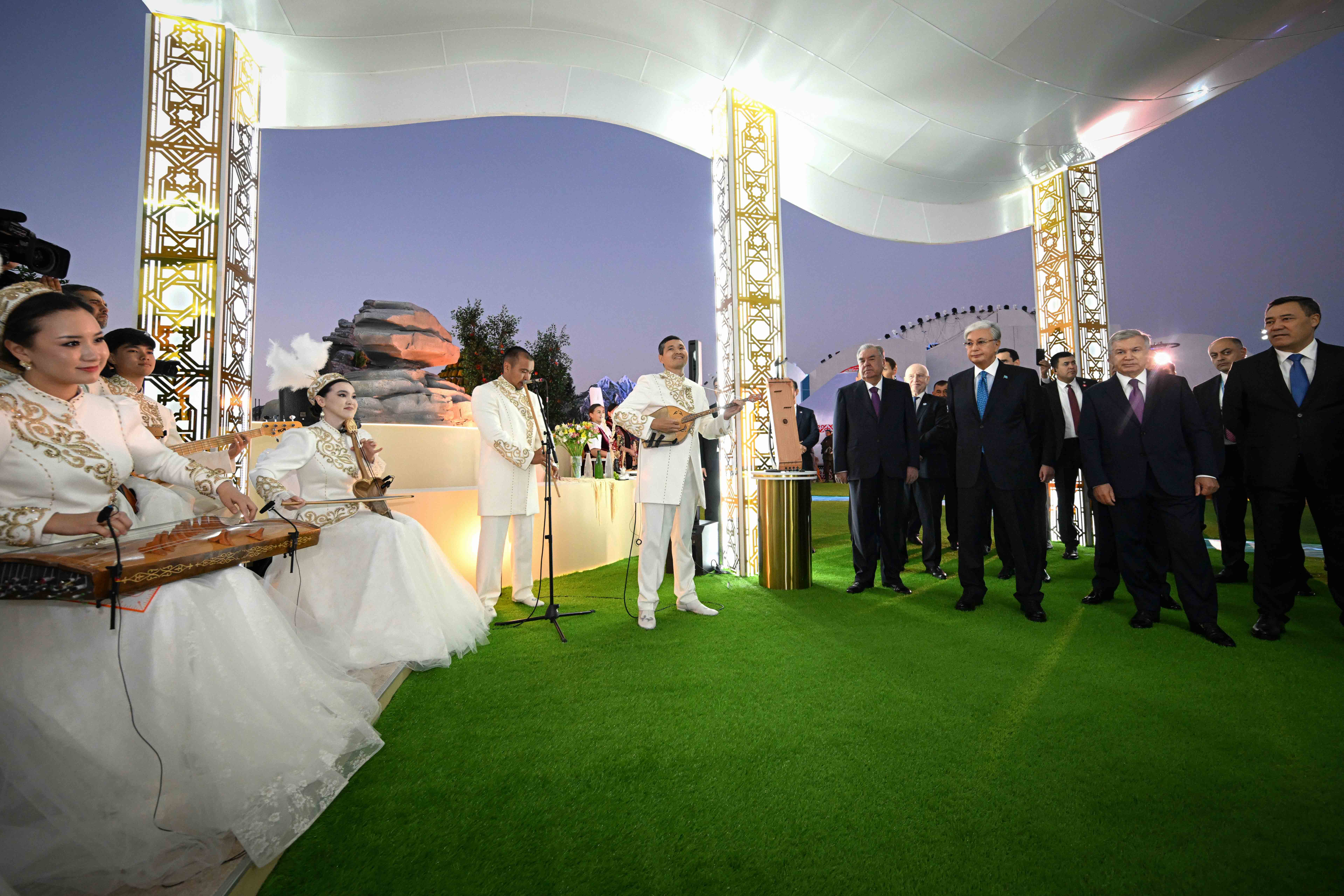
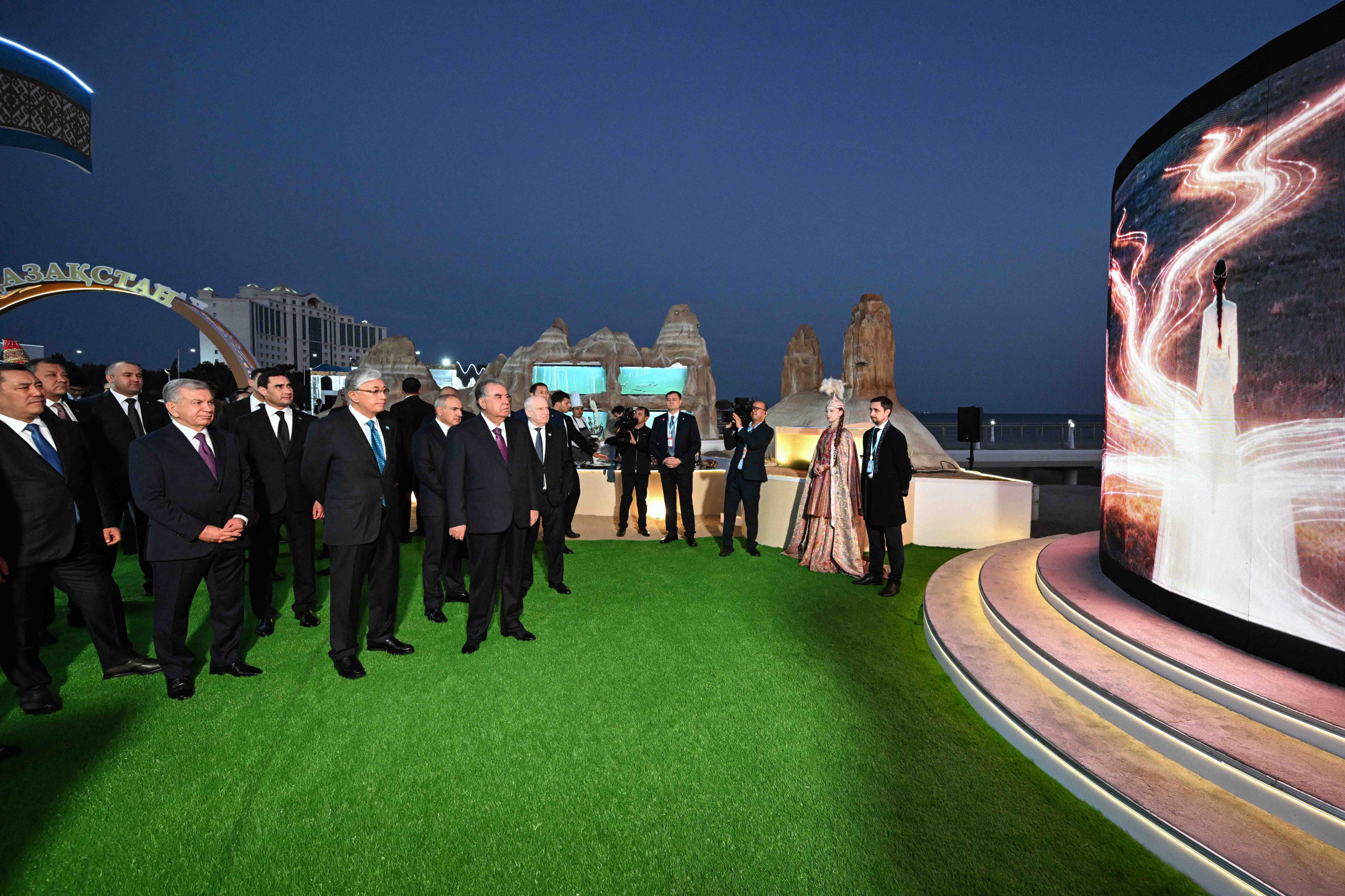
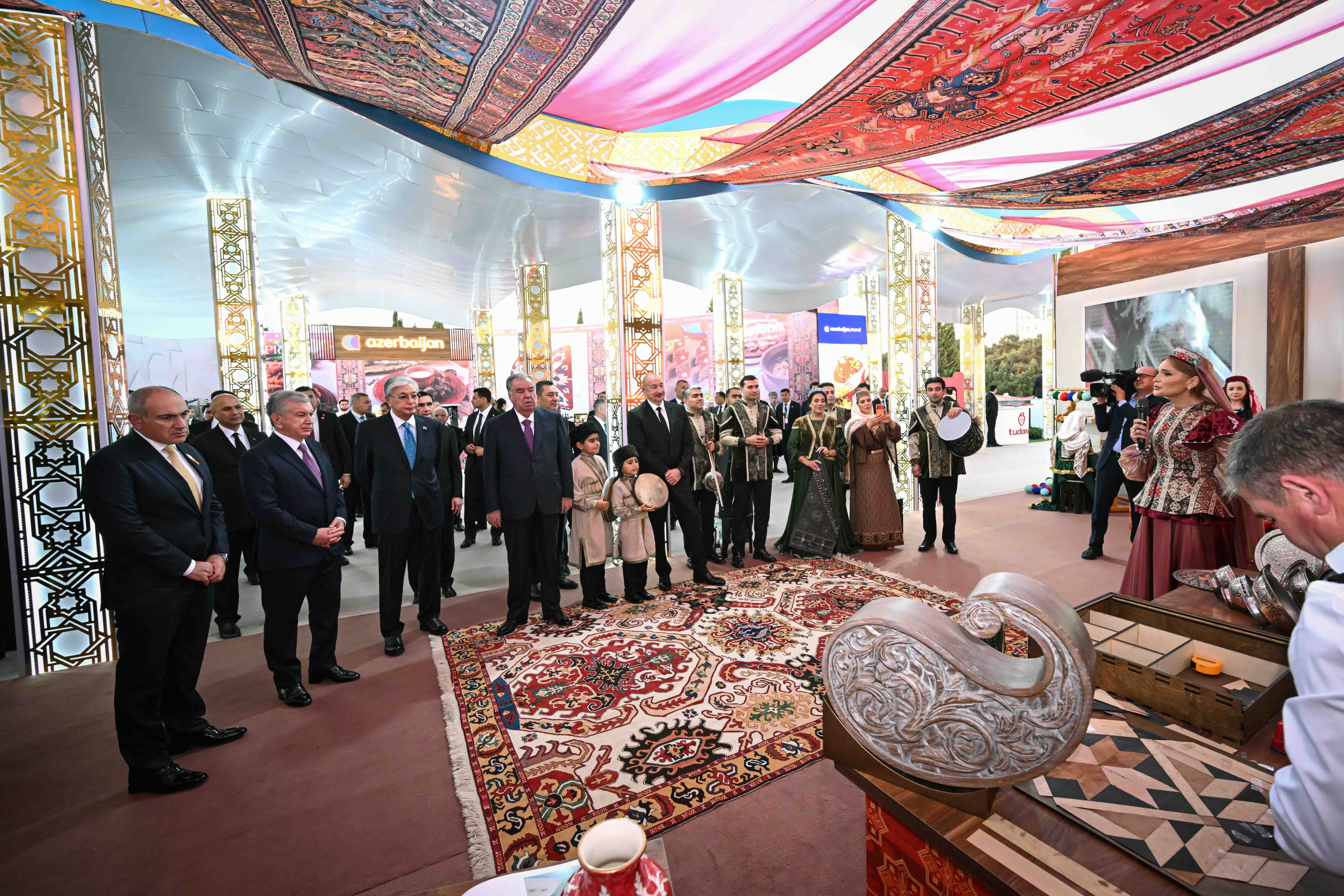
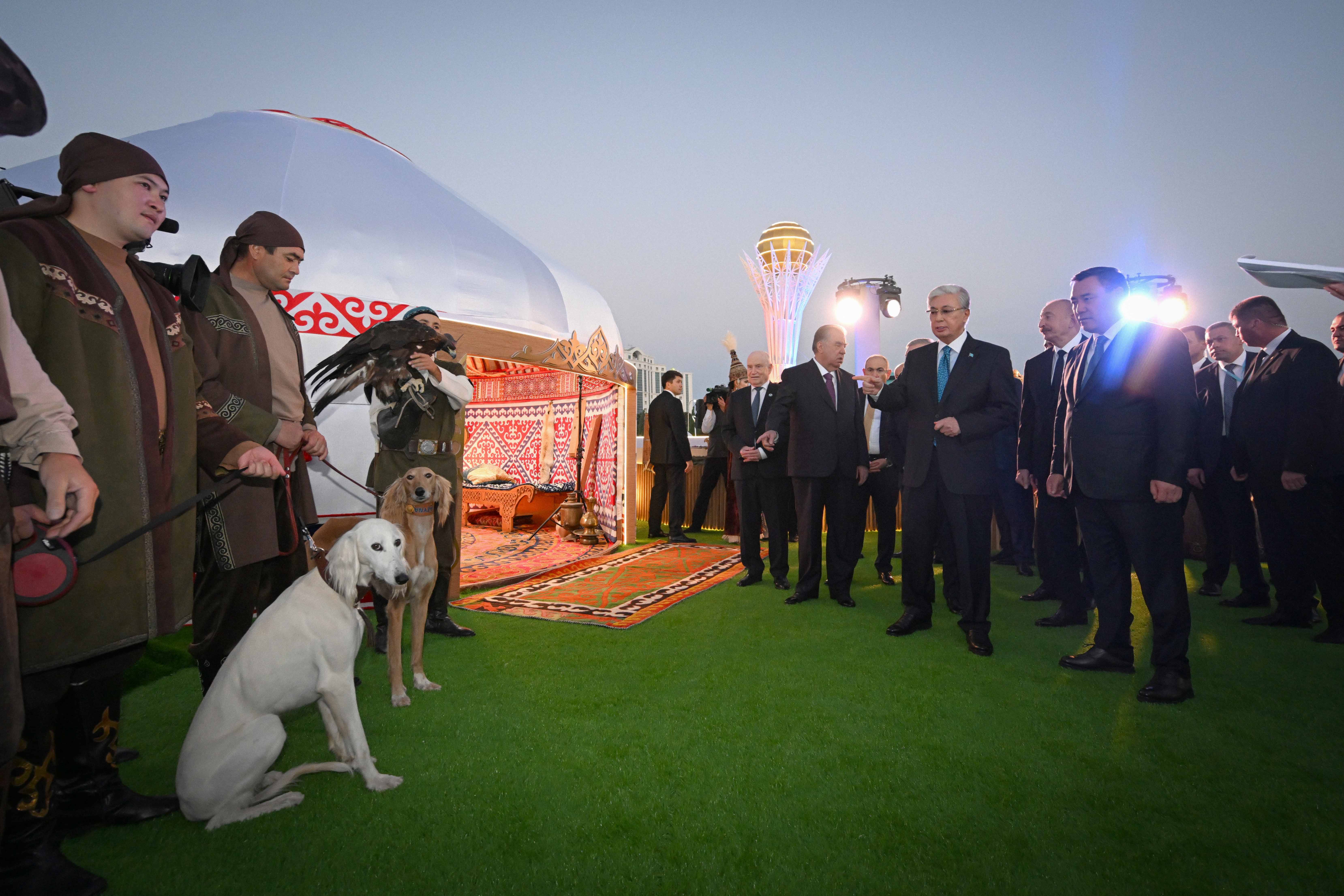
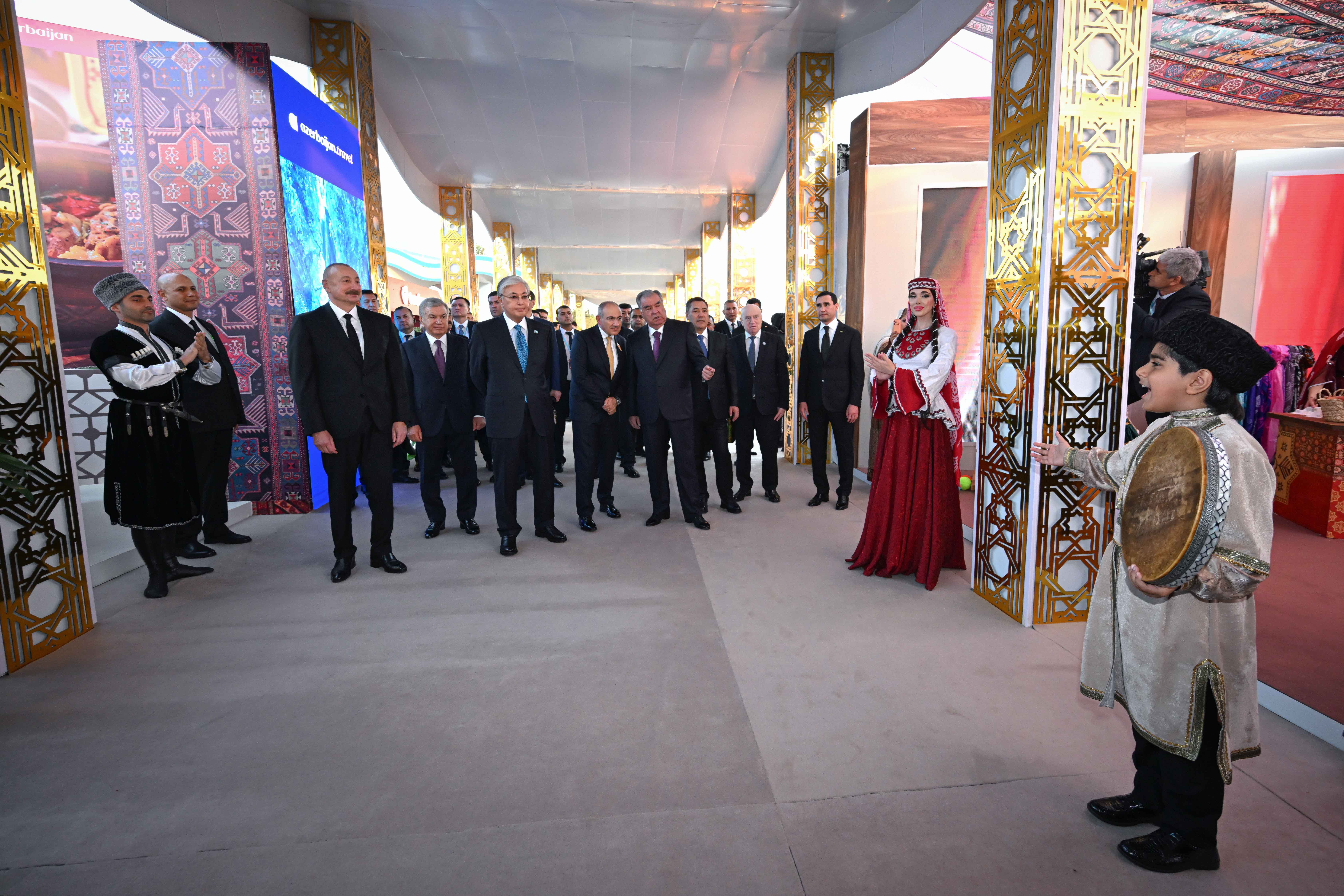
Президент Касым-Жомарт Токаев и главы государств СНГ посетили фестиваль национальных блюд.

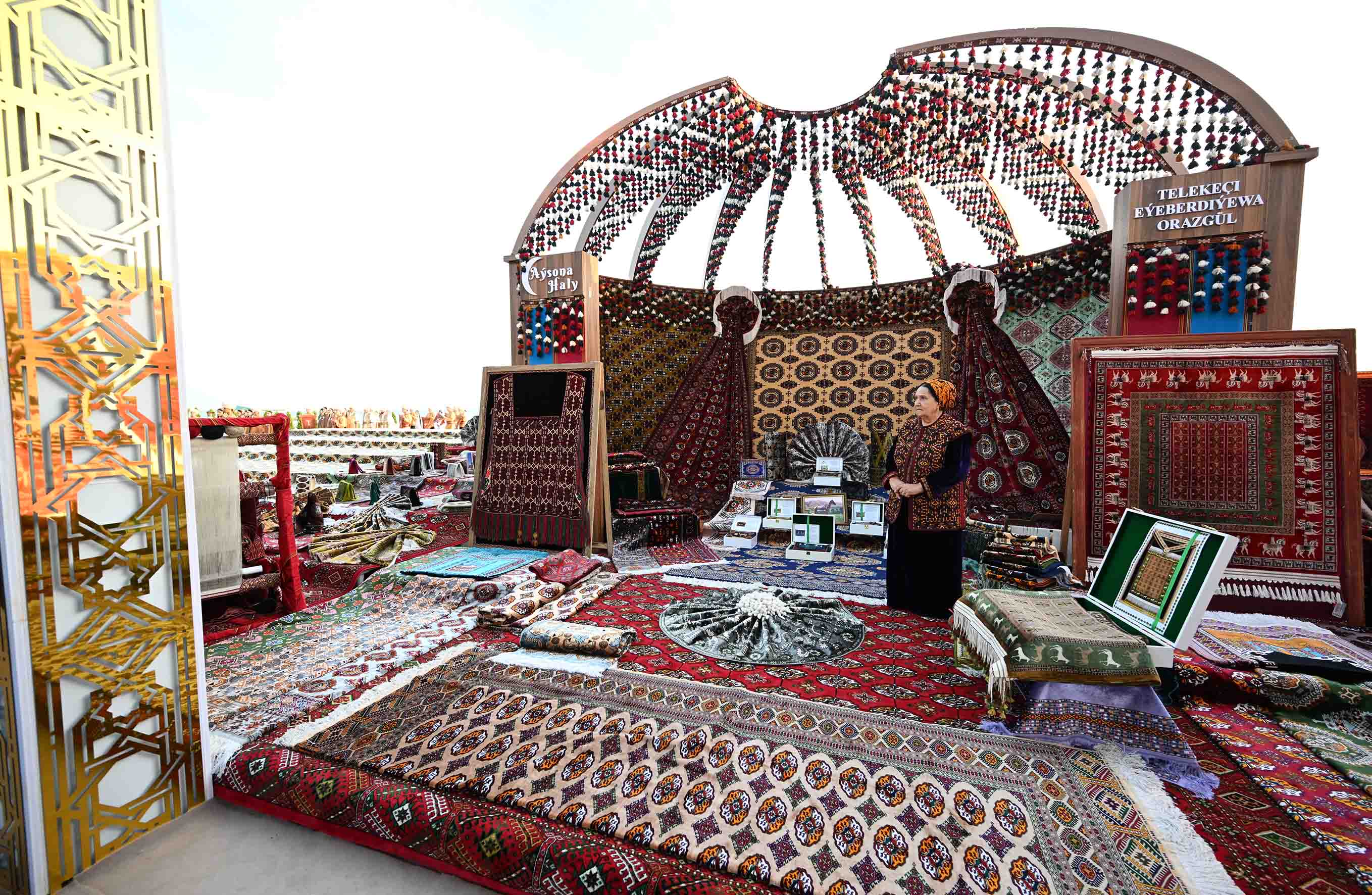
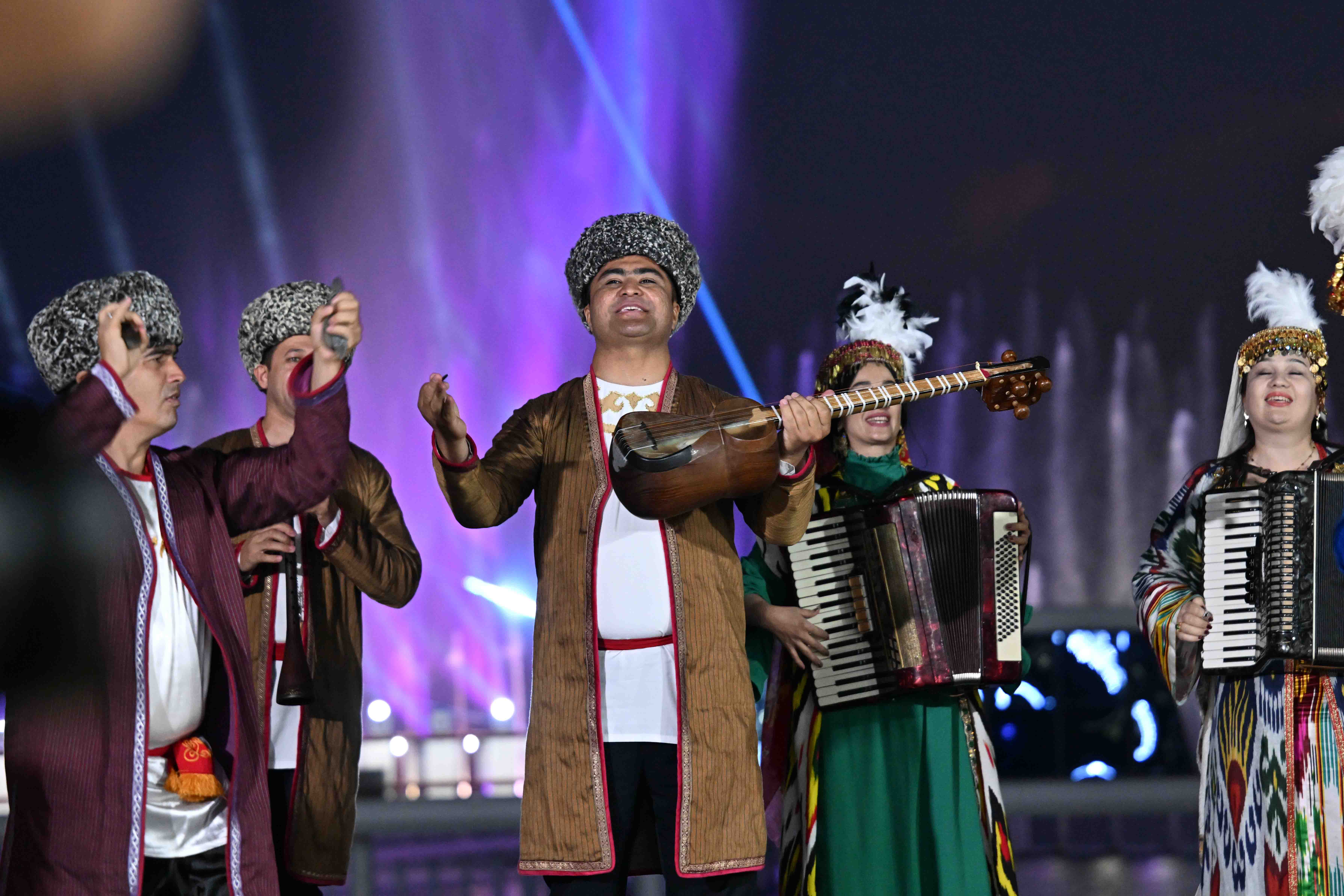
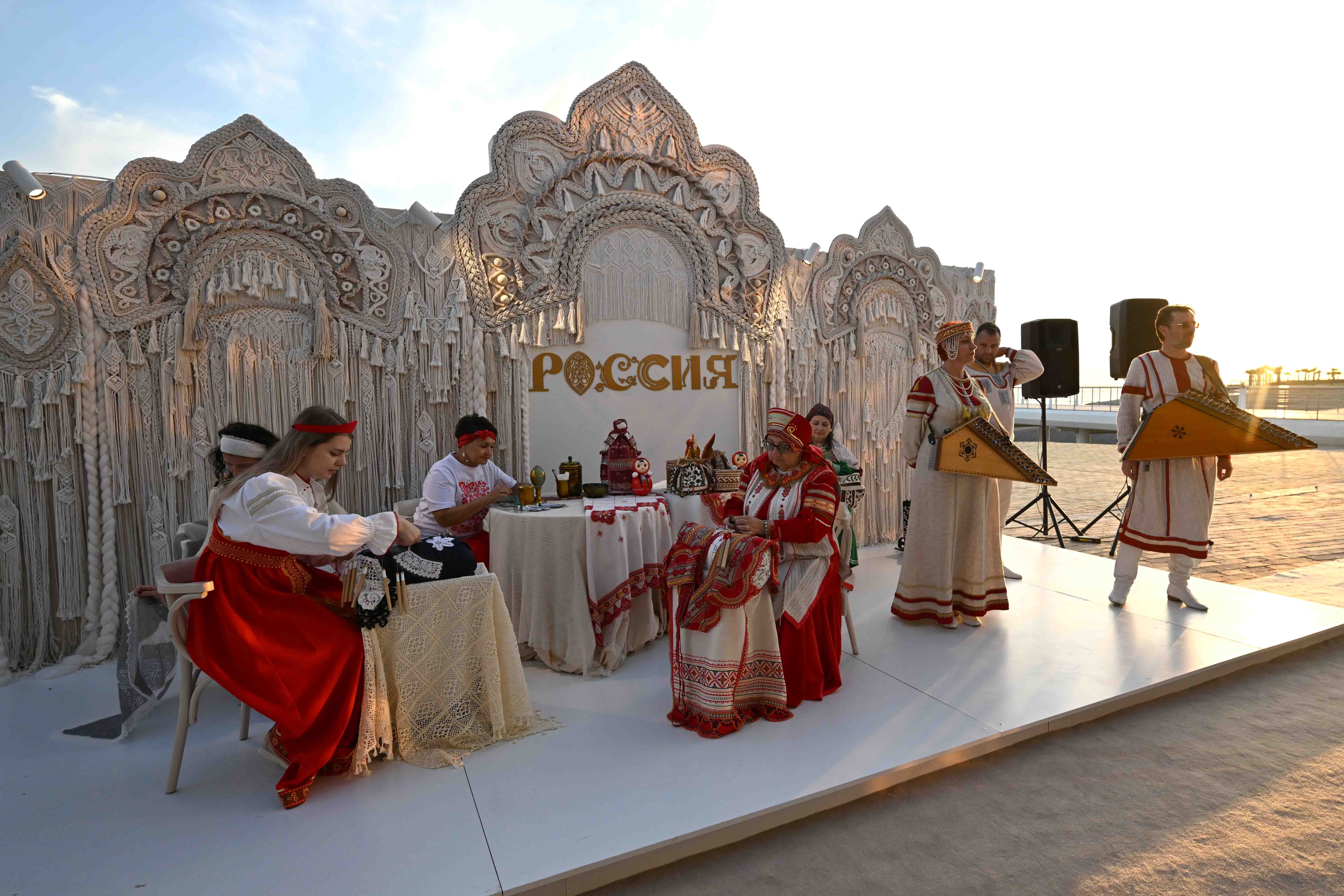
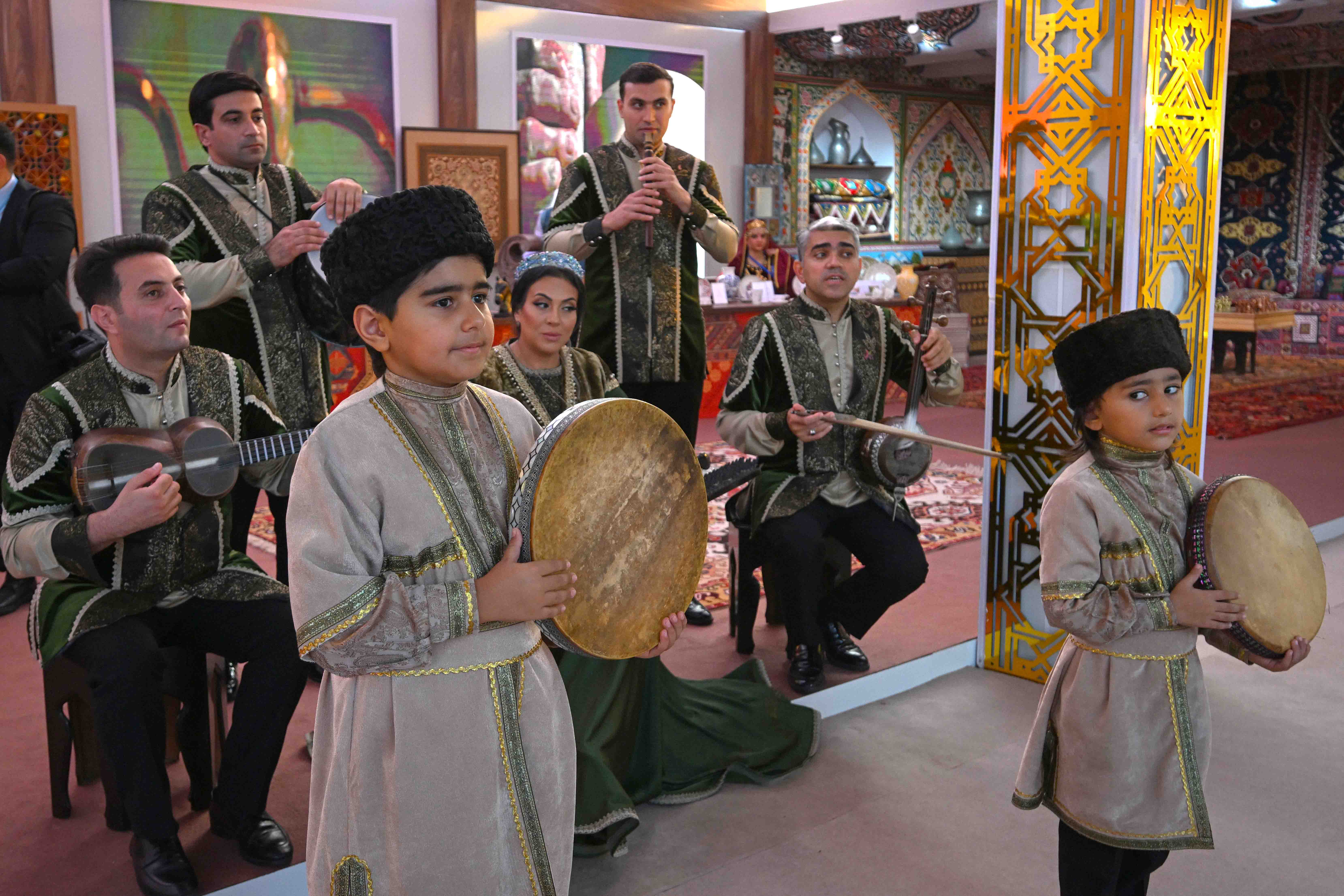
В павильоне Туркменистана высоким гостям продемонстрировали экспозиции местных бахчевых культур и хлебобулочных изделий, выставку туркменских ковров. Также было показано литературно-музыкальное представление «Огузлар».

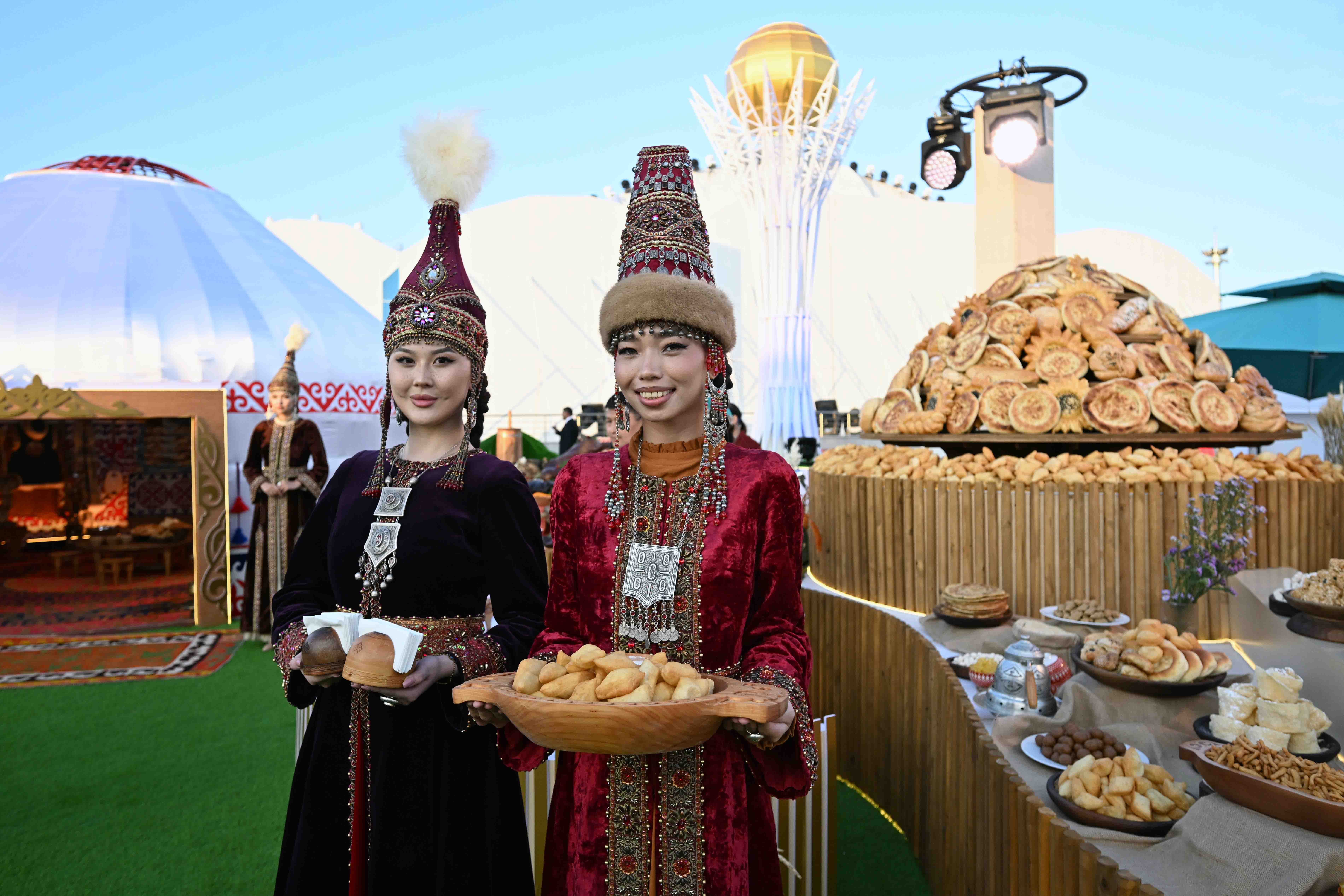
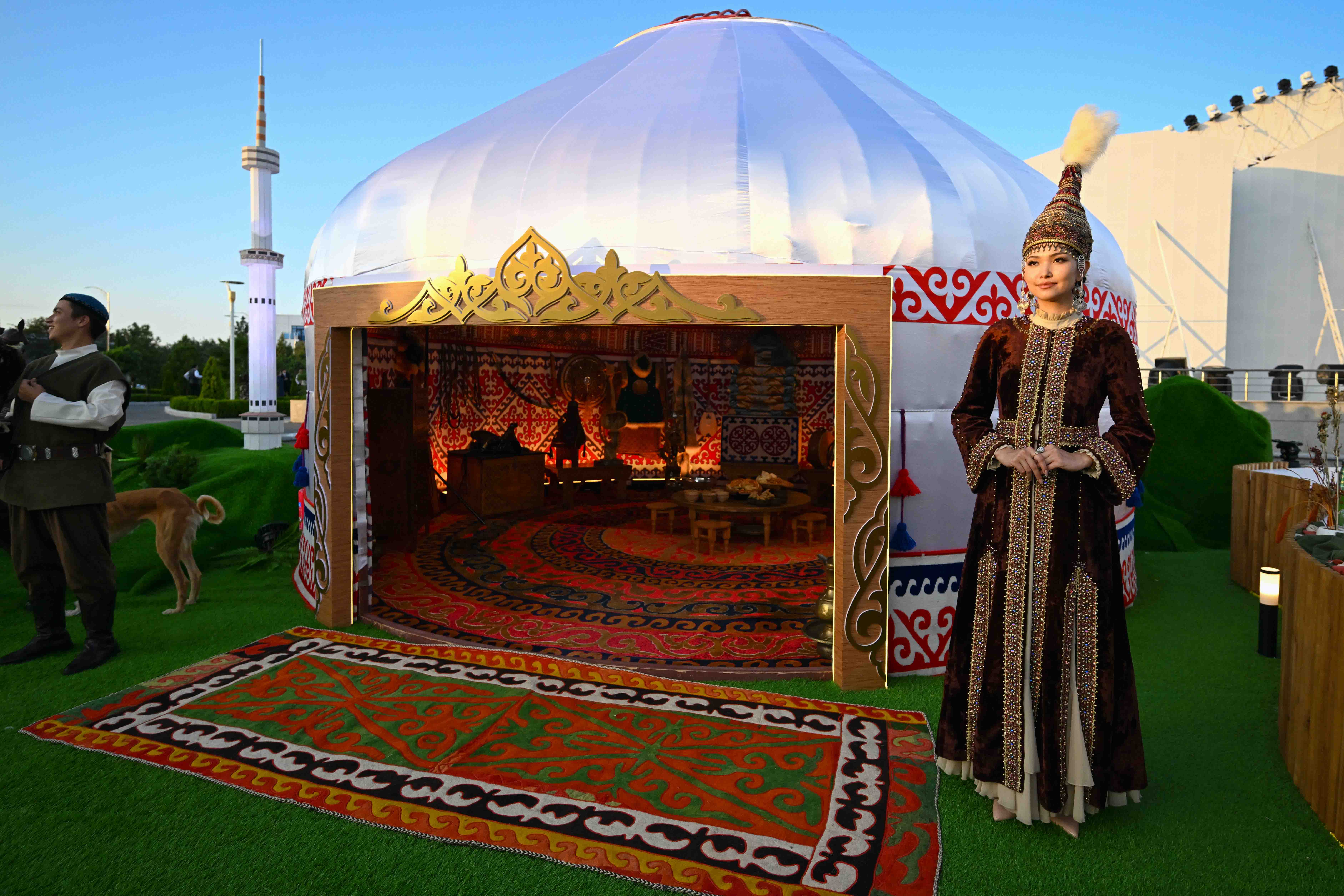
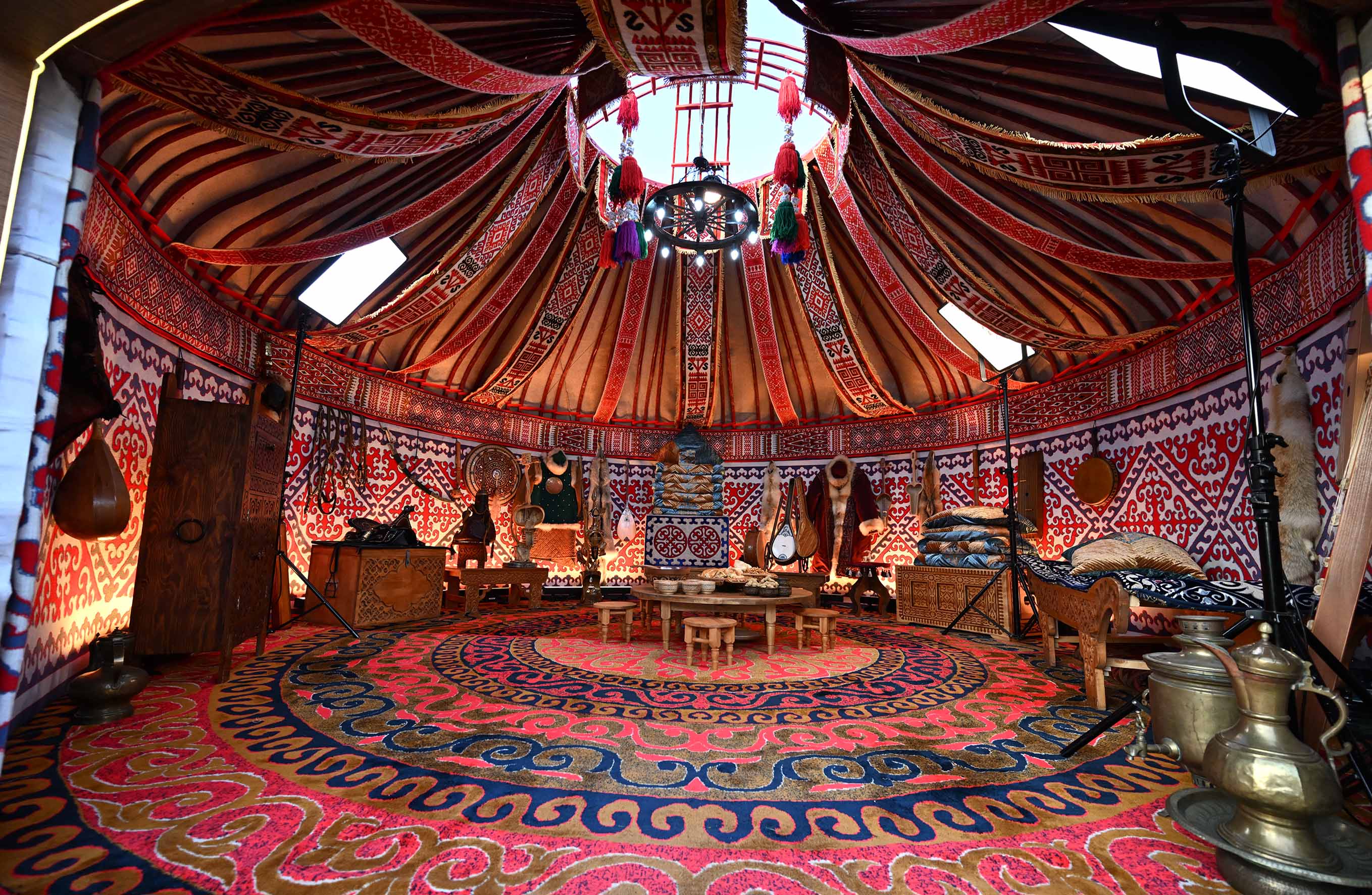
Национальный павильон Казахстана включал несколько тематических зон, отражающих богатое историко-культурное наследие и современные достижения нашей страны.

Главы государств ознакомились с процессом приготовления национальных блюд стран – участниц Содружества.

В ходе фестиваля в присутствии лидеров состоялась церемония награждения победителей Межгосударственного конкурса телевизионных фильмов государств – участников СНГ «Полет скакуна: сила и грация».

12 октября 2026
President Kassym-Jomart Tokayev Held Talks with the President of Turkmenistan
October 8, 2026

Awaza, Turkmenistan


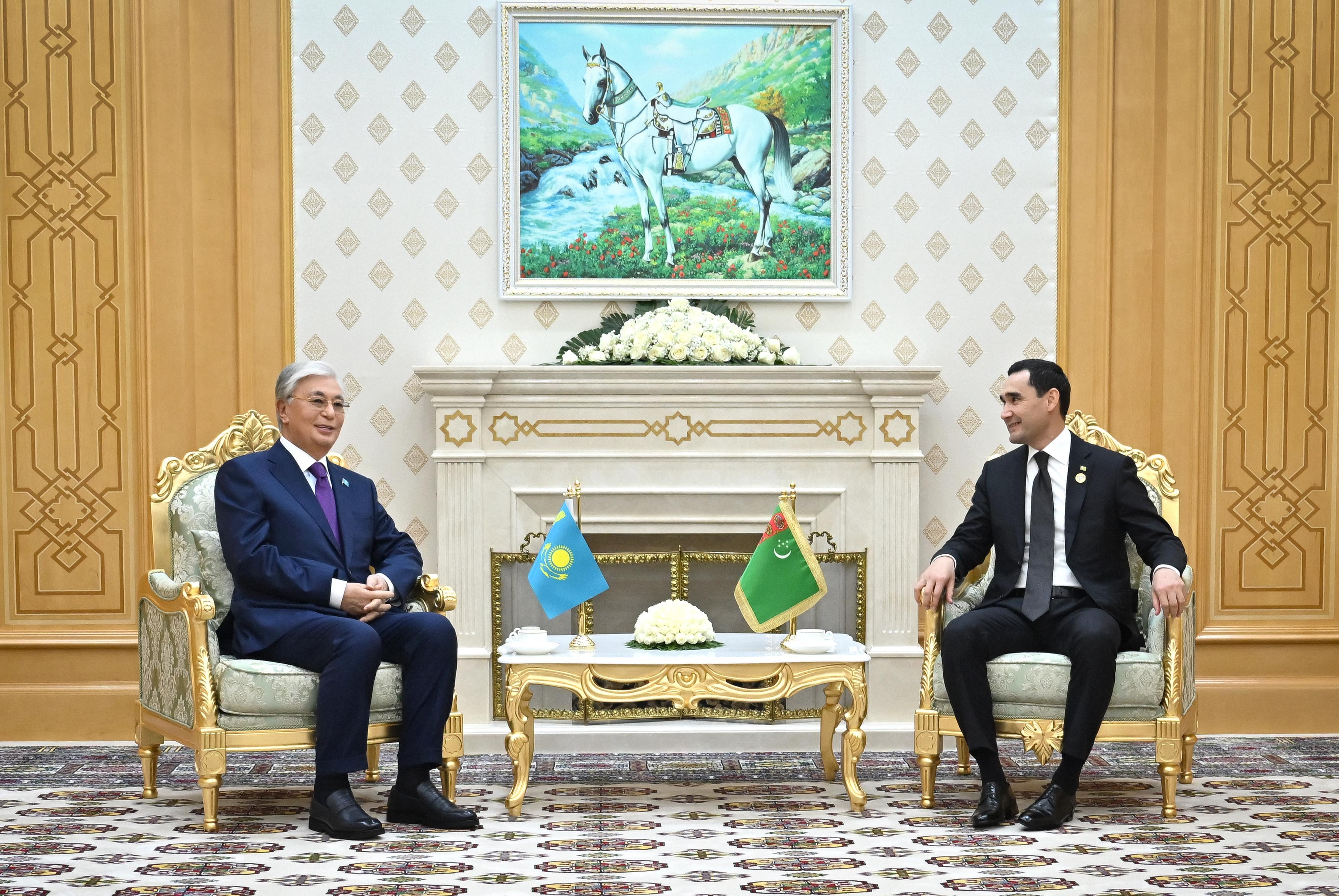
As part of his working visit to Turkmenistan, Kassym-Jomart Tokayev held a meeting with Serdar Berdimuhamedov.

The Head of State thanked the President of Turkmenistan for the warm welcome and hospitality, noting the high level of Kazakh-Turkmen relations, which are based on longstanding ties of friendship, good-neighbourliness and mutual support.

During the meeting, the leaders highlighted the positive momentum in the development of bilateral cooperation across the full spectrum of interaction.

The heads of state discussed the implementation of previously reached agreements, as well as promising joint projects in energy, industry, agriculture, agriculture, transport, and other areas.

Particular attention was paid to strengthening cultural and humanitarian ties.

The Presidents also reviewed the schedule of upcoming joint events.

12 октября 2026
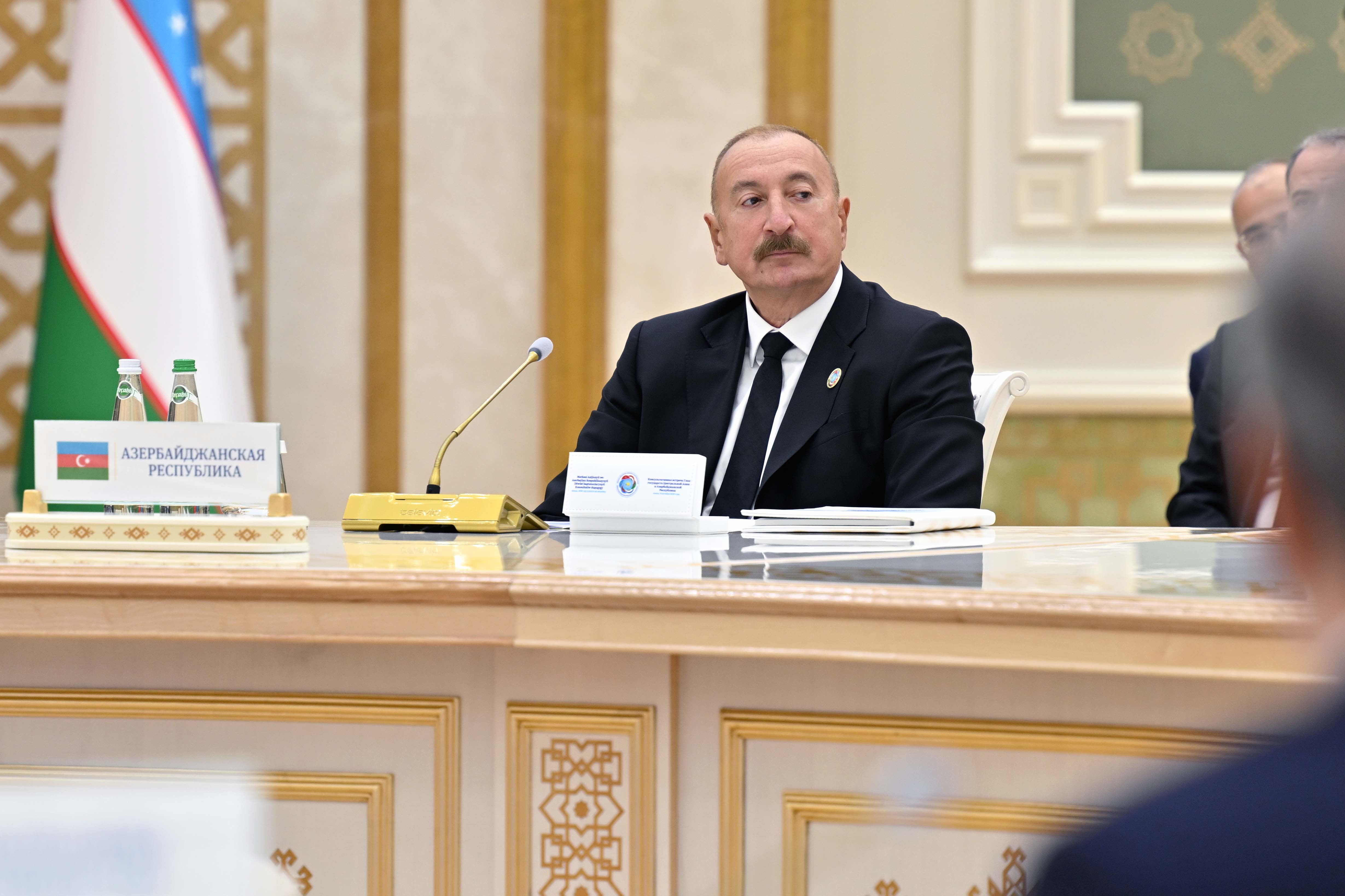
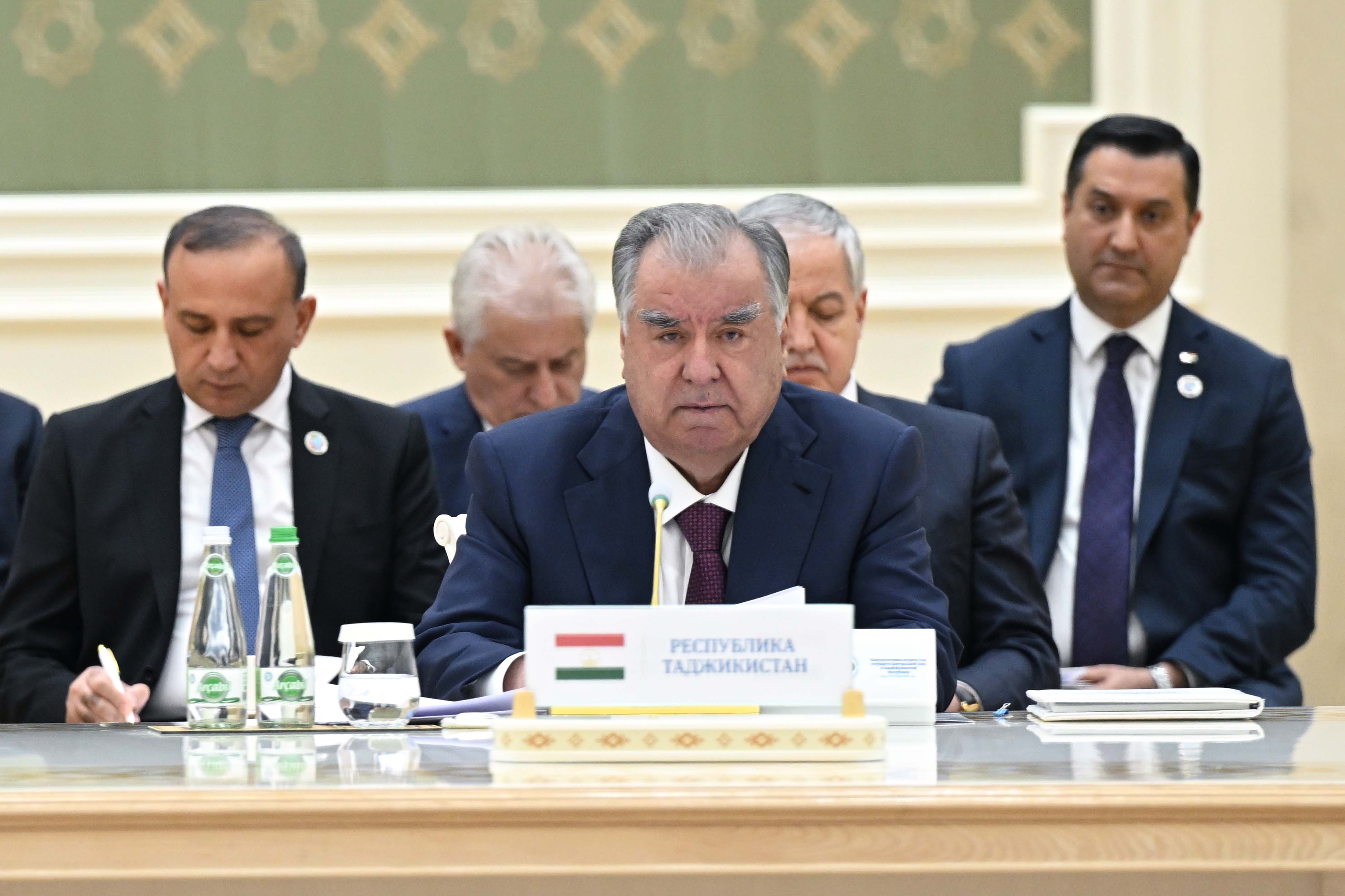
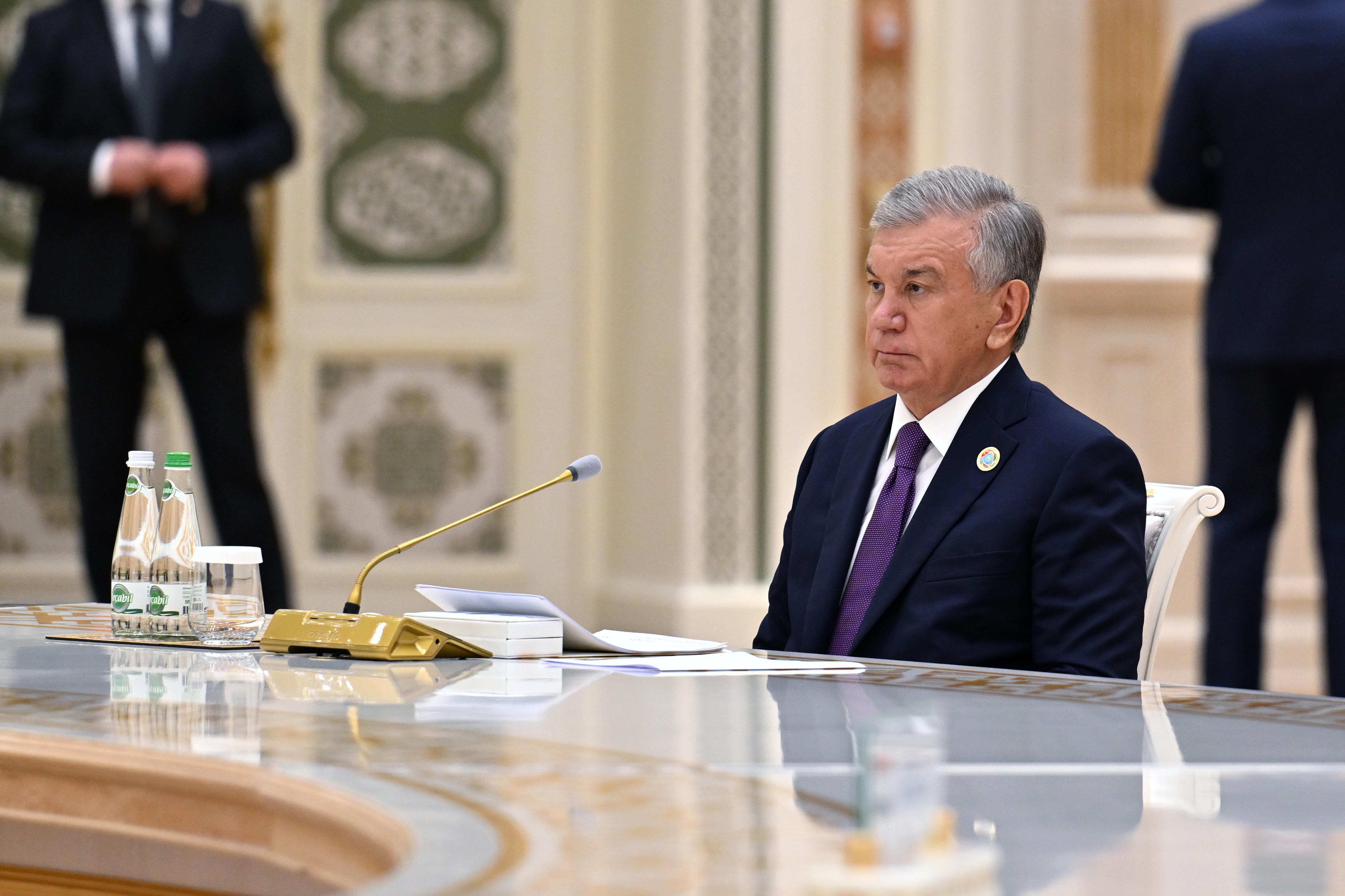
President Takes Part in the 8th Consultative Meeting of the Heads of State of Central Asia and Azerbaijan
October 8, 2026

Awaza, Turkmenistan


In his address, Kassym-Jomart Tokayev placed particular emphasis on the symbolic significance of today’s meeting, which is being held in the year marking the 35th anniversary of the Independence of the countries of Central Asia and Azerbaijan.

“Over these years, we have travelled a long, difficult and truly challenging, yet productive path that has encompassed an entire era. We have strengthened our sovereignty, shaped our own models of development and earned a respected place in the international community. Today, Central Asia and Azerbaijan are rightfully regarded as centers of growth and geopolitical interaction in Eurasia. Most importantly, thanks to the wisdom and unity of our brotherly peoples, we live in peace and harmony. Solidarity, mutual support and trust have become our common strategic pillar, enabling us to respond together to the challenges of our time. Amid growing geopolitical tensions, the transformation of the international relations architecture and deepening dividing lines, this trend is gaining particular relevance,” the Head of State said.

The President shared Kazakhstan’s vision on key issues of further regional cooperation with the participants of the Consultative Meeting.

“Thanks to our joint efforts, the trade and economic dimension of our cooperation is gaining new substance every year. The number of joint ventures is growing, business ties are strengthening, and major projects are being implemented in industry, mechanical engineering, energy, agriculture and other sectors. Trade barriers are being gradually removed, border crossing points are being opened, and road and rail connectivity is expanding. Yet, as we understand, the potential of our domestic market remains far from being fully realized. Last year, intraregional trade amounted to approximately 13 billion US dollars, accounting for around 8% of our countries’ total trade turnover. I therefore propose tasking the governments with developing and adopting a Joint Action Plan aimed at increasing this figure to at least 20 billion dollars, with a consistent increase in the share of mutual trade,” Kassym-Jomart Tokayev proposed.

The Head of State pointed to significant prospects for the development of trade and logistics complexes and industrial cooperation centers being established in the border areas of the countries of the region.

“In the near future, they could be interconnected to build regional value chains. We have all the necessary conditions to expand cooperation in investment, energy, industry and other strategic areas,” the President noted.

Kassym-Jomart Tokayev emphasized that Kazakhstan is consistently developing its transport infrastructure and creating new opportunities to strengthen regional connectivity.

“Construction of the Moiynty–Kyzylzhar and Darbaza–Maktaaral railway lines is nearing completion, while rail service along the Bakhty–Ayagoz route will open next year. This is a very important route, and indeed one of strategic significance. The large-scale Aral–Caspian Highway project has been launched, which will connect China with the Caspian Sea and further with European markets. I am confident that the large-scale modernization of Kazakhstan’s transport infrastructure will contribute to strengthening the transit potential of the entire region. Particular importance is attached to the development of the Trans-Caspian International Transport Route. The dynamics of recent years clearly demonstrate the growing demand for what is often referred to as the Middle Corridor. For Kazakhstan, the North–South route in cooperation with Russia remains particularly relevant,” the Head of State said.

The President noted that, according to World Bank estimates, if all planned infrastructure projects are implemented, cargo flows through the Caspian Sea could quadruple by 2040.

“I believe we could discuss, at the expert level for the time being, the integration of the Middle Corridor with the TRIPP transport initiative. This would expand its existing potential and serve the long-term interests of all our countries,” Kassym-Jomart Tokayev emphasized.

The Head of State identified water resources as another priority, noting that this issue represents one of the key challenges to stability in Central Asia.

“We face the task of developing new approaches to the management of transboundary water resources. They should be based on the principles of mutual respect, equality and consideration of the interests of all states in the region. The adoption of a Central Asian Framework Convention on Water Use could serve as a starting point for shaping a new regional architecture of cooperation. This draft document is already under consideration by all parties. The initiative to establish an International Water Organization under the auspices of the United Nations is also highly relevant. This proposal could be given an international, and in particular Central Asian, dimension. Joint efforts to promote it would constitute our common contribution to the development of a global system for water resource management,” the President noted.

Kassym-Jomart Tokayev also stressed the importance of cooperation in the field of artificial intelligence.

“Kazakhstan is consistently building a comprehensive artificial intelligence ecosystem. The Law on Artificial Intelligence has been adopted, the Digital Qazaqstan strategy is being implemented, supercomputer clusters have been launched, and the International Centre Alem.ai is operating. Given the exceptional importance of this issue, I propose considering the development of a Central Asian Partnership Program on Artificial Intelligence, enabling our research centers, universities and technology companies to exchange information and experience,” the Head of State said.

The President of Kazakhstan believes that the safe use of neural networks is a fundamental requirement. He noted that the risks associated with this issue are already the subject of serious international discussion.

“In my view, we should begin jointly developing approaches to ensure control over critical technologies. In this regard, Kazakhstan has proposed developing a Declaration on the Responsible Use of Artificial Intelligence by the States of Central Asia and Azerbaijan,” Kassym-Jomart Tokayev said.

The Head of State noted that amid global turbulence, preserving peace and stability in the region remains the foremost priority.

“Terrorism, drug trafficking, arms and human trafficking, illegal migration, organized crime and fraud continue to pose serious security threats. The risk that digital technologies will fall into the hands of attackers, in particular terrorists and drug cartels, is particularly alarming. Clearly, our methods of countering these threats must keep pace with the times. Regular meetings of the Security Council Secretaries of the Central Asian states make a significant contribution to strengthening cooperation in this area. The third meeting was held on 23-24 April in Dushanbe. We highly value the Regional Security and Stability Concept and the Catalogue of Security Risks and Measures for Their Prevention adopted last year in Tashkent. It is important to ensure their consistent and comprehensive implementation,” the President stated.

Kassym-Jomart Tokayev devoted particular attention to strengthening cultural and humanitarian ties. According to him, the countries of the region share a rich historical and cultural heritage.

“Over recent years, intercultural contacts have intensified significantly, with exhibitions, film festivals, forums and commemorative events being held on a regular basis. I believe this process should be given further impetus through youth exchanges, inter-university and scientific cooperation, and dialogue among creative communities. The establishment of a common information space is a natural continuation of our efforts to deepen these ties. As you know, Kazakhstan has put forward an initiative to establish a regional television channel based on Silk Way Kazakhstan TV channel,” the Head of State proposed.

The President considers the volunteer movement to be an important component of humanitarian rapprochement.

“Kazakhstan’s experience in implementing the nationwide Taza Qazaqstan project could be developed at the regional level, bringing young people together around common moral and civic values. I therefore propose holding a Youth Forum on Volunteering in 2027 under the motto “Central Asia – a Common Territory of Good Deeds”. Direct people-to-people contacts are also expanding through the growth of intraregional tourism, which is opening up new opportunities to discover the history and culture of our countries. We propose creating a common calendar of major cultural, scientific, sporting and tourism events in Central Asia and Azerbaijan. This would encourage mutual travel and attract foreign tourists through combined tours. All these measures are aimed at building a strong humanitarian platform for regional cooperation,” Kassym-Jomart Tokayev noted.

In conclusion, the Head of State addressed the further improvement of the Consultative Meeting format.

“In my view, it is important to preserve this particular format of cooperation as a platform for direct dialogue among leaders, free from excessive formalization. At the same time, I believe that the effectiveness of our work should be measured not so much by the number of proposals and initiatives as by their practical value and tangible results. Since 2018, more than 200 initiatives have been put forward, yet only a small proportion of them have been implemented. As the saying goes, the facts speak for themselves. I believe it would be useful for the foreign ministries to conduct a review of regional initiatives and assess their relevance and prospects. This would help ensure the continued effective functioning of our format and the implementation of the agreements reached,” the President of Kazakhstan concluded.

The meeting was also addressed by President of Turkmenistan Serdar Berdimuhamedov, President of Azerbaijan Ilham Aliyev, President of Kyrgyzstan Sadyr Japarov, President of Tajikistan Emomali Rahmon and President of Uzbekistan Shavkat Mirziyoyev.

Following the 8th Consultative Meeting of the Heads of State of Central Asia and the Republic of Azerbaijan, a Joint Statement was adopted.

22 сентября 2026
President Kassym-Jomart Tokayev Sends Congratulatory Telegram to Serdar Berdimuhamedov on the Occasion of His Birthday

В своем послании Касым-Жомарт Токаев отметил, что под руководством Сердара Бердымухамедова Туркменистан уверенно следует по пути созидания и прогресса, добиваясь впечатляющих успехов в укреплении государственности, социально-экономической модернизации и упрочении позиций на международной арене.

– Мы ценим Ваш личный вклад в укрепление казахско-туркменского стратегического партнерства с целью вывода многогранного межгосударственного сотрудничества на новые высоты, – подчеркнул Президент Казахстана.

Глава нашего государства пожелал Президенту Туркменистана неиссякаемой энергии и дальнейших успехов в ответственной деятельности на благо братского туркменского народа.

14 сентября 2026
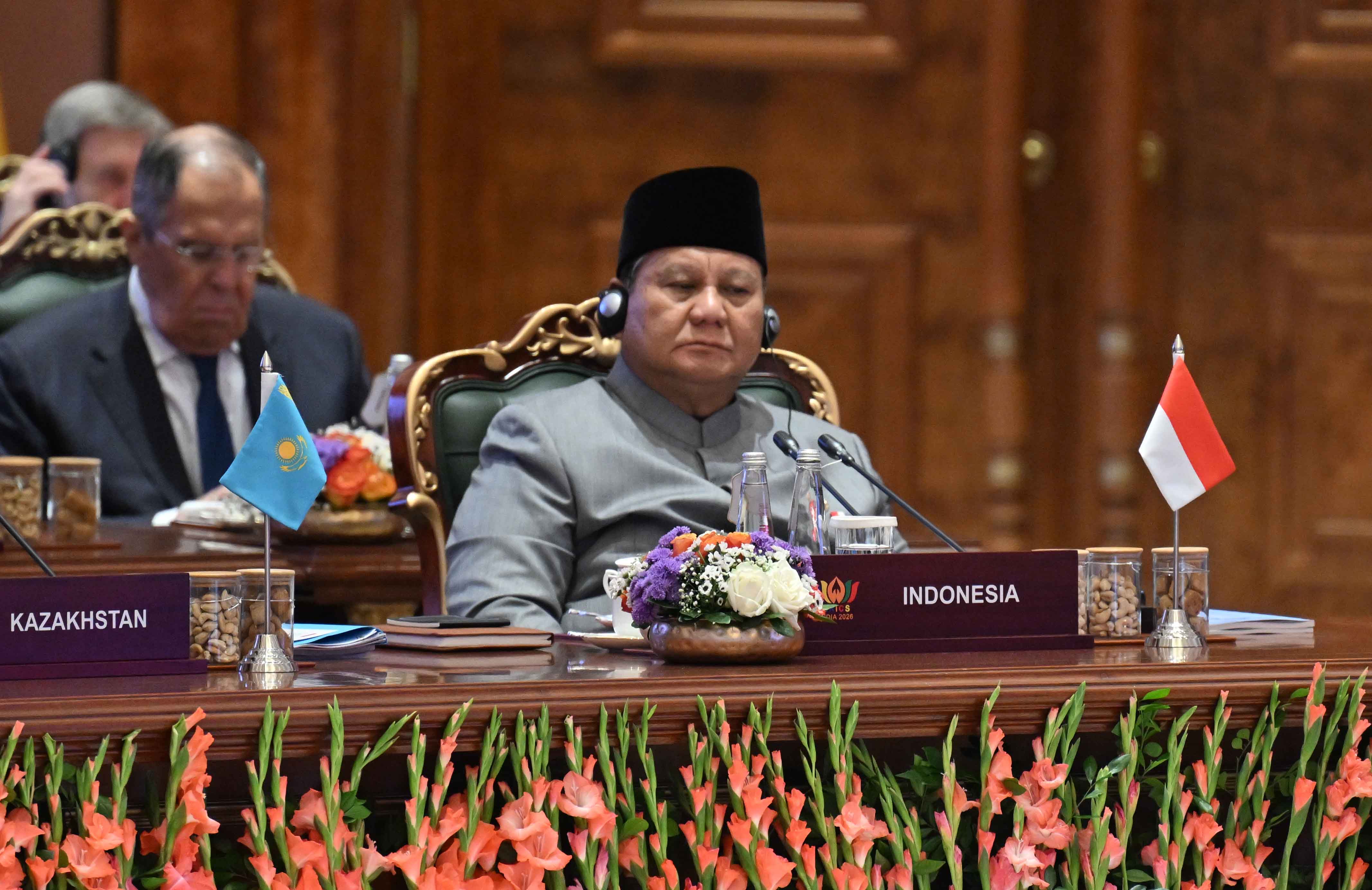
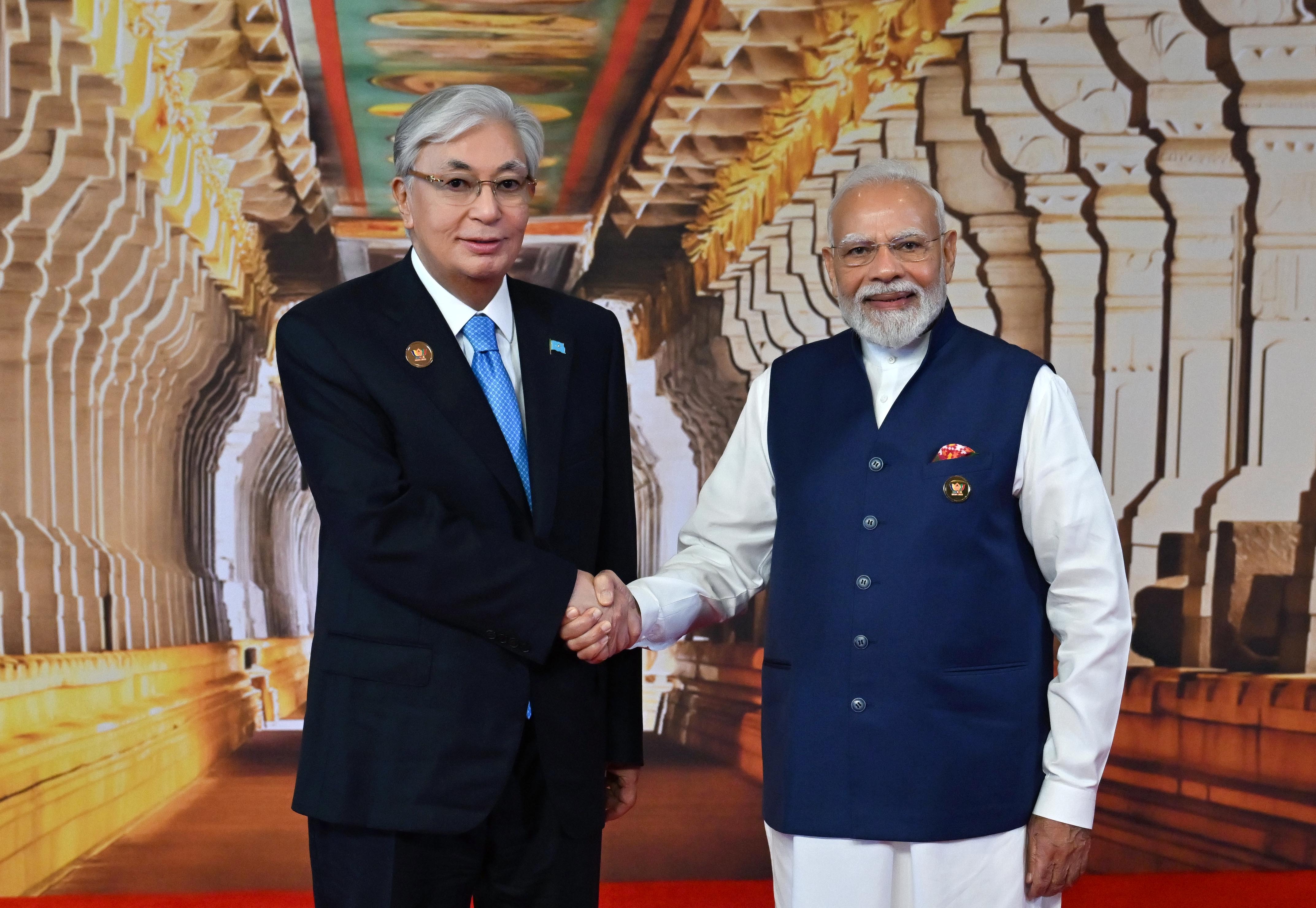
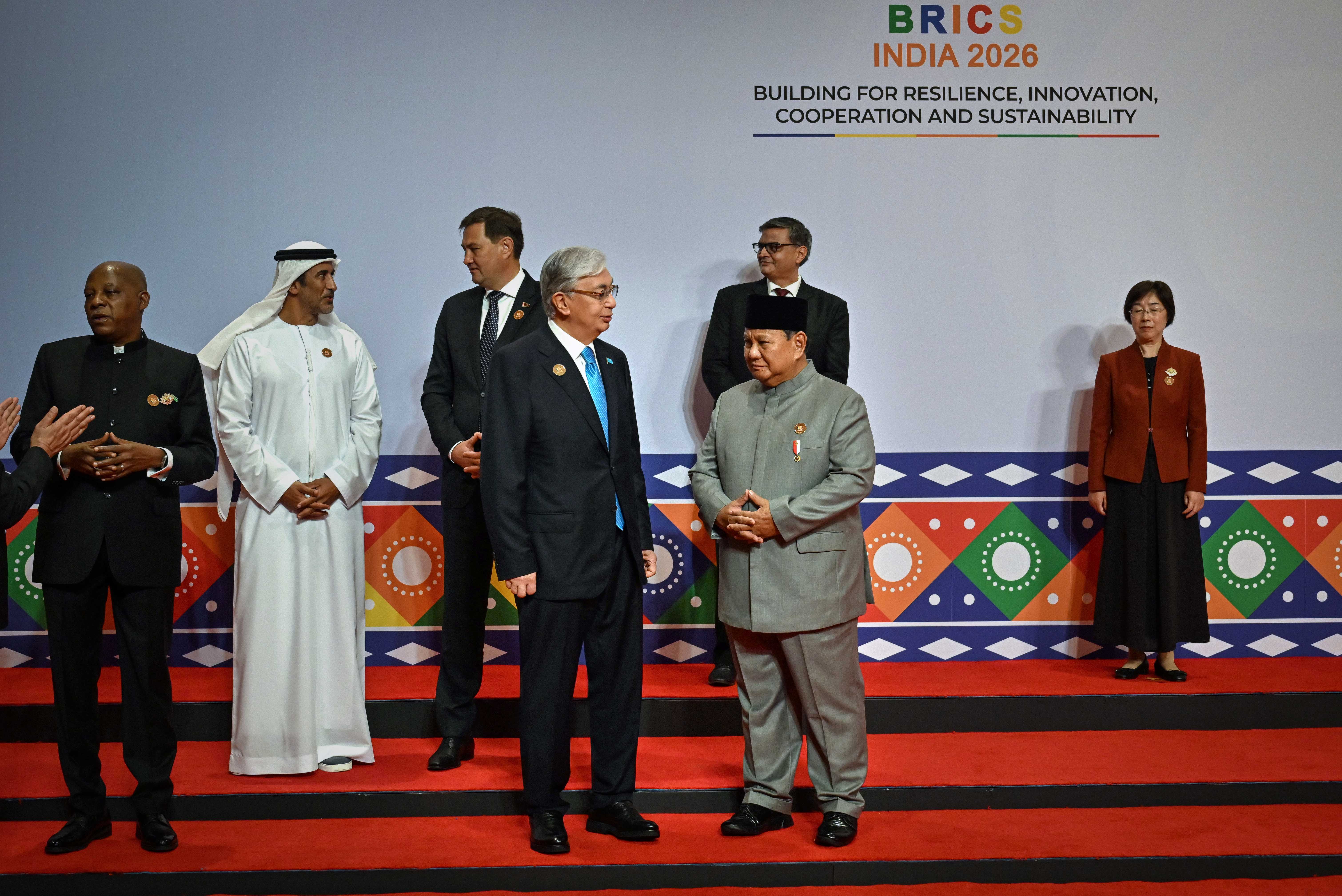
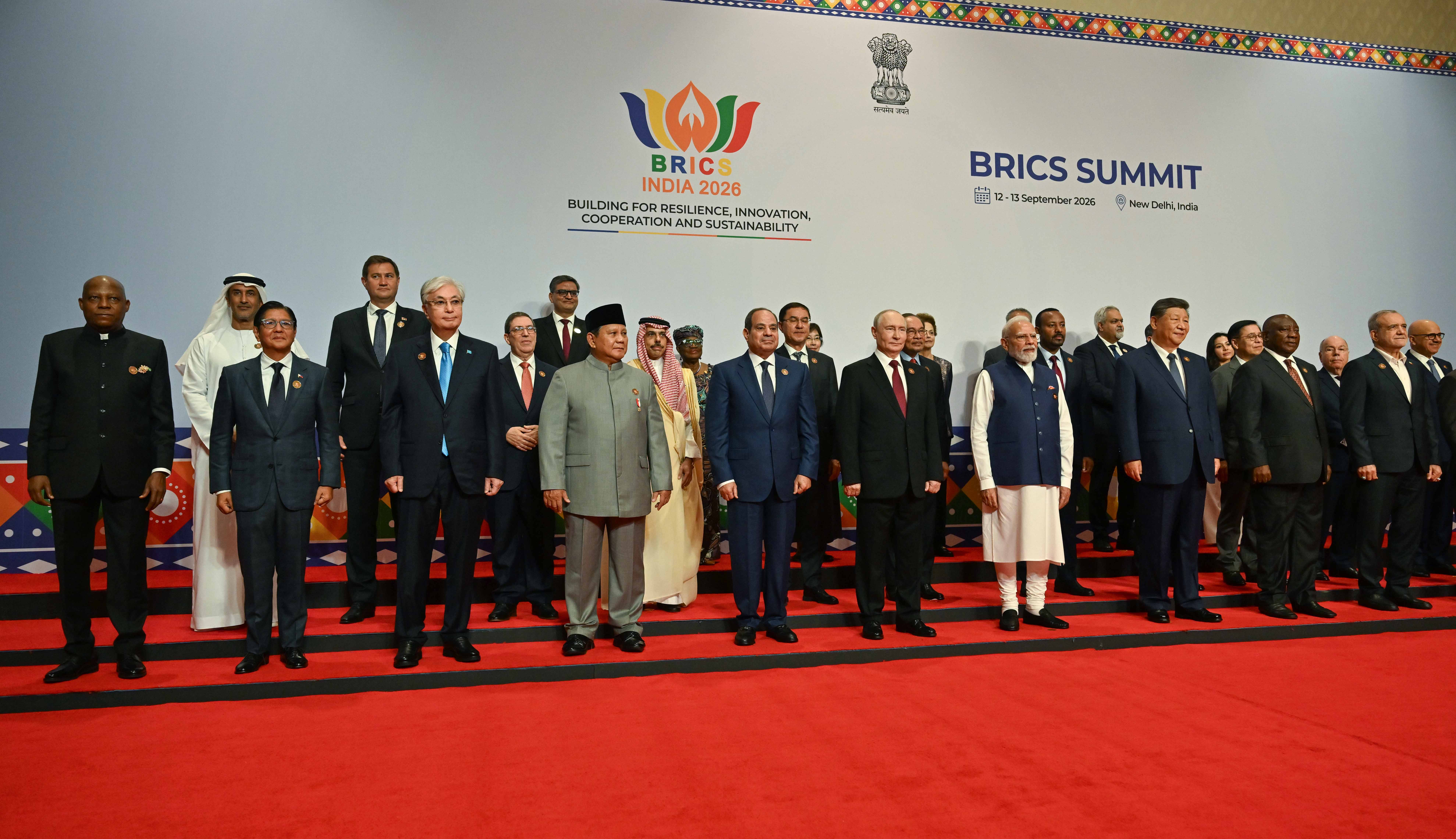
President Tokayev Takes Part in BRICS Plus Summit

President Kassym-Jomart Tokayev delivered remarks at the BRICS plenary session held in the Outreach/BRICS Plus format in New Delhi under the theme “Building for Resilience, Innovation, Cooperation and Sustainability”.

The Head of State thanked Prime Minister Narendra Modi for the hospitality and the excellent organization of the BRICS Summit.

“It is very symbolic that we meet here in New Delhi, a city that reflects India’s uniquely rich cultural heritage. As BRICS marks twenty years of cooperation, India’s chairmanship has advanced extremely important people-centric agenda, guided by the principle “Humanity First”, the President of Kazakhstan said.

As Kassym-Jomart Tokayev noted, representing nearly half of the world’s population and 40% of global GDP, BRICS has both significant ability and responsibility to reduce divisions and deliver tangible results.

“However, its full potential will remain out of use unless we address the fundamental challenges facing the global community and halt the erosion of trust among major powers. Such tendency reflects what the 2026 Global Peace Index calls the “Great Fragmentation” – an era marked by geopolitical confrontation, rising militarization, weakening multilateral institutions and growing trade barriers. Last year, the global economic impact of violence reached almost 22 trillion US dollars or 10 % of world’s GDP. This is an alarming sign. We witness how regional conflicts go far beyond its borders and heavily impact the global economy. Disruptions of vital maritime routes revealed weakness of global energy, food and trade supply chains”, the Head of State noted.

President Tokayev identified the growing threat to cross-border infrastructure as another serious concern.

“Peace and strategic stability are therefore essential to economic resilience and sustainable development. Yet, the stakes extend far beyond economics. The priority is to move from regional de-escalation to lasting stability through political dialogue and sustained diplomacy. More broadly, erosion of international security architecture and protracted conflicts are increasing the risk of a new arms race and strategic miscalculations and practical wrongdoings. Therefore, high-level dialogue among nuclear powers is in demand to reduce nuclear risks, including those linked to new technologies, Kassym-Jomart Tokayev stated.

The Head of State noted that the declining trust among major powers constrains  the ability of the United Nations to act effectively.

“Yet there is no alternative to the UN. Reform must strengthen its capacity for conflict prevention and collective action. The UN Charter must be upheld consistently, not selectively. Security Council reform should reflect today’s realities, with just representation for Asia, Africa and Latin America. Emerging middle powers must also have a stronger voice in global decision-making, as they can preserve dialogue and help narrow geopolitical divisions and gaps. As a partner country, Kazakhstan sees BRICS as an open platform for practical cooperation that complements the UN-centered multilateral system and connects peoples, regions and markets. Our unwavering principle is to seek common ground on each difficult issue. This approach reflects our balanced and target oriented foreign policy guided by the pursuit of mutually beneficial engagement with all partners,” the President emphasized.

Kassym-Jomart Tokayev noted that Kazakhstan’s trade turnover with BRICS members and partner countries reached approximately 72 billion dollars in 2025.

“Having industrial, transit and technological potential, we aim to diversify our trade and investment ties with all BRICS countries. As chair of the Eurasian Economic Union, Kazakhstan supports closer economic cooperation with BRICS and progress towards a free trade agreement with India. As a reliable supplier of major commodities, my country contributes to global supply security. We see significant opportunities for closer partnerships in value-added processing across energy, critical minerals and agriculture with a particular emphasis on technology transfer, knowledge-sharing and joint investments. And beyond this, we offer considerable scope for jointly developing large-scale infrastructure projects, including those of international significance. The New Development Bank could explore financing commercially viable projects in Kazakhstan”, the Head of State said.

President Tokayev noted that strengthening transport connectivity would help unlock this potential and give further impetus to shared economic growth.

“While being one of Eurasia’s transit and logistics hubs, Kazakhstan by expanding railways, ports and digital infrastructure, wants to make cross-border transport faster and more predictable. Last year, transit freight through Kazakhstan approached 40 million tonnes. Our long-term goal is to reach 100 million tonnes a year. Overall, our transit network already handles up to 85% of overland freight between China and Europe. Through the Middle Corridor, Kazakhstan serves as a gateway connecting Asia and Europe across the Caspian Sea. Further synergy of this vital transit route with the Belt and Road Initiative and International North-South Transport Corridor can form more integrated and resilient Eurasian transport network. In this regard, I welcome India’s proposed BRICS Logistics Supply Chain Cooperation Framework because it may foster practical cooperation within the BRICS Plus”, Kassym-Jomart Tokayev said.

The Head of State went on to highlight the role of Artificial Intelligence, which is already reshaping economies, societies and the global balance of power.

“By combining technological strengths with the scale of leading developing economies, BRICS can create new opportunities for innovation, investment and sustainable growth. Kazakhstan regards Artificial Intelligence as a strategic priority and is ready to leverage its advanced computing infrastructure as well as national and UN digital centers to expand effective cooperation within BRICS Plus. As a concrete step, I propose to launch a BRICS Plus Partnership for Artificial Intelligence to connect national AI centres, to provide access to AI labs, science projects and develop multilingual solutions”, the President emphasized.

Kassym-Jomart Tokayev also stressed that resilience requires more than technological progress.

“I would like to mention the water issues which is essential for all of us. Global water governance remains fragmented. That is why we proposed to establish an International Water Organization as a specialized UN agency to bring greater coherence to global efforts and strengthen intergovernmental coordination. I invite BRICS members and partners to join the international consultations launched by our country”, the Head of State said.

Concluding his speech, the President of Kazakhstan stated that multipolarity without effective multilateralism would inevitably make the “Great Fragmentation” even more dangerous for the humankind.

In his view, Kazakhstan therefore advocates multipolarity based on sovereign equality, a balance of interests and shared responsibility. Kassym-Jomart Tokayev expressed confidence that the New Delhi Summit would contribute to advancing this vision through practical cooperation and shared progress.

03 августа 2026
On Academic Cooperation and Opportunities for Citizens of Turkmenistan to Obtain Higher Education in the Republic of Kazakhstan

On Academic Cooperation and Opportunities for Citizens of Turkmenistan to Obtain Higher Education in the Republic of Kazakhstan

As part of the development of bilateral humanitarian cooperation between the Republic of Kazakhstan and Turkmenistan, special importance is attached to strengthening academic ties and expanding inter-university interaction.

For citizens of Turkmenistan planning to obtain higher education abroad, the Republic of Kazakhstan offers favorable conditions, modern educational programs, and a developed higher education infrastructure. The coordination of work with foreign applicants and informational support for admission are carried out through the official state platform Study in Kazakhstan.

Advantages of Studying in Kazakhstani Universities

The higher education system of Kazakhstan is integrated into the European Higher Education Area (the Bologna Process) and complies with international quality standards. For citizens of Turkmenistan, studying in higher education institutions of the Republic of Kazakhstan has several strategic advantages:

  • Recognition of Educational Documents: Diplomas issued by leading Kazakhstani higher education institutions are officially recognized in Turkmenistan and are competitive in the international labor market.
  • Language Environment and Adaptation: The availability of a wide range of programs with Russian and English languages of instruction, as well as the cultural and historical closeness of the two states, provides comfortable conditions for student integration.
  • Scientific and Technical Base: Universities in Kazakhstan are equipped with modern research laboratories, academic buildings, and well-maintained student dormitories.
  • In-Demand Specialties: The catalog of programs includes priority areas of training: engineering and technical specialties, information technology and artificial intelligence, economics, international relations, and modern medicine.

Use of the Study in Kazakhstan Digital Platform

The Study in Kazakhstan unified information resource was developed by relevant agencies to ensure the transparency and accessibility of procedures for admitting foreign applicants.

Through this portal, applicants from Turkmenistan can complete the following stages:

  1. Selecting an Educational Institution: Reviewing the list of national, state, and international research universities in Kazakhstan.
  2. Selecting an Academic Program: Searching for areas of study by levels of education (bachelor's, master's, doctoral programs).
  3. Submitting Documents: Providing the required package of documents in accordance with the regulations for admitting foreign citizens in a remote format.

Interaction Procedure and Reference Information

The Embassy of the Republic of Kazakhstan in Turkmenistan provides assistance to citizens on matters of education and the development of youth and academic exchanges.

Detailed information on admission rules, document submission deadlines, the list of required certificates, and requirements for applicants is available on the official resource:

  • Official Portal: studyinkz.kz


07 июля 2026
Kazakhstan and Turkmenistan Reaffirm Commitment to Further Strengthening Their Strategic Partnership

Ashgabat, July 1, 2026 – As part of his official visit to Ashgabat, Minister of Foreign Affairs of the Republic of Kazakhstan Yermek Kosherbayev held talks with the Deputy Chairman of the Cabinet of Ministers and Minister of Foreign Affairs of Turkmenistan Rashid Meredov.

During the meeting, the two foreign ministers discussed a broad range of issues related to Kazakhstan-Turkmenistan cooperation, including further strengthening political dialogue and expanding collaboration in trade, investment, transport and logistics, energy, as well as cultural and humanitarian affairs.

The sides reaffirmed their commitment to further developing the strategic partnership, emphasizing that regular contacts at the highest and high levels remain instrumental in strengthening bilateral relations.

“Turkmenistan is a close brotherly nation for Kazakhstan, bound to us by centuries-old ties of friendship and good-neighborliness. Thanks to our joint efforts, interstate relations have reached a qualitatively new level,” said the Kazakh Foreign Minister.

For his part, Minister Meredov reaffirmed the Turkmen side’s readiness to further expand practical cooperation across the entire bilateral agenda.

The development of trade and economic cooperation was among the key topics of the talks. The ministers noted that bilateral trade increased by 6.8% in the first four months of 2026, reaching approximately 180 million US dollars. In line with the instructions of the Heads of State, the parties confirmed their commitment to increasing bilateral trade to 1 billion.

The ministers highly praised the outcomes of the 14th Meeting of the Joint Intergovernmental Commission on Economic, Scientific-Technical, and Cultural Cooperation, held in Astana on June 24, highlighting its important role in advancing joint projects.

The parties also discussed prospects for expanding cultural and humanitarian cooperation as an important foundation for long-term bilateral relations. Particular attention was given to enhancing cooperation in education, science, culture, and healthcare.

The ministers also exchanged views on current regional and international issues, reaffirming their readiness to continue close coordination within the United Nations, the Commonwealth of Independent States (CIS), and other international organizations. Particular emphasis was placed on joint efforts to promote peace, security, and sustainable development in Central Asia, as well as cooperation on issues related to Afghanistan.

Minister Kosherbayev wished the Turkmen side every success during Turkmenistan’s chairmanship of the Consultative Meetings of the Heads of State of Central Asia and the Commonwealth of Independent States.

The parties expressed their readiness to continue working together to further strengthen their strategic partnership.

Following the talks, the Cooperation Program between the Ministry of Foreign Affairs of the Republic of Kazakhstan and the Ministry of Foreign Affairs of Turkmenistan for 2027–2028 was signed.

21 февраля 2026
Studying the Kazakh language

Dear compatriots!


Continuing its mission to promote the Kazakh language, the Otandastar Foundation will launch a new series of free online Kazakh language courses starting in March 2026!


Language is not only a mirror of the nation but also a tool to better understand your own history. This course will help expand your cultural and linguistic horizons.


Eligibility Criteria for Participants:

Ethnic Kazakhs living abroad, former compatriots, or citizens of Kazakhstan residing abroad;

No age restrictions;

Interest in learning and developing Kazakh language skills;

Ability to attend online classes regularly;

Basic equipment: a computer or smartphone with internet access.


Course Benefits:

Language Proficiency:

Develop skills in speaking, writing, and understanding Kazakh fluently;

Learning the language opens new opportunities in government, business, and cultural events.

Creating a Language Environment:

The online courses comprehensively develop listening, reading, writing, and speaking skills.

Certification Opportunity:

Participants who complete the course will receive a certificate by meeting the following requirements:

Complete all lessons:     
– Attend all lessons;      
– Complete assignments and pass tests.

Pass a final exam or test:         
– A final exam or test will be conducted to assess overall knowledge;
– Oral or written tasks may be required.

Show active participation:       
– Certificates will be awarded to those who attend regularly and actively participate in classes.

Cultural Enrichment:

In addition to language, participants will have the opportunity to learn about Kazakh culture and traditions.

Boosting Confidence:

As participants improve their language skills, they will gain confidence in expressing themselves in new environments.


Why This Course?

Interactive lessons designed for you;
Engaging video materials and literary works.


How to Enroll?

The online Kazakh language course is offered in A1, A2, B1, and B2 levels for Turkish-speaking and Russian-speaking audiences.          

To register and join the course, take a placement test using the links below:

Test in Russian:
https://docs.google.com/forms/d/e/1FAIpQLSeHSwC1Bh7oodrUEqaCIVwPXmIlR4yGaMOZa2JjlKkVrwQG6Q/viewform?usp=dialog

Test in Turkish:
https://docs.google.com/forms/d/e/1FAIpQLScoCUYTiYCmNHLKhoGF12NZ00La_c_xHs51ZX8LP31pJrjjSQ/viewform?usp=dialog

For Turkish- and Russian-speaking participants:

  • Score up to 25 points — Group A1
  • Score up to 50 points — Group A2
  • Score up to 75 points — Group B1
  • Score above 75 points — please join Group B2


For Turkish-speaking participants – WhatsApp groups:

A1: https://chat.whatsapp.com/LjaLJXMkz8d4G9MuMF3uUy
A2: https://chat.whatsapp.com/Eo9wP7FYd7YLqnBEPDEw4n
B1: https://chat.whatsapp.com/JlVlOJjHNZhLsZK2gaeX4H
B2: https://chat.whatsapp.com/JOkqN6WOmRxCnWg96G5X81


For Russian-speaking participants – Telegram groups:

A1: https://t.me/+TmqhiKZHeVJiOWEy
A2: https://t.me/+erC61FUMki00YTAy
B1: https://t.me/+tbNy0C7bOoNlNDA6
B2: https://t.me/+A3V_axFsPp40ZmM6


Once you join the WhatsApp group, please wait for the instructor’s guidelines. The instructor will send the schedule after all participants complete the placement test. The online Kazakh language course is scheduled to begin in March 2026.


Социальные сети
Меню подвал
State of the Nation Address of the President of Kazakhstan
Website of the President of Kazakhstan
Website of the Prime Minister of Kazakhstan
Digital transformation concept
National symbols
Terms and explanations
Central communications service under the President of the RK
Screen Reader
Құпиялылық саясаты
Constitution of the Republic of Kazakhstan