GOV.KZ – Single platform for the digital resources of government agencies
A doctor examines a skin lesion through a dermatoscope. Dozens of lines, shades, and barely noticeable details appear on the screen. For an experienced specialist, these details can provide important clues for diagnosis, while for a beginner, they can be challenging to interpret, making it easy to overlook warning signs.

To address this challenge, Karaganda-based developers Timur Bekeyev, Dmitry Gneydin, and Pavel Ilyin have created TeriAI, an artificial intelligence-powered system designed to help doctors analyze dermoscopic images.
How It All Started
The idea for the project emerged from a real-life situation. Timur Bekeyev, who graduated from the Karaganda Medical Academy in the 1990s with a degree in medical cybernetics, noticed that his wife, a dermatologist, rarely used a dermatoscope. The reason was simple: interpreting such images without extensive experience can be extremely difficult.

—“As an aid in making a diagnosis, doctors often use a printed atlas — a book containing color photographs of skin diseases that they compare with a patient's lesions. Alternatively, they undergo expensive training to develop the skills needed to examine these lesions,” says Timur Bekeyev.
This led him to the idea of using artificial intelligence to perform a preliminary analysis of the images.
“We wanted to create not a replacement for a specialist, but a tool that would assist doctors in making informed decisions,” the developer explains.
Timur was later joined by his former university classmates, Dmitry Gneydin and Pavel Ilyin. After studying the market, the team found that there were almost no similar solutions in Kazakhstan, while international alternatives were too expensive for most clinics. This was how TeriAI was born.
How the System Works
The process starts with a standard dermoscopic image. A doctor takes a photograph of a skin lesion using a dermatoscope connected to a smartphone camera and then uploads the image to the application.
The image is then analyzed by artificial intelligence. The algorithms assess the lesion's shape, color, structure, borders, and other characteristics, identify potentially significant features, and generate recommendations. The system may suggest monitoring the lesion, conducting additional examinations, or consulting a specialist.
However, the final clinical decision always remains with the doctor.
The Team Has Invested More Than KZT 10 Million in the Project
Timur Bekeyev is responsible for product development and works within the healthcare system, where he is involved in information security.

Dmitry Gneydin provides investment for the project and develops his own business. Pavel Ilyin is responsible for marketing and is a business partner of the Olymp laboratory network.
The team also includes a full-stack developer from Astana and two student programmers from Karaganda.
Since the beginning of development, the founders have invested more than KZT 10 million of their own funds in the project.

— “The expenses include salaries, technical infrastructure maintenance, and the registration of dermatoscopes in the medical equipment registry,” says Pavel Ilyin.
- After developing the product, the team completed an acceleration program at Terricon Valley, where it tested various market-entry models and established cooperation with potential clients.
From Pilot Project to Commercial Use
Today, TeriAI is undergoing pilot implementation in three clinics in Karaganda and Astana. According to the founders, some healthcare organizations have already moved from testing the system to commercial use.
The business model is straightforward: a subscription costs KZT 5,000 per month and includes ten diagnostic reports based on processed images. Each additional examination costs KZT 500.
The Next Step
The team is currently working with a medical university on a scientific study to evaluate the effectiveness of the system in real-world clinical practice.
The developers plan to present the results to the Ministry of Healthcare of the Republic of Kazakhstan. If the effectiveness of TeriAI is confirmed, the digital assistant could also be introduced in public healthcare institutions across Kazakhstan.
Based on information provided by Terricon Valley.
The official Opening Day of the 12-week GovTech Camp program took place in Astana. The program is being launched by the Blockchain & AI Technology Center (BAITC) together with the international company InDrive with the support of the Ministry of Artificial Intelligence and Digital Development of the Republic of Kazakhstan (MIICD) and the Astana Hub international innovation cluster. The initiative is aimed at solving urgent problems of the public sector.
InDrive became the main partner of GovTech Camp, continuing the line of cooperation built on Decentrathon 5.0. The company's experts will accompany the teams throughout the program — from setting tasks to checking ready-made solutions, including group sessions on key topics and individual consultations for each team. This is a continuation of InDrive's systematic work with the government to develop the technological ecosystem of Kazakhstan.
The main stage of the program will run from July 6 to mid-September 2026. The program will feature 40 of the best teams selected based on the results of the Decentrathon 5.0 hackathon in the InDrive direction. For 12 weeks, the developers will live in Astana and work together with leading industry experts.
The participants will focus on creating technological solutions for InDrive, inVision U University, the Ministry of Artificial Intelligence and Digital Development of the Republic of Kazakhstan, and the Mayor's Office of Astana.
"Today, it is especially important for the state not only to identify strong teams and promising solutions, but also to create conditions in which these solutions can be improved to the level of implementation and scaling in government agencies and organizations. This format allows you to combine the potential of developers, business expertise and the real needs of the public sector. This corresponds to the priorities for the development of artificial intelligence and digital technologies, and also forms a new culture of introducing applied innovations in Kazakhstan," said Rostislav Konyashkin, First Vice Minister of Artificial Intelligence and Digital Development.
The second key area of incubation will be the creation of technological solutions for the InDrive ecosystem and the inVision U. University. The teams will work on projects applicable in the structure of an international company.
"Decentrathon attracted strong teams with interesting ideas and working hypotheses. The GovTech Camp is a logical continuation of this work: 12 weeks, real customers and access to an environment that is usually not enough outside the capital to bring a solution from a prototype to a pilot. Our goal is not only to make a working product, but also to help teams grow — to help participants learn how to work not in a vacuum, but with real data and constraints and the logic of government structures and processes. We will help with product development ideas and directions, technical expertise, and the values of a culture of fair applied innovation. This is an investment in people, not just technology," said InDrive CTO Yuri Misnik.
Special attention within the GovTech Camp will be paid to team support. Participants will have access to an expert environment, mentoring support, infrastructure, and the opportunity to refine their solutions in direct interaction with potential customers. This approach will allow the teams not only to strengthen the technical part of the projects, but also to better understand the requirements of the market, government agencies and large organizations for the implementation of digital products.
The teams will receive technical tasks directly from representatives of InDrive and inVision U University, the Ministry of Economic Development of the Republic of Kazakhstan, the Akimat of Astana, which will allow them to get involved in the work from the very first days.
Several major projects aimed at improving the quality of mobile communications and Internet access are being implemented in the Karaganda region. The main task is to provide high—quality Internet and mobile communications not only to cities, but also to rural settlements, as well as highways and tourist areas.
One of the largest projects will be the construction of fiber-optic communication lines that will cover more than 130 rural settlements in the region. This will create the basis for further connection of residents to high-speed Internet.
Antenna-mast structures are also being built along republican and regional roads. This will make mobile communications and the Internet more accessible on the most sought-after transport routes in the region. In total, 14 AMPS will be installed in our region in Aktogay, Bukhar-Zhyrau, Karkaralinsky, Osakarovsky, Shetsky districts and in Balkhash.
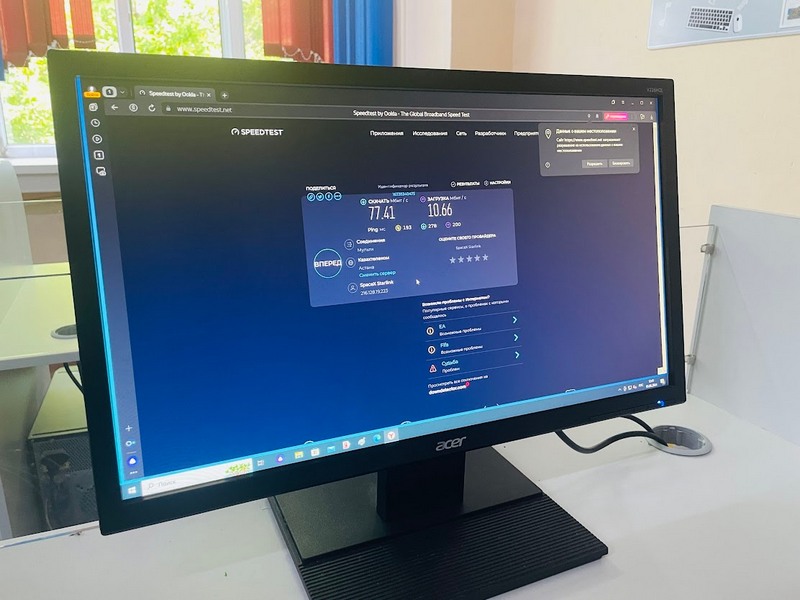
Special attention is paid to rural areas. By the end of 2027, it is planned to build "last mile" networks in dozens of villages, an infrastructure that will bring wired Internet directly to residents' homes.
The introduction of 5G technology is also continuing. Today, a new generation network is already operating in Karaganda, and its coverage will expand. The development of modern communication standards creates additional opportunities for business, education, medicine, and digital services.
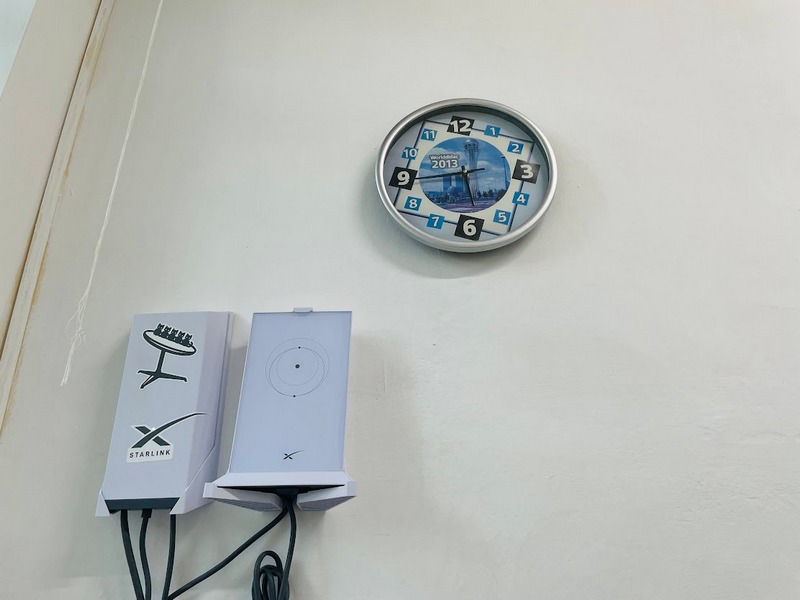
Satellite technologies are used for small and remote settlements where the construction of traditional infrastructure is difficult. Thanks to this, residents of sparsely populated villages and government agencies gain access to the Internet.
A separate area of work is related to the development of tourist areas. New communication facilities are being built along the Karaganda–Balkhash highway and in resort areas, and the existing infrastructure is being upgraded in the Karkaralinsky district.
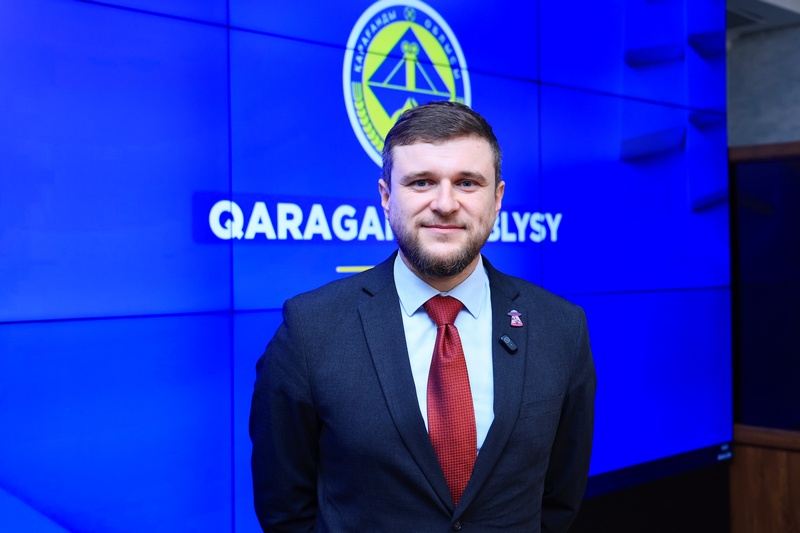
According to Konstantin Ilnitsky, head of the Department of Digital Technologies, all projects are aimed at ensuring that modern digital services are available to residents regardless of their place of residence.
— Our goal is to reduce the digital divide between urban and rural areas. We are consistently developing the communications infrastructure so that residents of even the most remote settlements can use high-quality Internet, government services, educational and medical online services," said Konstantin Ilnitsky.
The implementation of these projects will improve the quality of communications in the region, provide stable Internet access for residents and create additional conditions for the development of the economy and tourism.
A new road safety system has been launched in Karaganda. A smart pedestrian crossing has started operating near the entrance to Central Park on Voinov-Internatsionalistov Street.

The system is designed not only to detect pedestrians crossing the road on a red light but also to identify individuals registered with law enforcement authorities through Face ID technology.
According to the Karaganda Region Police Department, once a violation is detected, the information is instantly transmitted to a nearby police post. Police officers can then promptly take the necessary administrative measures and issue the relevant citation.
The system is currently operating in pilot mode.

The Police Department reminds residents and visitors that, under Article 615 of the Code of Administrative Offences of the Republic of Kazakhstan, crossing the road against a red traffic signal is punishable by a fine of 8,650 tenge. A repeated violation within one year results in a significantly higher fine of 43,250 tenge.

Police urge residents and visitors to strictly observe traffic regulations, cross roads only at designated pedestrian crossings, and do so only when the traffic signal permits. Compliance with these rules helps protect the lives and safety of both pedestrians and other road users.
The recognition of wanted people through urban video doorbells, intelligent intersections without accidents, and new–format PSCs – based on the Apple Store principle - are already being tested and could potentially be scaled up across the country. Approaches to digital transformation and the introduction of artificial intelligence were discussed in the Karaganda region at a meeting with the participation of Deputy Prime Minister - Minister of Artificial Intelligence and Digital Development of the Republic of Kazakhstan Jaslan Madiyev.
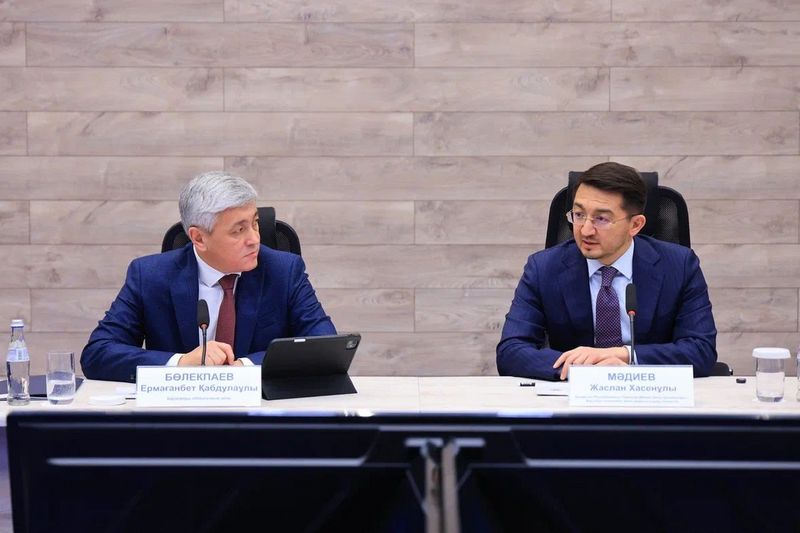
The main topics were the development of telecommunications and cybersecurity the work of IT hubs the reform of public service centers as well as smart city and smart regions projects
The President's Address sets the task of widespread introduction of AI and total digitalization The Karaganda region is currently one of the pilot sites where new technologies are being tested in practice Digital solutions in the field of public safety transport urban infrastructure and data management are already operating in the region in real time
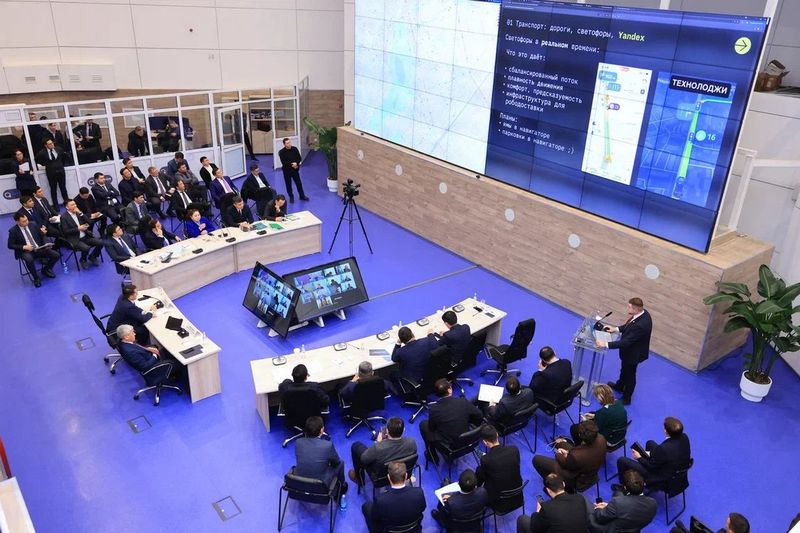
A network of four thousand video surveillance cameras has become the basis of the public security system It includes 180 hardware and software complexes including speed meters intelligent intersections and smart pedestrian crossings There are 22 Arguspedestrian complexes in Karaganda and Temirtau the neural network automatically records violations during pedestrian crossings and transmits materials to the police After their installation, no accidents involving pedestrians were recorded in these areas
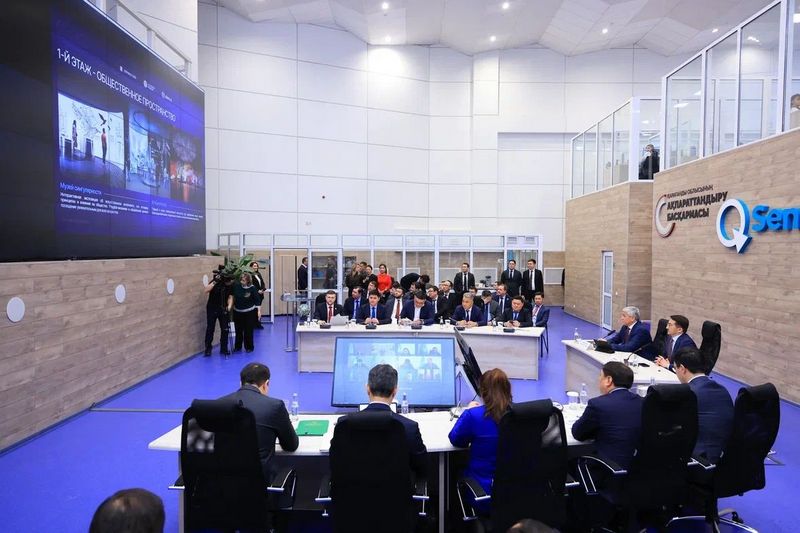
A face recognition system is also being developed integrated with the search databases of the Ministry of Internal Affairs and the Unified Security Information Resource Complex
– There are about 100 face recognition cameras in the region Last year, they identified 268 cases of wanted persons. However, most cameras were originally installed for general video surveillance and are not always suitable for large-scale recognition As a solution, we suggest using urban video doorbells they are optimal in terms of location and angle of installation The pilot project has already been launched in two residential complexes and will be expanded this year as a quick and cost–effective way to enhance public safety" said Konstantin Ilnitsky, Head of the Department of Informatization Public Services and Archives
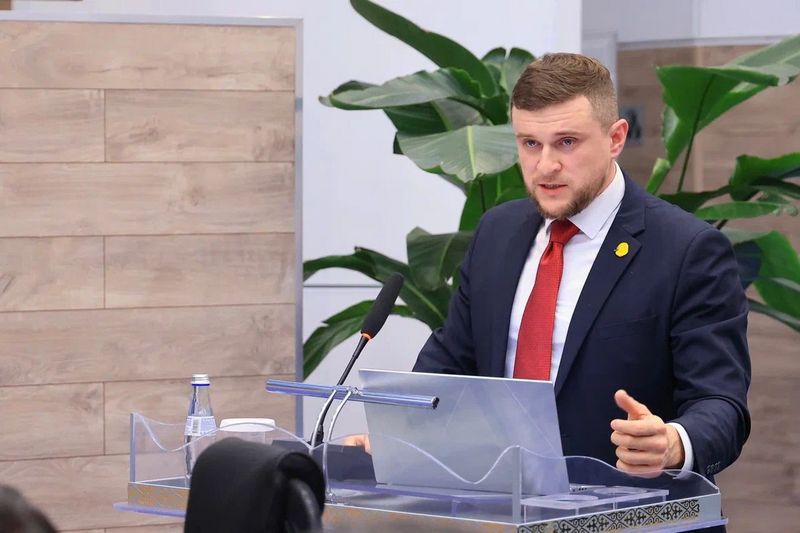
The public services sector is also facing serious changes It is planned to reengineer the PSC with a change in the very philosophy of work the focus is shifting from the process to the result The new approach was presented by the Chairman of the Board of the NGO "Government for Citizens" Arman Kenzhegaliev
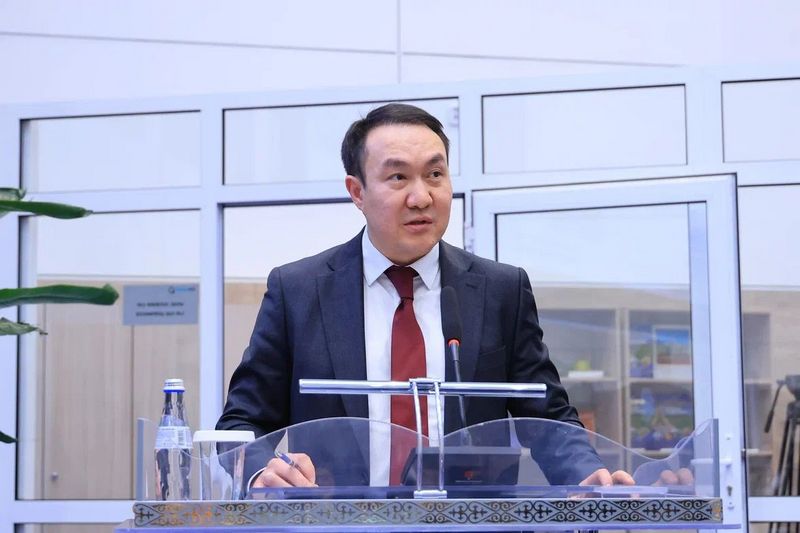
– A citizen should come not for a service but for a solution to his life situation In most cases independently without the participation of an operator The key element of the new model is selfservice terminals based on AlemGPT focused on mass and simple services" he stressed
For more complex queries, tablets with Egov 3.0 digital assistants and biometrics are provided as well as workstations with access to the main government systems The new digital offices will feature service areas consultants self-service terminals information screens workstations and video cameras Through them, it is planned to issue identity cards driver's licenses educational documents apostilled documents and acts of civil status This will reduce the number of repeat visits to the PSC
Projects using artificial intelligence implemented in the Karaganda region and the capital and proposed for scaling in other regions, were presented separately
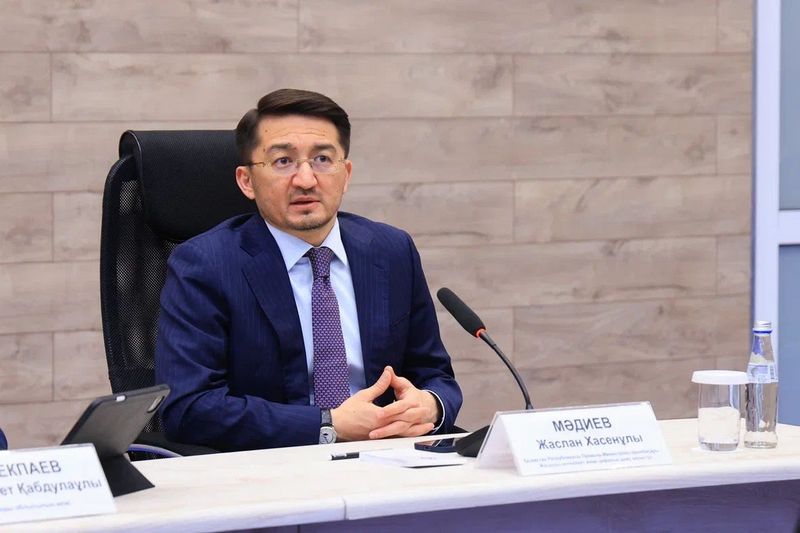
– This year, expectations from digitalization and AI are particularly high and all the necessary conditions have been created for this The country has supercomputing capacities educational initiatives and structured approaches to working with data This forms the basis for systematic interaction between central government agencies and akimats" said Jaslan Madiyev
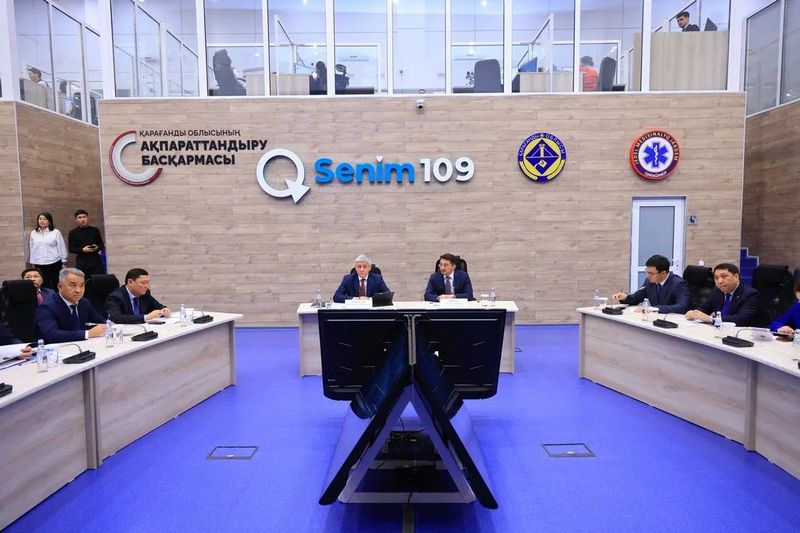
Akim of Karaganda region Ermaganbet Bulekpayev stressed that work on digitalization in the region will continue
– All the solutions presented will be elaborated and implemented in detail I am sure that joint work will significantly improve the quality of life of the population" said the head of the region
Digital technologies and artificial intelligence are being actively introduced in the Karaganda region A new project developed by IT specialists in the region will allow motorists to find free parking spaces using surveillance cameras and computer vision technology
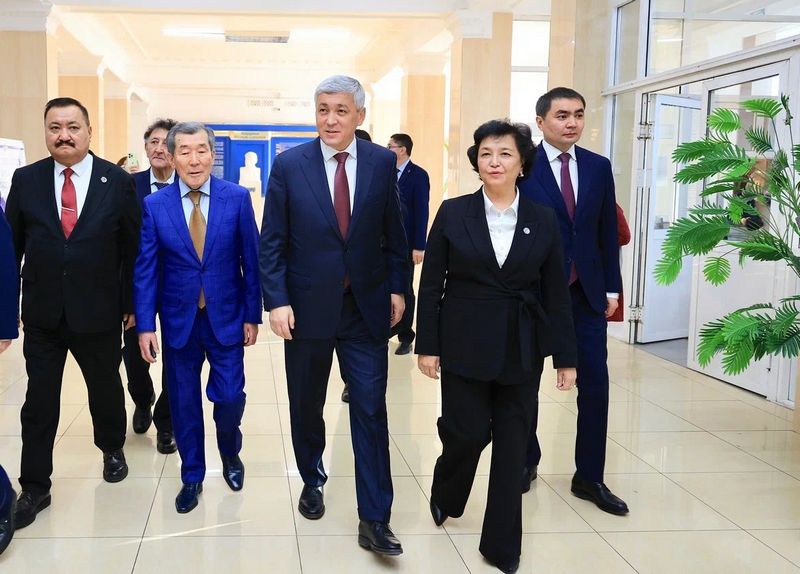
The development of digitalization and the implementation of the tasks set by the Head of State in his Address to the people of Kazakhstan were discussed at a meeting chaired by Akim of the region Ermaganbet Bulekpayev at Karaganda Technical University named after Abylkas Saginov
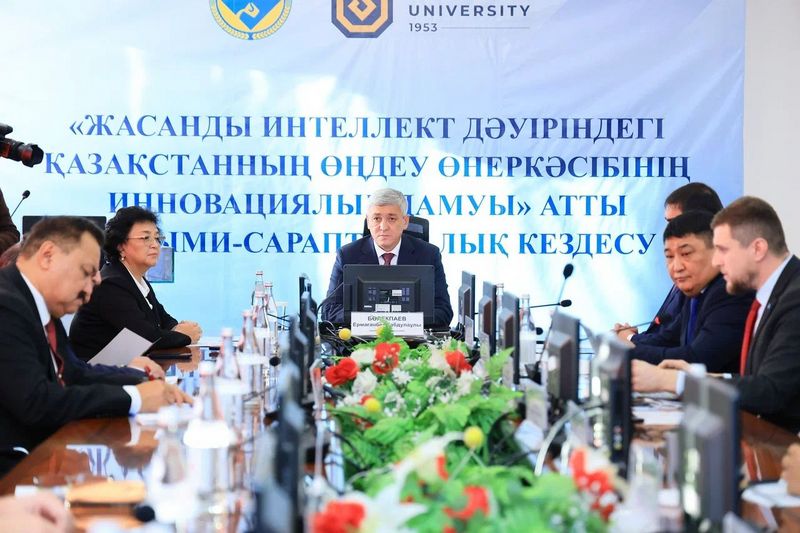
– We are entering a new industrial stage where technology and artificial intelligence are becoming the backbone of the economy Digital twins vision algorithms, and automation systems are already being used in our enterprises These technologies make it possible to increase productivity improve environmental performance and reduce costs making the region's industry more sustainable and competitive" said the head of the region
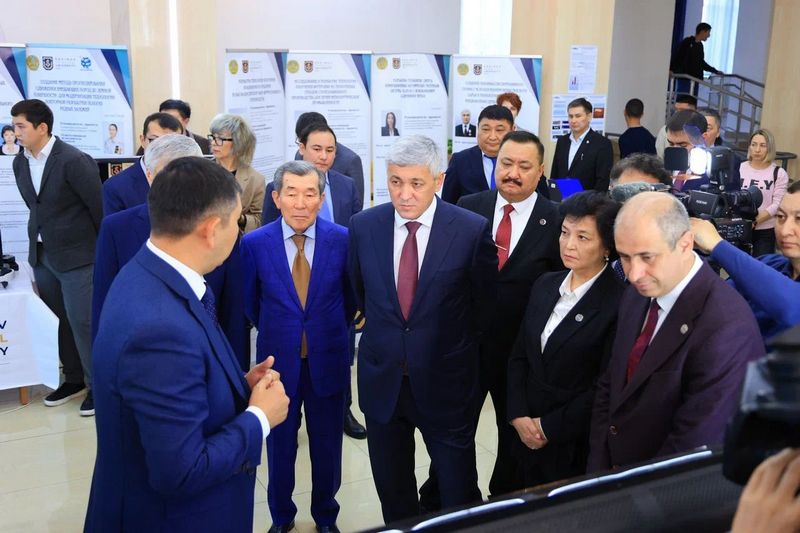
Karaganda Technical University named after Abylkas Saginov entered the national AISana program
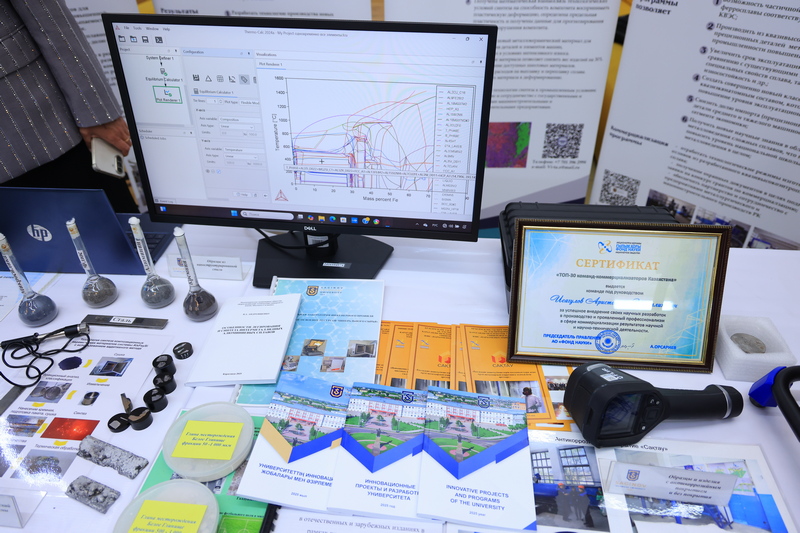
The initiative aims to train specialists in artificial intelligence data analysis robotics, and digital manufacturing
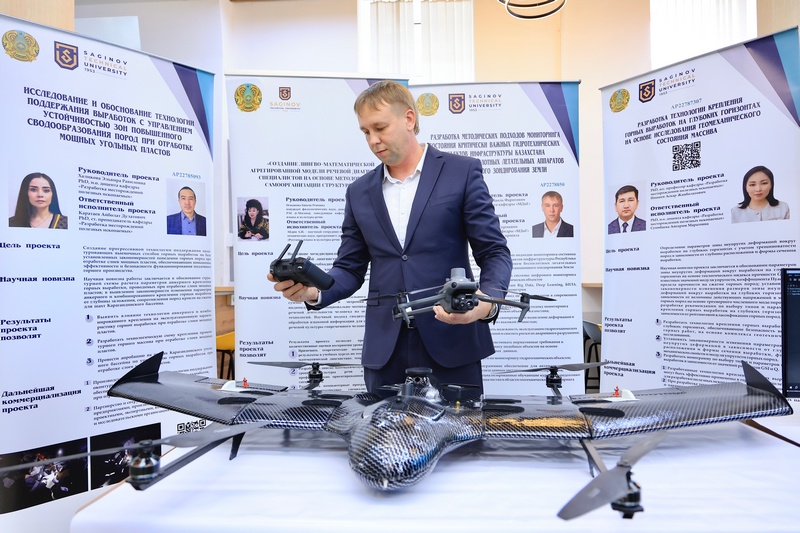
The meeting featured developments by scientists and students drones for monitoring hydroelectric facilities
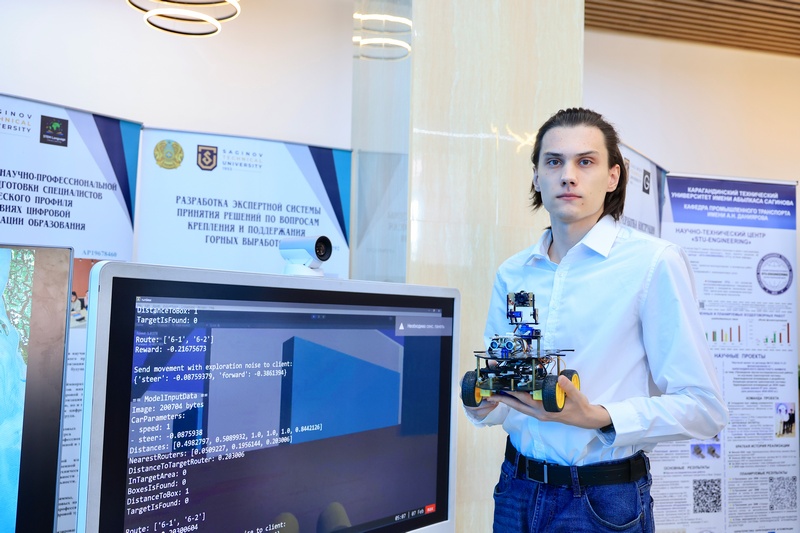
systems for monitoring the technical condition of mine workings mines and quarries 3D printers
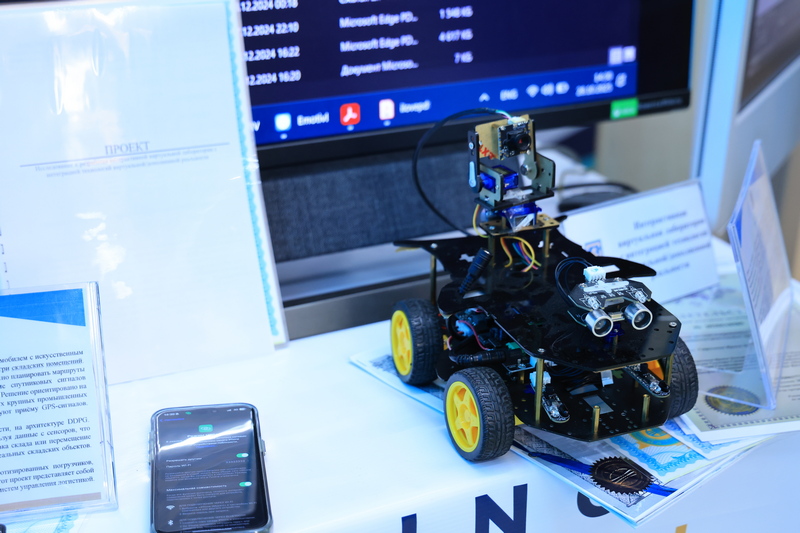
smart solutions for cities, and much more
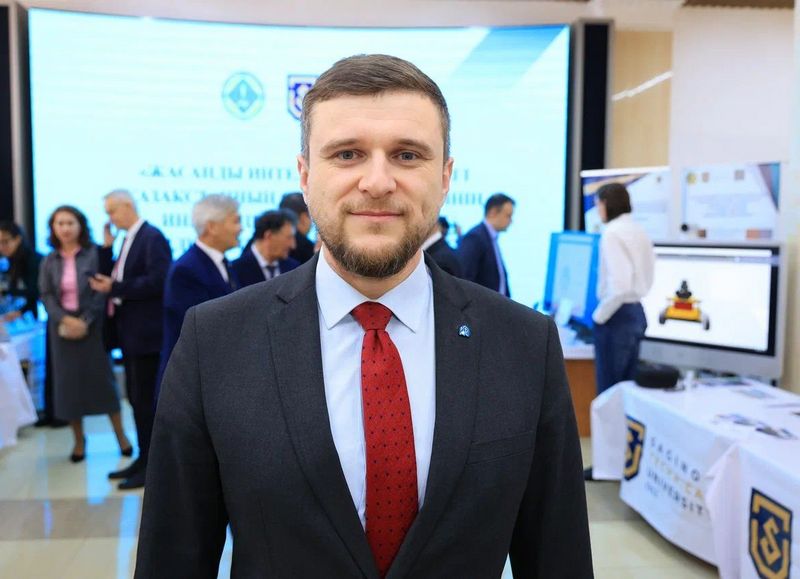
Konstantin Ilnitsky, Head of the Department of Informatization Public Services and Archives, spoke about the implementation of the Smart Region concept Artificial intelligence helps to monitor the condition of roads control traffic lights and inventory green spaces
– We are working on a new project that will make life easier for motorists The system uses city cameras to determine available parking spaces and transmits the data to navigation applications During testing, it proved to be effective" Konstantin Ilnitsky explained
He showed how it really works using the example of parking near the railway station
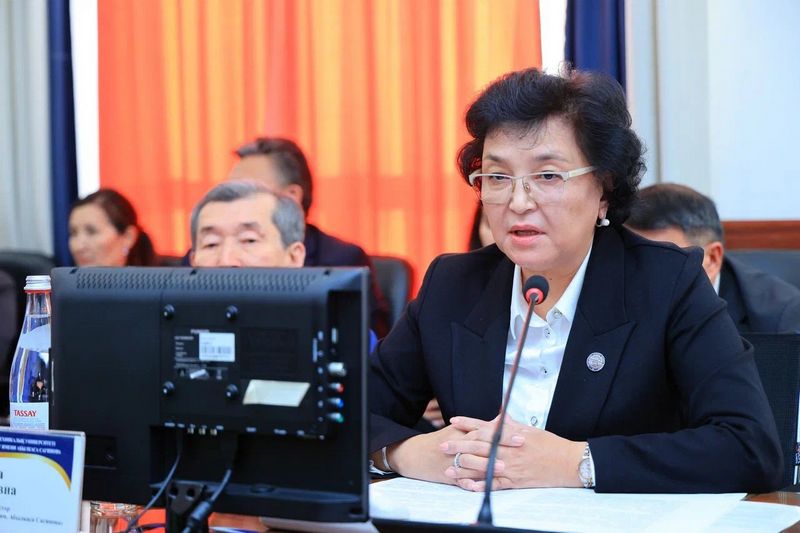
Saule Sagintayeva Rector of Abylkas Saginov Karaganda Technical University, spoke about the introduction of digital solutions into the educational process
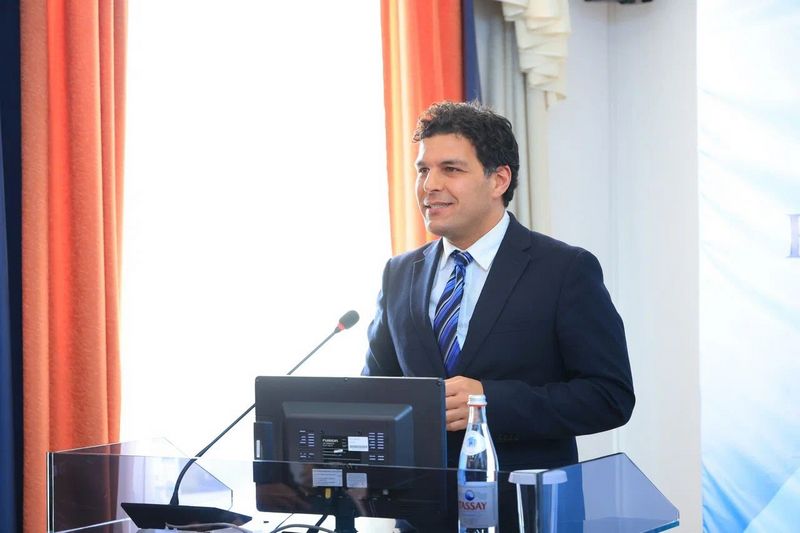
At the meeting, we listened to the position of an international expert They also gave the floor to the student who presented his startup
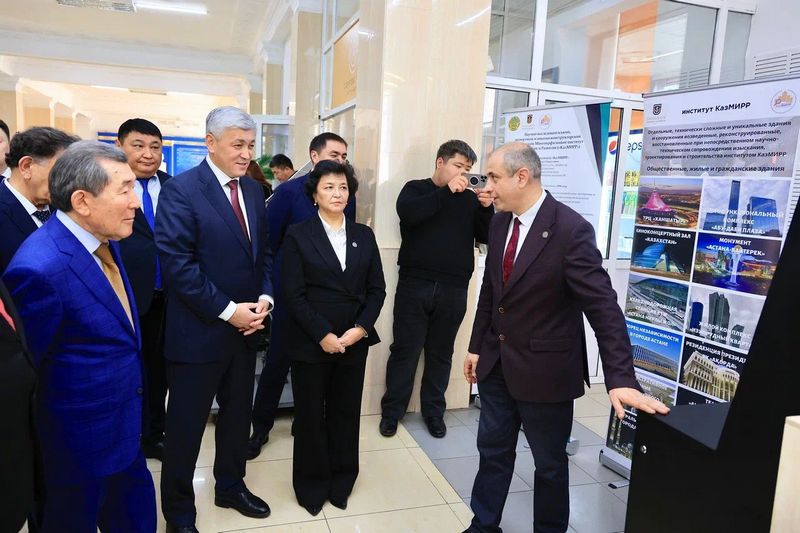
Following the meeting, the governor of the region instructed to develop a regional plan for the development of artificial intelligence and strengthen cooperation between science business and industry
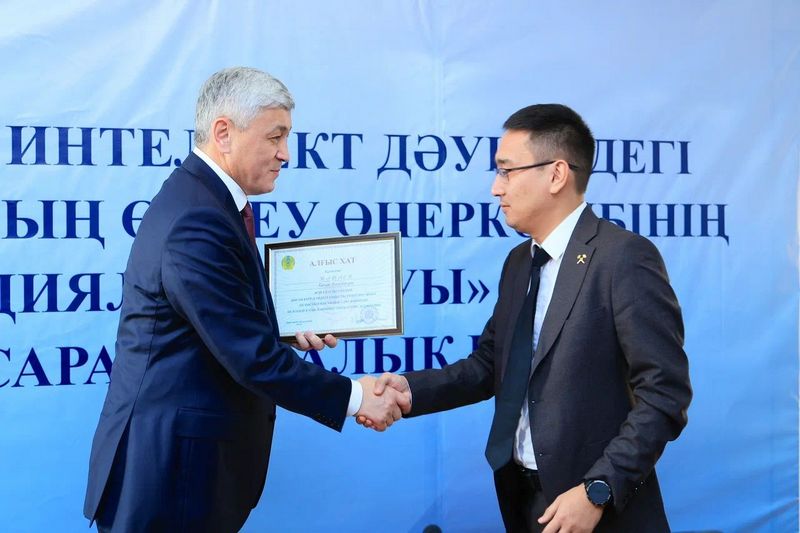
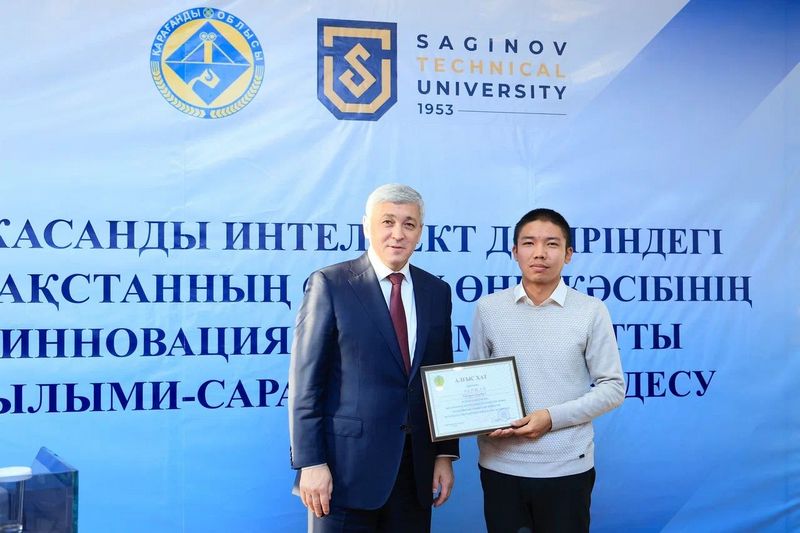
Ermaganbet Bulekpayev also presented letters of thanks to the university staff for their contribution to the development of science
The Karaganda region holds the position of one of the leaders of e-commerce in Kazakhstan Thanks to the development of the domestic Teez marketplace and the active involvement of local businesses, the region is demonstrating high rates of retail digitalization Today, almost every fifth online order in the country is in Karaganda
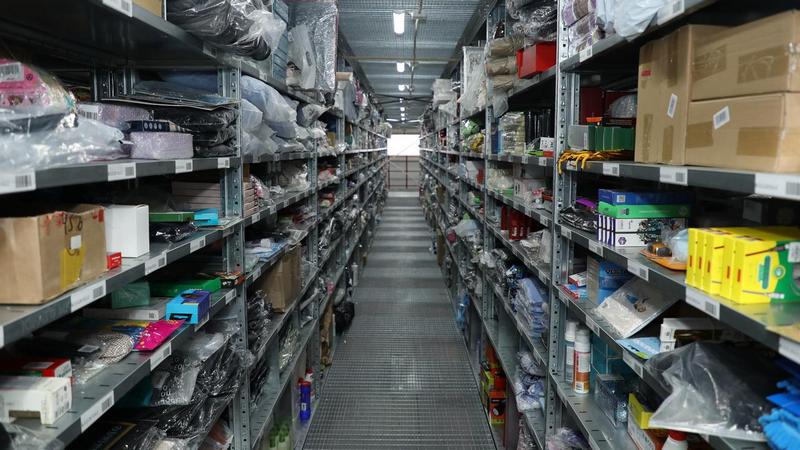
Teez is a rapidly growing Kazakhstani online trading platform with a minimum delivery time of just one day It started working in September 2024 Already in January 2025, the number of orders from Karaganda residents through the marketplace exceeded 2.3 million units which accounted for 17.8% of the total volume in Kazakhstan
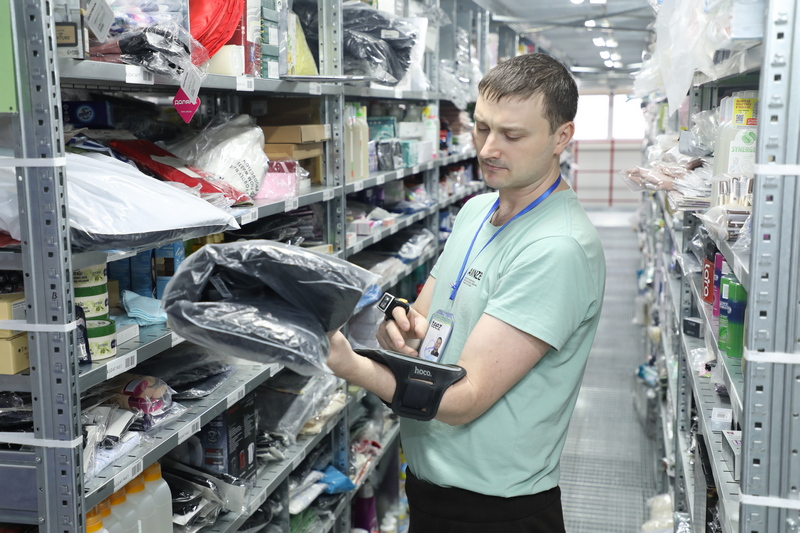
After a year of operation in September 2025 Teez is already successfully processing 10,000 orders daily delivering purchases in 30 cities of Kazakhstan
For businessmen from Karaganda and other regions Teez is a great opportunity to sell and promote their products Currently, 37 thousand domestic entrepreneurs are represented on the online platform
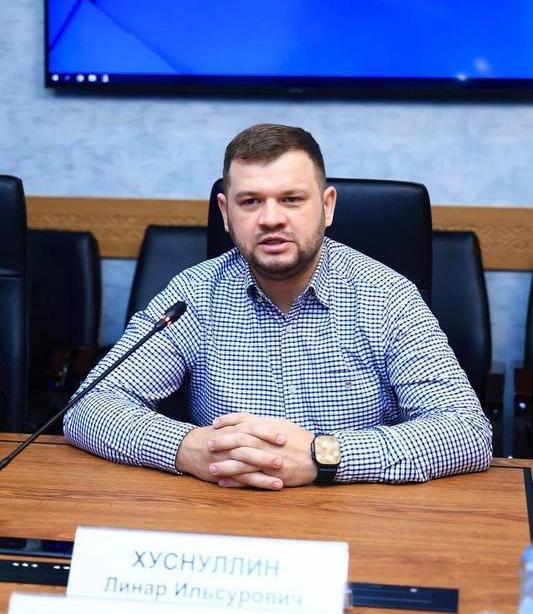
— We want every Kazakhstani brand to have the opportunity to compete on equal terms with international players To do this, we are creating an ecosystem low commission free storage promotion support and fast delivery" said Linar Khusnullin, CEO of Teez
The presence of the marketplace in the Karaganda market also means the availability of additional jobs Today, more than 350 residents of the regional center work in Teez The company plans to increase its staff to eight thousand people throughout Kazakhstan
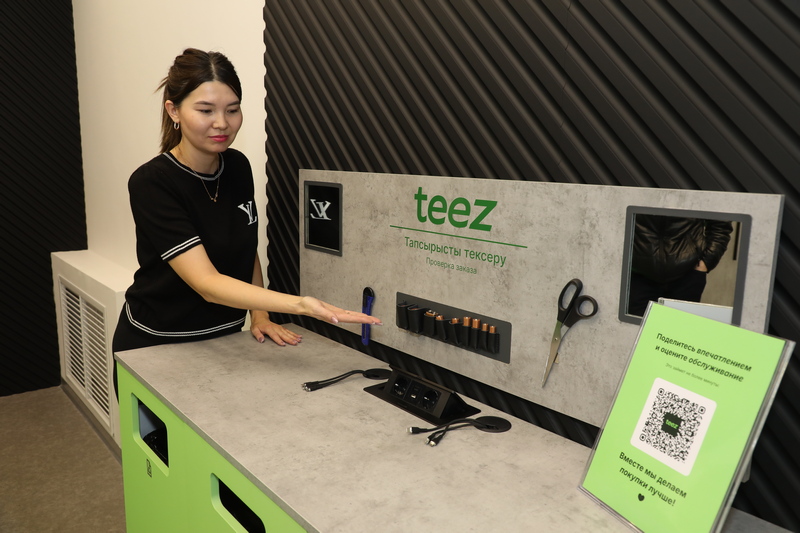
The development of e-commerce has a positive impact on related industries such as logistics courier services and catering
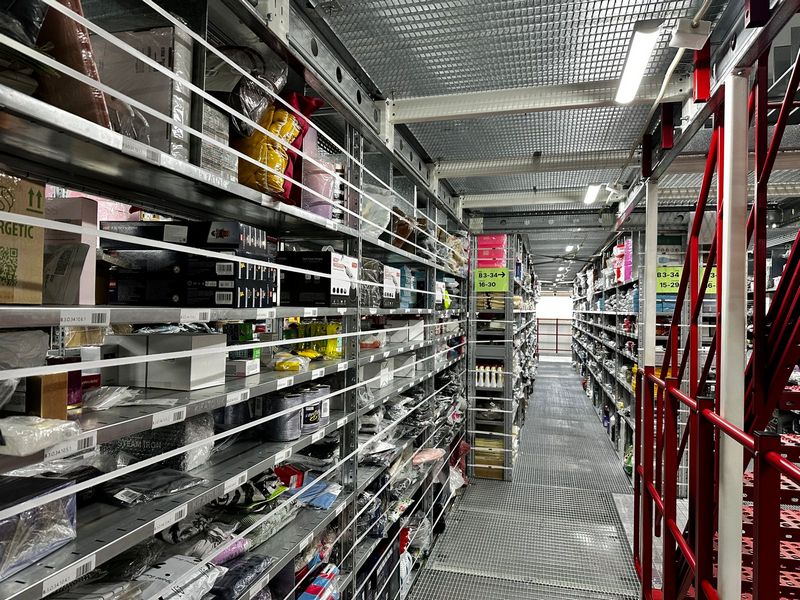
During a working trip to Karaganda in November last year, the Minister of Trade and Integration of the Republic of Kazakhstan Arman Shakkaliyev stressed that, taking into account the geographical location and infrastructure, the Karaganda region can become not only Kazakhstan's main trade and logistics center but also a Central Asian hub
The service for recognizing educational documents is now available in the eGov Mobile app. It allows citizens to easily verify the authenticity of secondary and post-secondary education documents directly from their mobile device. Previously, the service was available on the eGov.kz portal.
The process of obtaining duplicates of lost documents and confirming the fact of study abroad is also made much easier by the new service. This allows users to quickly and conveniently issue a certificate of authenticity for previously received educational certificate, recover a lost document or confirm a foreign education.
To get the service, follow the steps:
- log in to the eGov Mobile app and go to the "Services" section — "Education";
- select the "Recognition of secondary, technical, vocational and post-secondary education documents" service;
- fill-in the required fields, attach documents and grant your consent to the use of personal data;
- sign an application using Face ID/Touch ID.
The user can track the results and status of the application in the personal account.
The service was launched thanks to the cooperation of the Public Services Committee of the Ministry of Digital Development, Innovations and Aerospace Industry of the Republic of Kazakhstan, National Information Technologies JSC and Ministry of Education of the Republic of Kazakhstan.
A housing certificate is issued to families in need of housing and with insufficient income to cover part of the down payment on a mortgage housing loan. The eGov.kz portal now offers an online service for obtaining a certificate.
The certificate is issued subject to the purchase of housing under the mortgage programme approved by the National Bank of the Republic of Kazakhstan or under the state housing construction programme. The scope and list of categories of housing certificate recipients are determined by local executive bodies.
A housing certificate is granted as social assistance under the following conditions:
- the applicant and the members of his/her family permanently residing with him/her (spouse and minor children) have an average income over the last 6 months from employment and/or entrepreneurial activities that does not exceed the established limit;
- average income excludes pension contributions, personal income tax and other compulsory deductions;
- Children under the age of 23 who are in full-time education are included.
To get a housing certificate online, the user needs to:
- Log in to the eGov.kz portal and go to the "Real Estate – Housing relations" section.
- Select "Issuance of housing certificates"from the list and fill-in the required fields.
- Sign the service using a DS.
- Familiarize with the public service delivery result in your personal account (https://kezekte.kz /).
The new service was launched thanks to the cooperation of the Ministry of Industry and Construction, the Public Services Committee of the Ministry of Digital Development, Innovations and Aerospace Industry of the Republic of Kazakhstan and National Information Technologies JSC.
According to the National Fund for Children program, 50% of the investment income of the National Fund of the Republic of Kazakhstan is distributed once a year among children who are citizens of the Republic of Kazakhstan, who were born in 2006 and later. In February 2024, based on the results of 2023, the first target requirements were accrued to all children in the UAPF, and citizens who reached 18 years of age in 2024 were credited with target savings (TS) on target savings accounts (TSA) and payments began to be made.
The procedure for using TS for the purpose of improving housing conditions and/or paying for education is defined by:
- the Resolution of the Government of the Republic of Kazakhstan dated January 18, 2024 No. 16,
- Order of the Minister of Industry and Construction of the Republic of Kazakhstan dated February 26, 2024 No. 76 On approval of the Rules for the use of payments of target savings from the unified accumulative pension fund for the purpose of improving housing conditions in accordance with the legislation of the Republic of Kazakhstan and
- Joint order of the Minister of Science and Higher Education of the Republic of Kazakhstan dated February 7, 2024 No. 51 and the Minister of Education of the Republic of Kazakhstan dated February 12, 2024 No. 29 On approval of the Rules for the use of payments of target savings from the unified accumulative pension fund for the purpose of paying for education in accordance with the legislation of the Republic of Kazakhstan.
The step-by-step algorithm of actions can be presented as follows:
- A child who has reached the age of 18 (recipient of the TS) or his legal representative can check the target savings independently in the personal account on the website enpf.kz, in the UAPF mobile application or on the egov.kz portal.
For your information, we inform you that for the 2023 reporting year, all TS recipients were credited with 100.52 US dollars.
- The TS recipient (or his/her legal representative) applies to the AO, where he/she opens a bank account in US dollars in the name of the TS recipient, submits an online application for TS payment through the AO Internet resource.
- The AO, within 2 business days after reviewing and approving the application for payment, sends an electronic notification to the UAPF about the registered application for payment.
- UAPF, within 5 business days from the date of receipt of the electronic notification from the AO, transfers to it the amount of the TS payment specified in the application for subsequent crediting to the bank account in US dollars of the TS recipient opened by the AO, or informs about the refusal indicating the reason.
- The TS recipient or his legal representative, within 45 business days from the date of receipt of the TS amount to the bank account, provides the AO with documents confirming the intended use of TS payments.
- Within 10 business days from the date the TS recipient provides the documents, the AO verifies them and transfers TS payments for their intended purpose.
- If the TS recipient (or his legal representative) fails to provide documents within 45 business days, the TS payment amount held by the AO is returned to the UAPF.
You can read the terms of the program, get instructions, and answers to your questions on the website kids.enpf.kz and on the БЖЗҚ ЕНПФ YouTube channel. We also note that a video instruction on the implementation of the National Fund for Children program, the algorithm of actions before and after the child reaches adulthood is posted on the БЖЗҚ ЕНПФ YouTube channel at the link: https://www.youtube.com/watch?v=HHQNAxfskX8.
Let us note that for 7 months of program implementation, as of August 1, 2024, UAPF JSC executed (transferred to authorized operators for crediting to the bank accounts of applicants) 16,891 applications for a total amount of about USD1.7 million, of which for the purpose of improvement housing conditions, 9,544 applications were executed in the amount of about USD956.7 thousand, for payment of education - 7,347 applications in the amount of about USD736.9 thousand. In this case, the recipient of target savings has the right to use the entire amount or part of it, the remainder of the unused amount remains in the target savings account (TSA).
The most popular sub-goals for using funds for home improvement were: replenishment of a contribution to housing construction savings for further accumulation (9,189 applications were completed for a total of approximately USD921.2 thousand), acquisition of housing in ownership through civil law transactions (final settlement) - 115 applications for a total of over USD11.5 thousand, making a down payment to obtain a mortgage housing loan for the acquisition of housing - 99 applications for a total of USD9.9 thousand.
The most popular sub-goals in the context of paying for education were: payment for educational services of educational organizations located in the territory of the Republic of Kazakhstan, in installments (for each academic period or academic year) or in full at one time (for the entire period of study) (5,884 applications were completed for an amount of more than USD 590.1 thousand), replenishment of an educational savings deposit under an agreement on an educational savings deposit (1,078 applications were completed for an amount of about USD108.2 thousand), payment for educational services of foreign educational organizations in installments (for each academic period or academic year) or in full at one time (for the entire period of study) (301 applications were completed for an amount of more than USD30.1 thousand).
Detailed information on payments of target savings for the purpose of improving housing conditions and (or) paying for education, broken down by authorized operators and regions, can be found on the website enpf.kz.
UAPF was founded on August 22, 2013 on the basis of GNPF APF JSC. The founder and shareholder of the UAPF is the Government of the Republic of Kazakhstan represented by the State Institution Committee of State Property and Privatization of the Ministry of Finance of the Republic of Kazakhstan. Trust management of UAPF pension assets is carried out by the National Bank of the Republic of Kazakhstan. In accordance with the pension legislation, the UAPF attracts compulsory pension contributions, employer’s compulsory pension contributions, compulsory occupational pension contributions, voluntary pension contributions, as well as carries out enrollment and accounting of voluntary pension contributions formed at the expense of the unclaimed amount of guaranteed compensation for the guaranteed deposit, transferred by the organization carrying out mandatory guarantee of deposits, in accordance with the Law of the Republic of Kazakhstan "On mandatory guarantee of deposits placed in second-tier banks of the Republic of Kazakhstan", ensures the implementation of pension benefits. The Fund also carries out accounting of target assets and target requirements, accounting and crediting of target savings (TS) to target savings accounts, payments of TS to their recipients in bank accounts, accounting for returns of TS in the manner determined by the Government of the Republic of Kazakhstan within the framework of the National Fund for Children program (More details at www.enpf.kz).