Меню
Страницы
Статья
30th anniversary of Kazakhstan's Independence
This exhibition is dedicated to the 30th anniversary of Independence of the Republic of Kazakhstan. As it is also called the "Land of the Great Steppe", is the ninth largest country in the world.
The country has two time zones. Considering the vast territory of Kazakhstan there are many different climatic zones and zones that are not similar to each other.
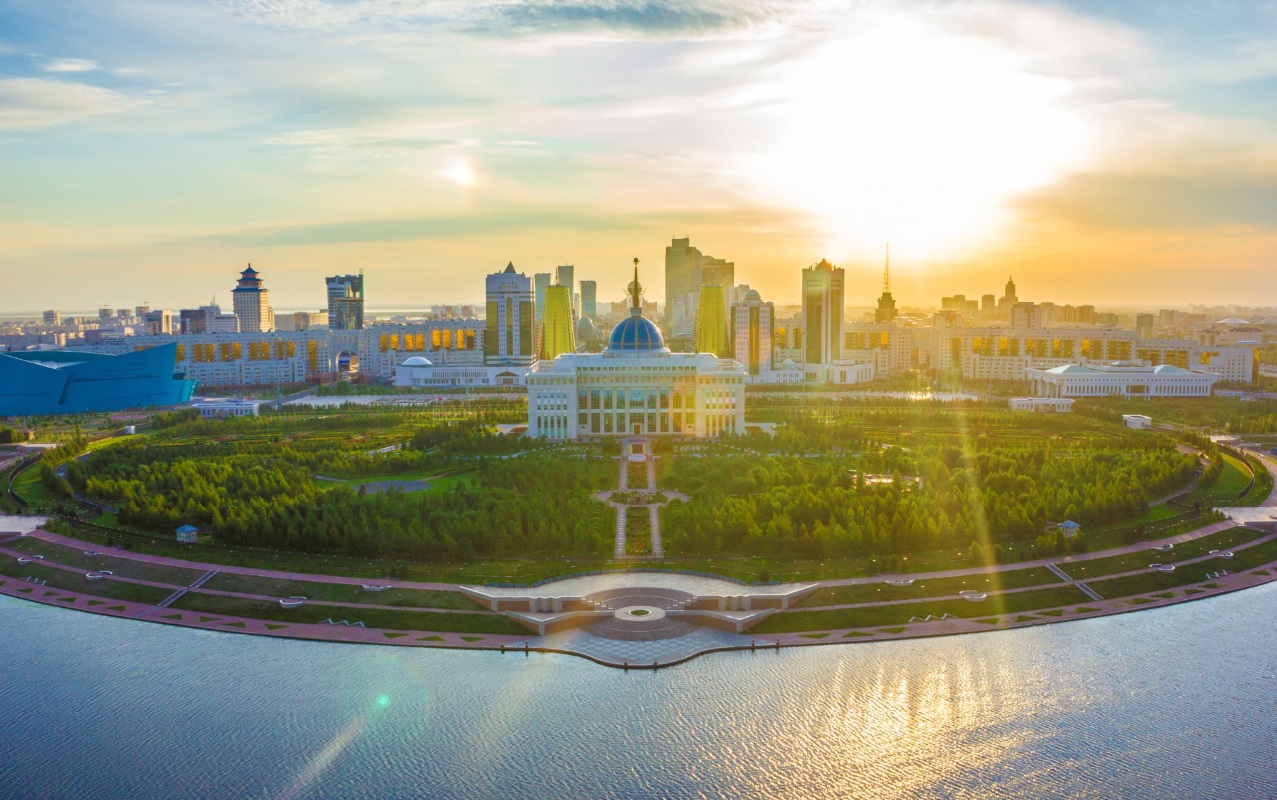
Nur-Sultan
On July 6, 1994 in Kazakhstan the decision was made to relocate the capital. In 1997 the capital of the country was moved from Almaty to Nur-Sultan (Akmola at that time). Within a short period of time a modern city was built, which has been awarded the UNESCO award "City of Peace".
Today Nur-Sultan is a major administrative center of Kazakhstan, which grew up in the middle of the steppe and, contrary to skepticism, became a city that sets the tone for the innovative development of Kazakhstan. The city's development plan was drawn up by renowned architects of modern times, such as Norman Foster and Kisho Kurokawa, thanks to whom the city has acquired the architecture of the future. The city's population exceeds one million.
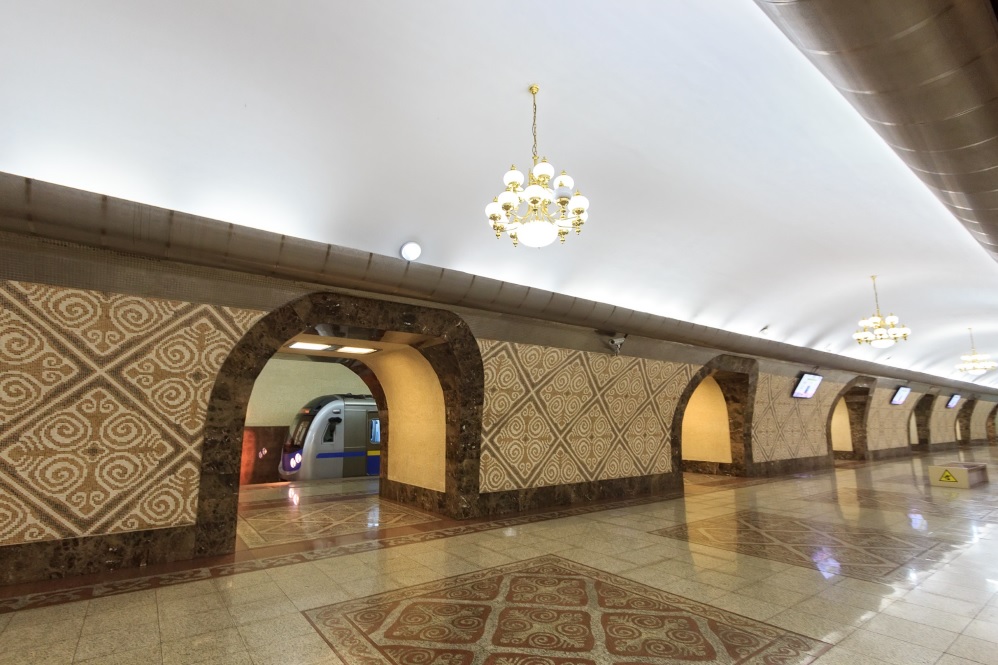
Almaty Metro
Over the years of independence, Kazakhstan, whose population is almost 19 million people, has built a successfully functioning model of market economy, which is the second largest in the entire post-Soviet space.
In 2011, Kazakhstan's largest city, Almaty (population 2 million), opened its subway.
Almaty is located at the foot of Kungey Alatau in the valleys of mountain rivers. The city is famous for its parks, architecture, fountains, museums, modern subway, panorama of mountain peaks, and plenty of restaurants and cafes.
Almaty's landmarks are the world's highest television tower above sea level, the world's largest alpine sports complex - Medeo, and the world famous Shymbulak ski resort.
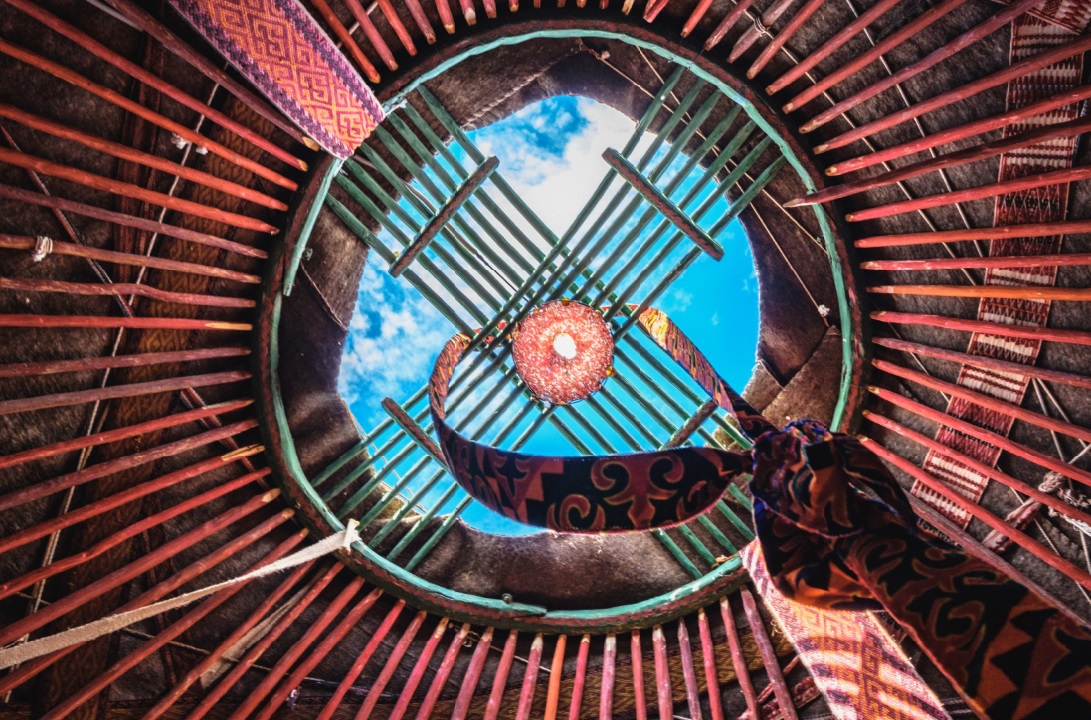
Shanyrak
Shanyrak is the dome of a yurt. It is a symbol of well-being, peace and serenity. It is not by chance that the Shanyrak is the central element of the coat of arms of Kazakhstan, a country in which representatives of more than 120 nationalities live peacefully, including about 5 thousand Lithuanians.
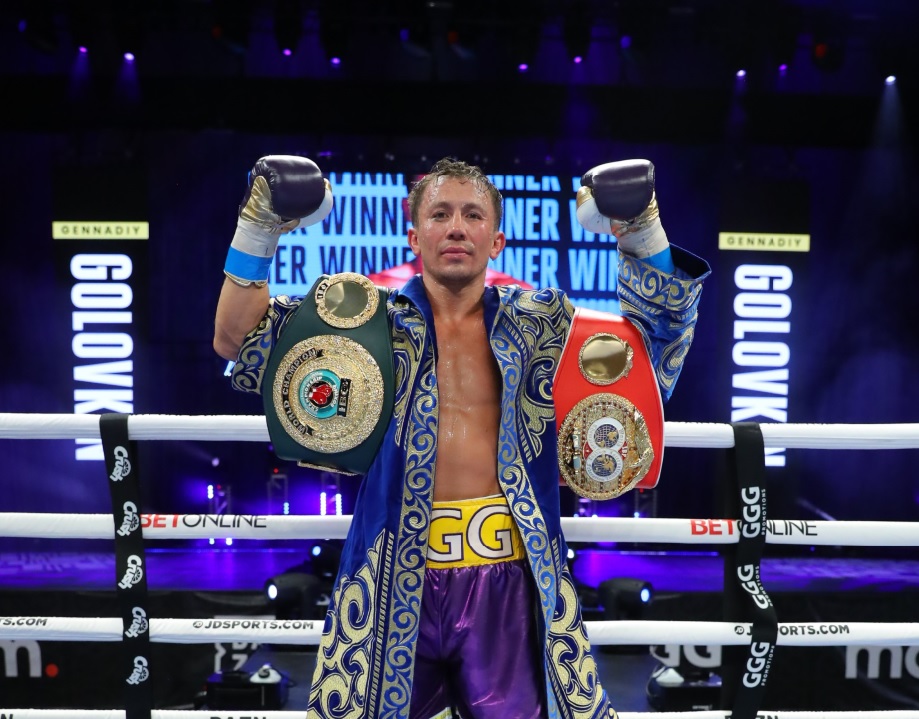
Gennady Golovkin
Boxing is one of the most popular sports in Kazakhstan. Kazakh athletes have achieved the highest results in this Olympic sport.
The photo shows Kazakhstani professional boxer Gennady Golovkin in the middleweight category. Silver medalist of the Olympic Games (2004), world champion (2003) in the amateur category. Among professionals, twice IBF and IBO world champion. Reigning IBF (2015-2018, 2019 - n.a.) and IBO (2011-2018, 2019 - n.a.) world champion, and former WBA (2010-2018), WBC (2016-2018), and The Ring (2018-2018) middleweight world champion.
Best boxer regardless of weight class according to The Ring (Sept. 27, 2017-Sept. 15, 2018.). Ranked as the 60th best boxer of all time regardless of weight class (BoxRec).
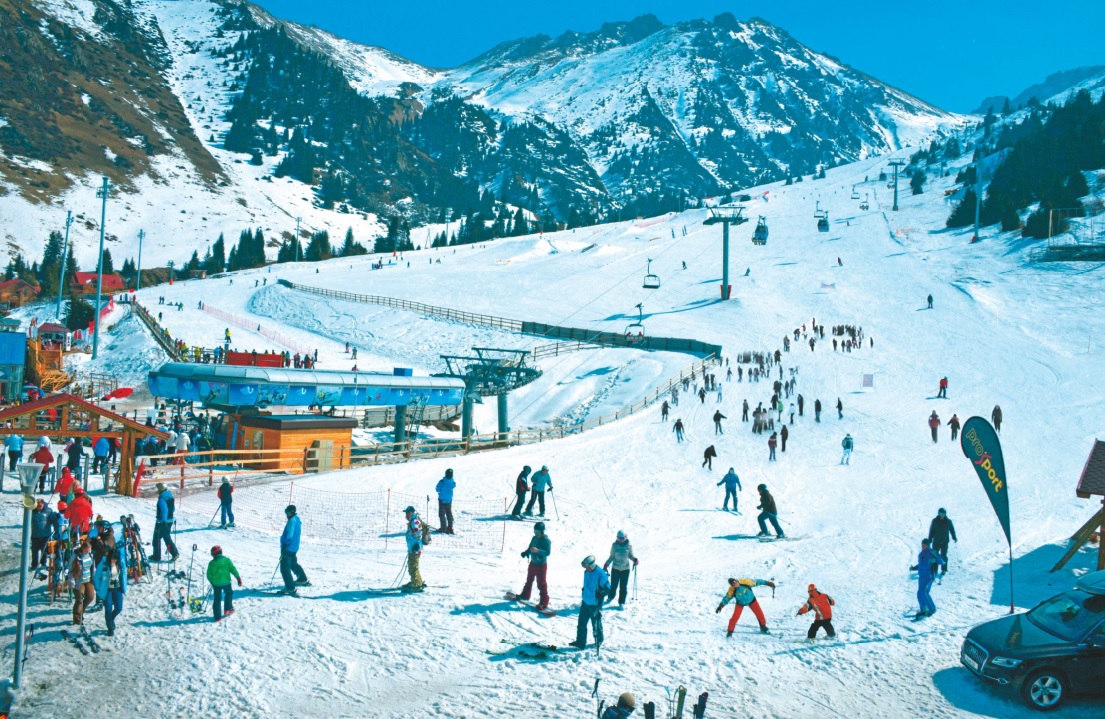
Shymbulak
A popular ski resort located in the Zailiysky Alatau Gorge, just a 15-minute drive from downtown Almaty. In 2014, Prince Harry and his sweetheart visited the resort.
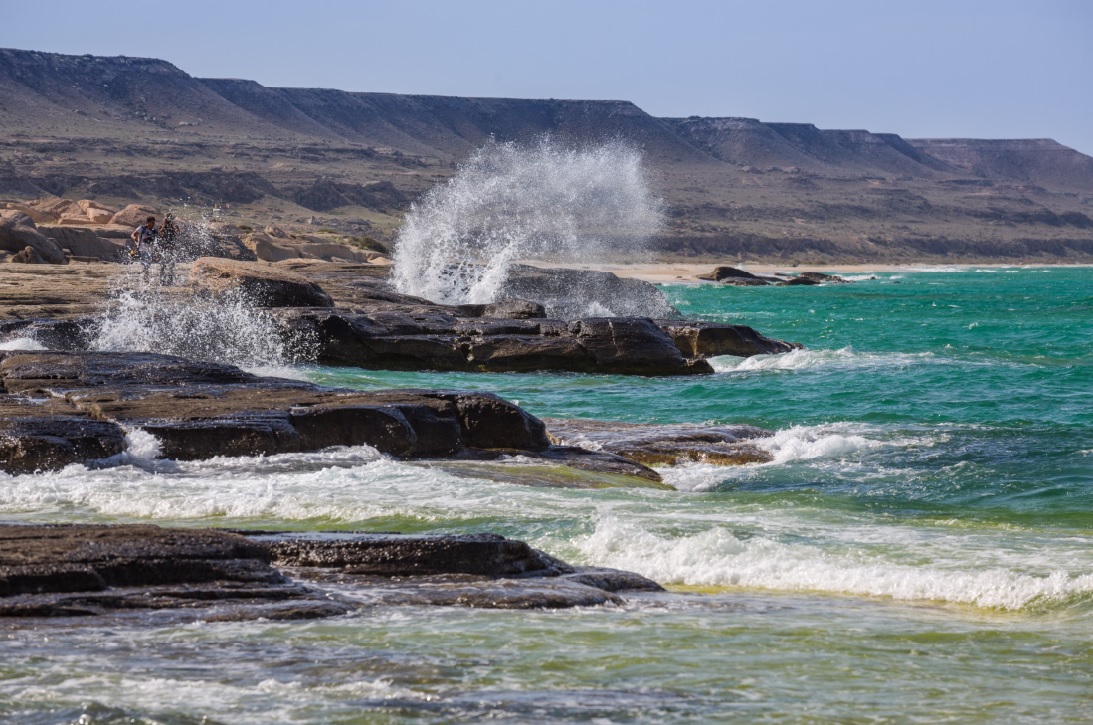
Caspian Sea
The Caspian Sea has an area of 371,000 sq. km, which is equal to the area of the Baltic Sea. It is considered the largest enclosed body of water on Earth and the largest undrained lake.
The Caspian Sea washes the borders of 5 states: Kazakhstan, Russia, Azerbaijan, Turkmenistan, and Iran, but the longest coastline is on the territory of Kazakhstan. In the western part of Kazakhstan on the coast of the Caspian Sea are the largest cities where travelers can stay - Aktau and Atyrau.
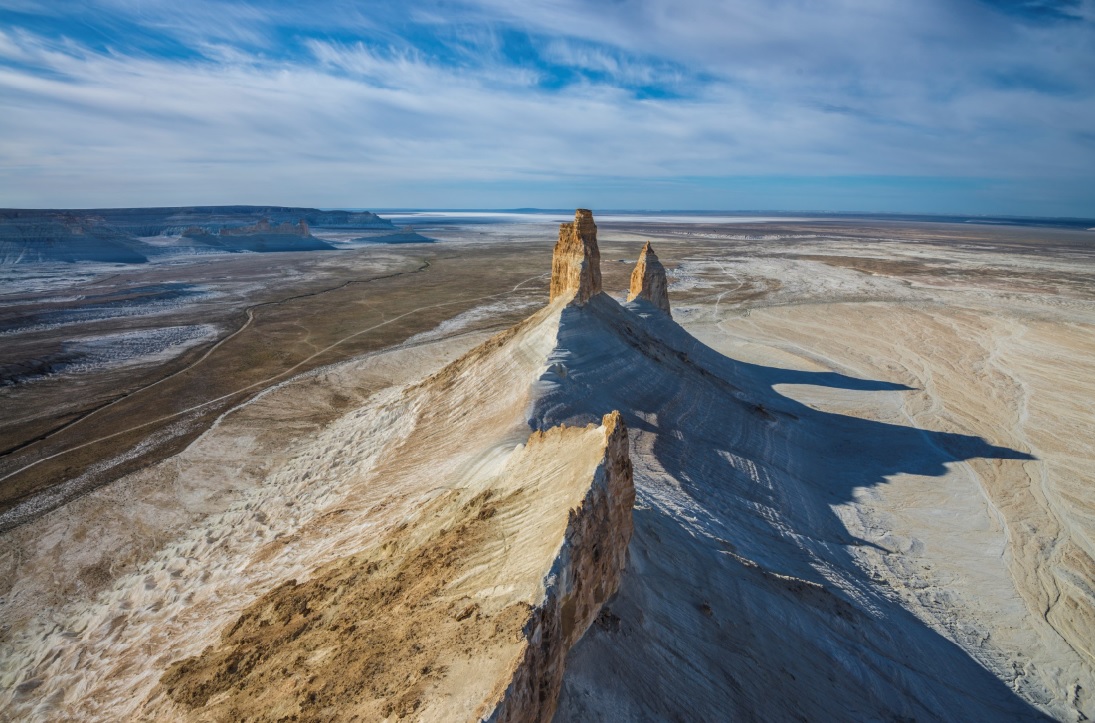
Mangystau
The Mangystau Peninsula in western Kazakhstan is famous for its Martian landscapes. The peninsula is hundreds of kilometers of rocky Caspian coastline, hundreds of kilometers of desert and golden sandy beaches. It is here that the famous "Rally Kazakhstan" race takes place.
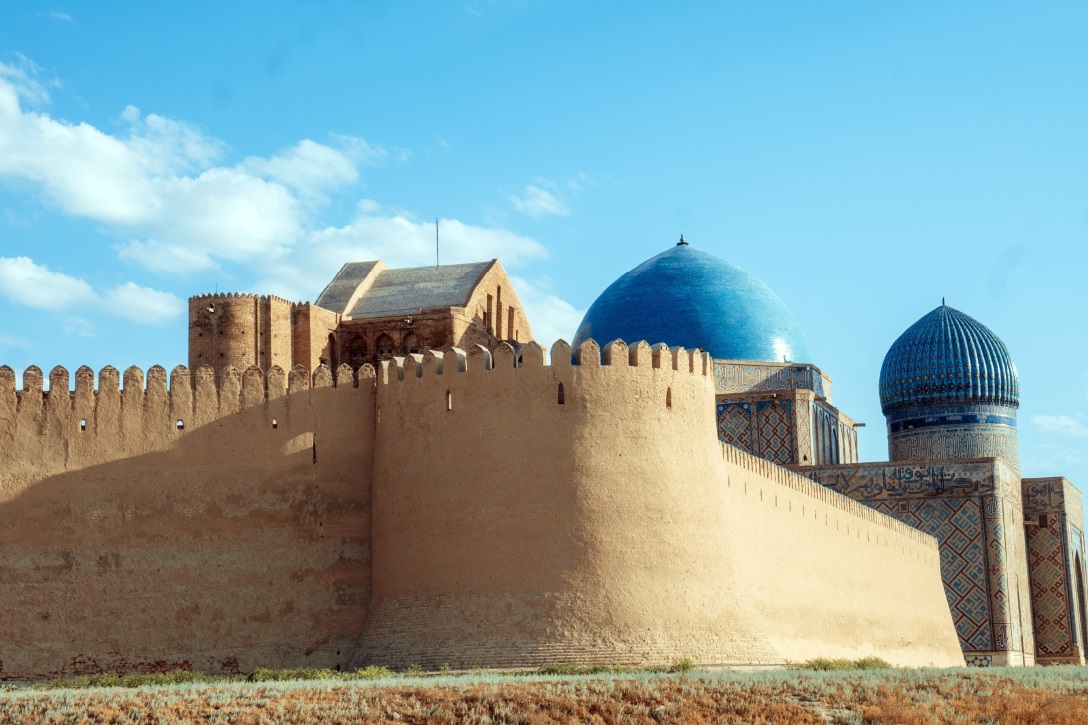
Turkestan
Kazakhstan is a country with a rich history. The southern part of modern Kazakhstan was the main section of the Great Silk Road.
From the border of China, trade caravans moved through the cities of Sairam, Yassy, Otrar, Taraz, further to Central Asia, Persia, the Caucasus and from there to Europe.
Since those times, the cities of Taraz and Turkestan have survived in Kazakhstan.
The ancient city of Turkestan is a holy city for the Turkic world. The gem of the city is the Mausoleum of Khoja Akhmet Yasawi, which was built back in the 14th century by the order of Amir Timur, in honor of the poet and Sufi Akhmet Yasawi. This mausoleum is a UNESCO heritage site.

Dimash Qudaibergen
Modern Kazakhstan is going through a period of national revival. Folk crafts, folk customs, rituals and national sports, national education and Kazakh language are being revived.
The photo shows Dimash Kudaibergen, a famous singer, composer and multi-instrumentalist. In 2017, Dimash won several music awards, including "Best Asian Singer" at the 24th China Music Awards in China (considered the Chinese equivalent of the Grammys), and "Most Popular Foreign Singer" at the Tencent MTV Asia Music Gala. Dimash is known for his wide vocal range, spanning 6 octaves, 5 semitones.
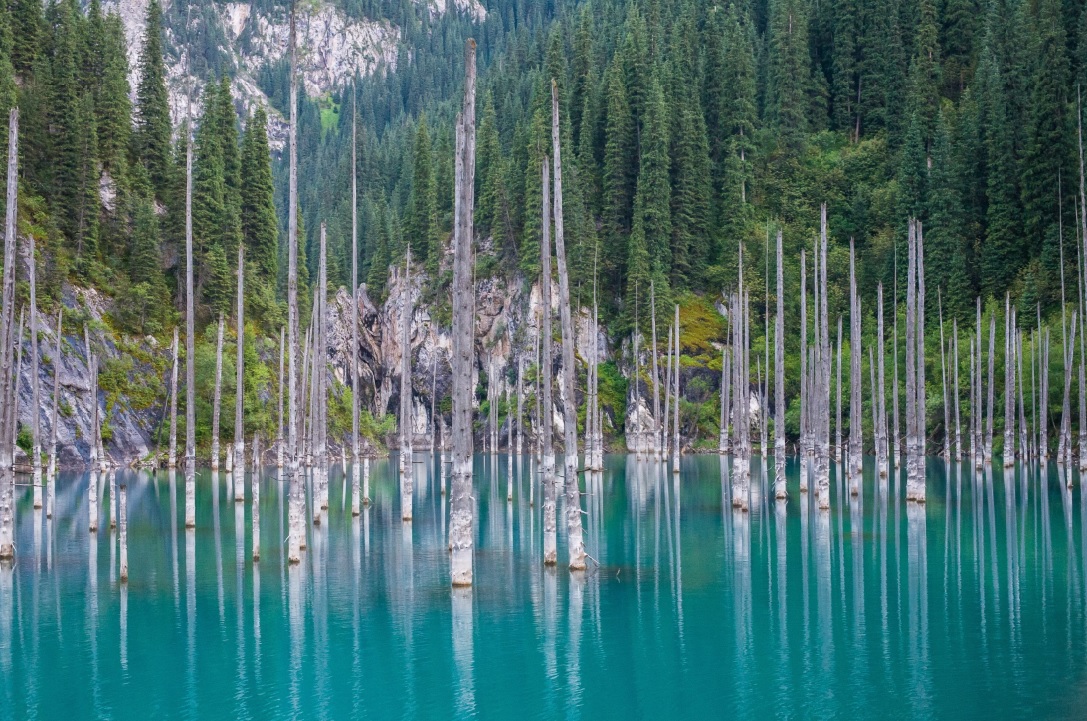
Kaindy
Lake Kaindy is one of the most unusual lakes in southeast Kazakhstan. It was formed in 1910 as a result of an earthquake. Landslides blocked the mountain gorge, which filled with spring water that drowned the living coniferous forest.
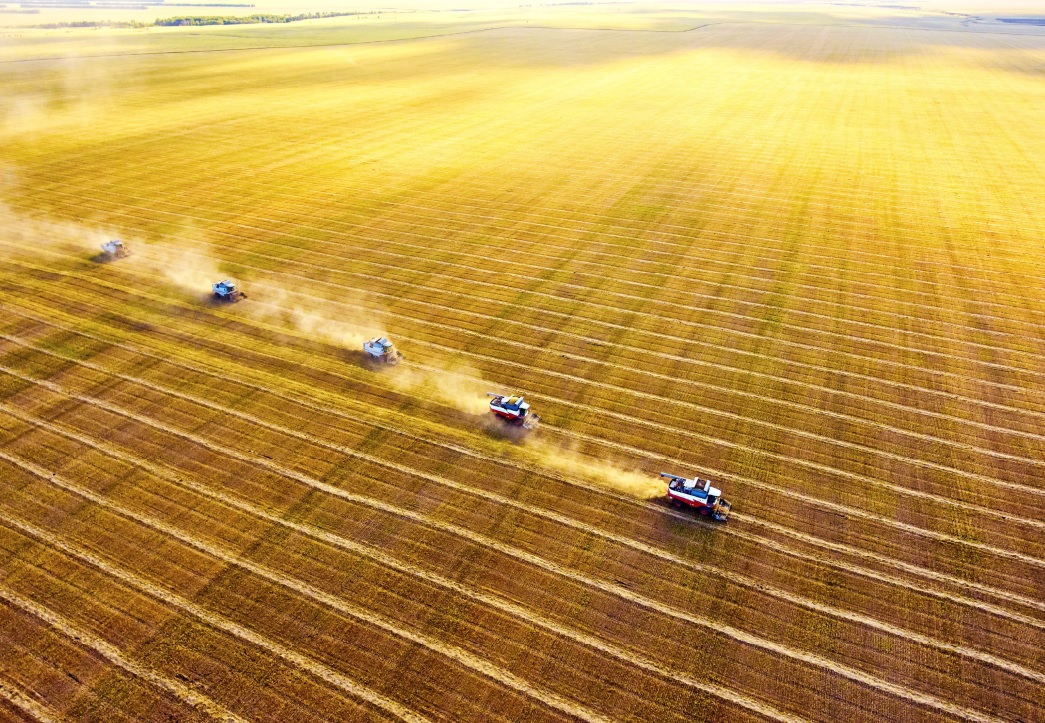
Harvest
If you've ever looked closely at the Kazakh flag, you'd probably be able to see the sun with its rays shaped like a grain. In this case, there is a feeling that along with the light, the bright disk of the sun lends the whole world the grain - the basis of abundance and prosperity.
It is no accident, because today Kazakhstan is one of the ten world leaders in grain and flour exports. Bread, baked from Kazakhstan flour, could well become the national brand of Kazakhstan.
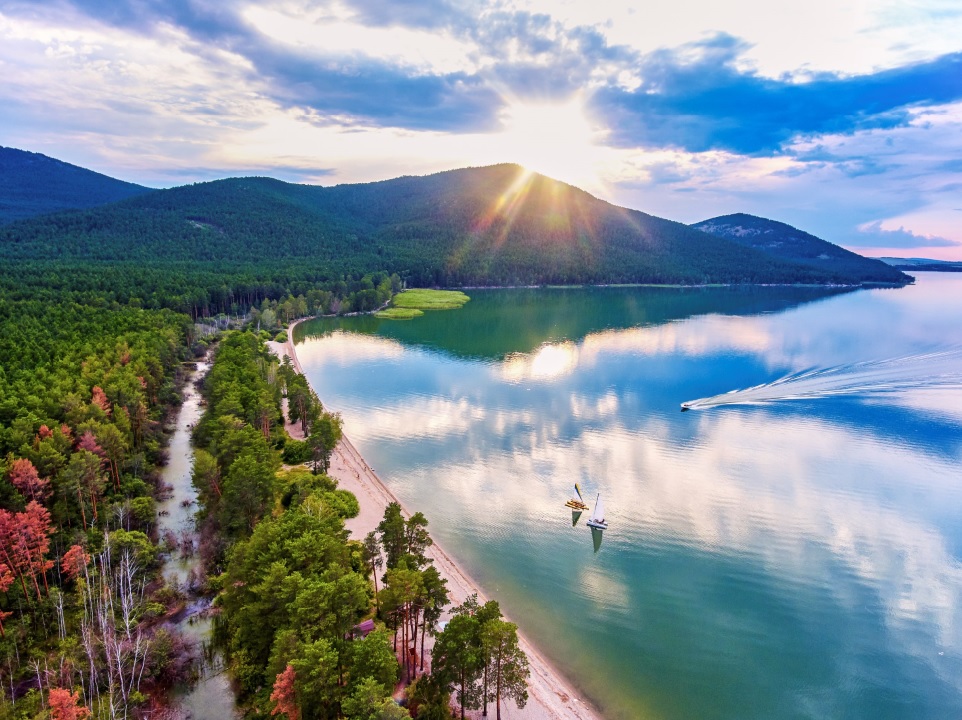
Northern Kazakhstan
Often people in Europe think that Kazakhstan has no forests. But Kazakhstan's 8% of forested land is an area that could fit three countries the size of Lithuania.
Northern Kazakhstan is rich in picturesque oases, sometimes called Kazakhstan's Switzerland.