GOV.KZ – Single platform for the digital resources of government agencies

Меню
Страницы
Contacts
Consular issues
Bilateral cooperation
About the Embassy
Все материалы
13 сентября 2026
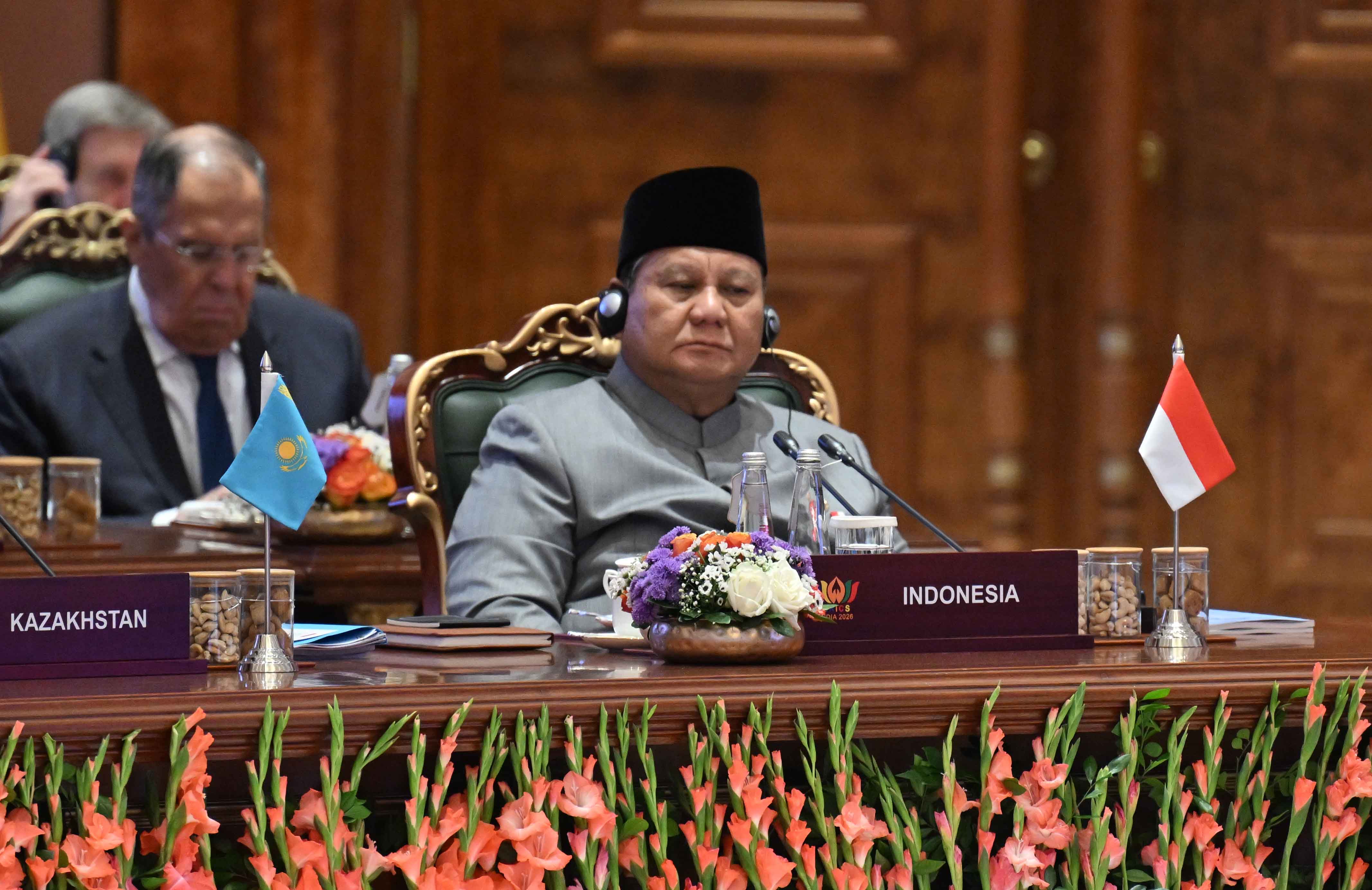
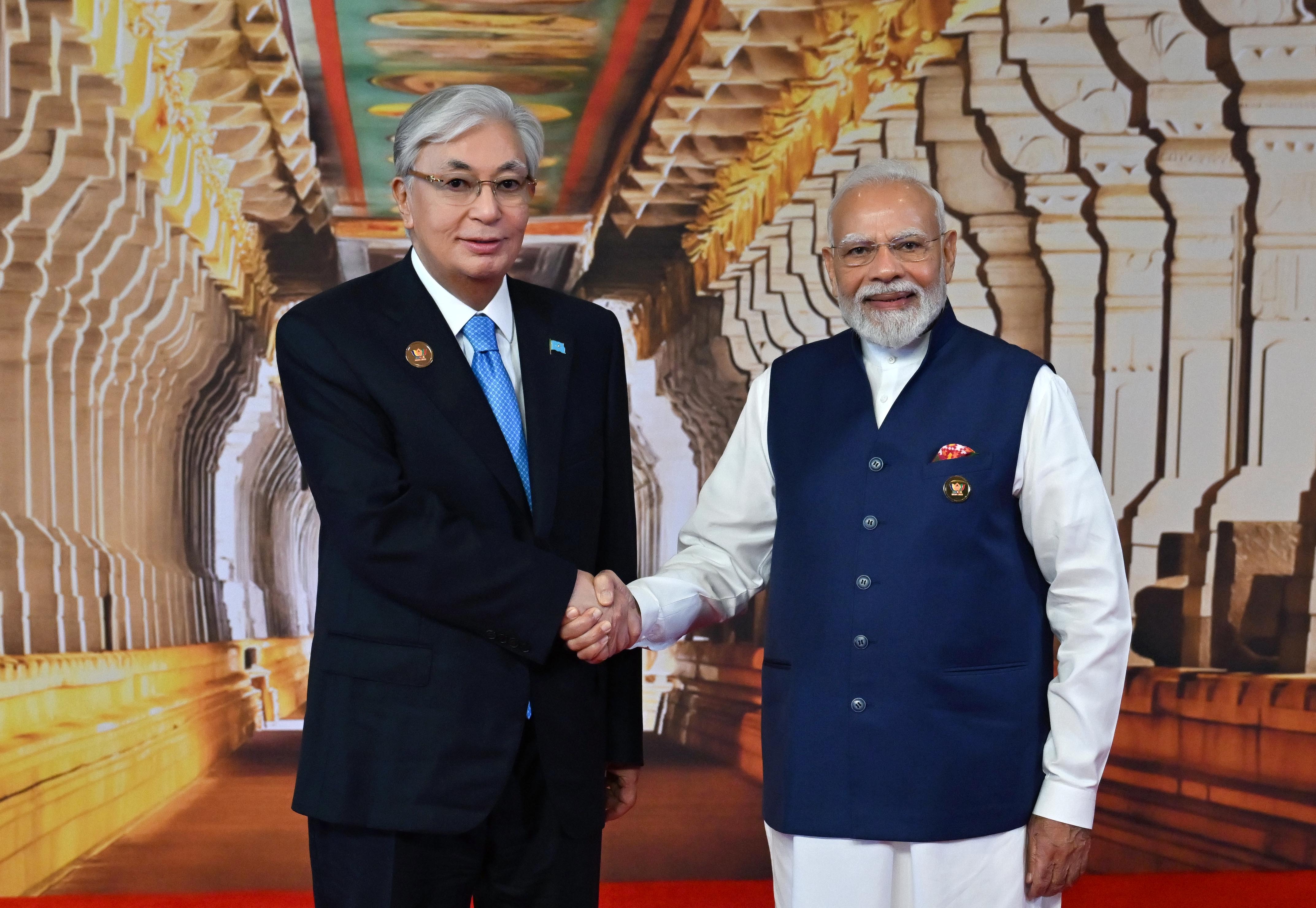
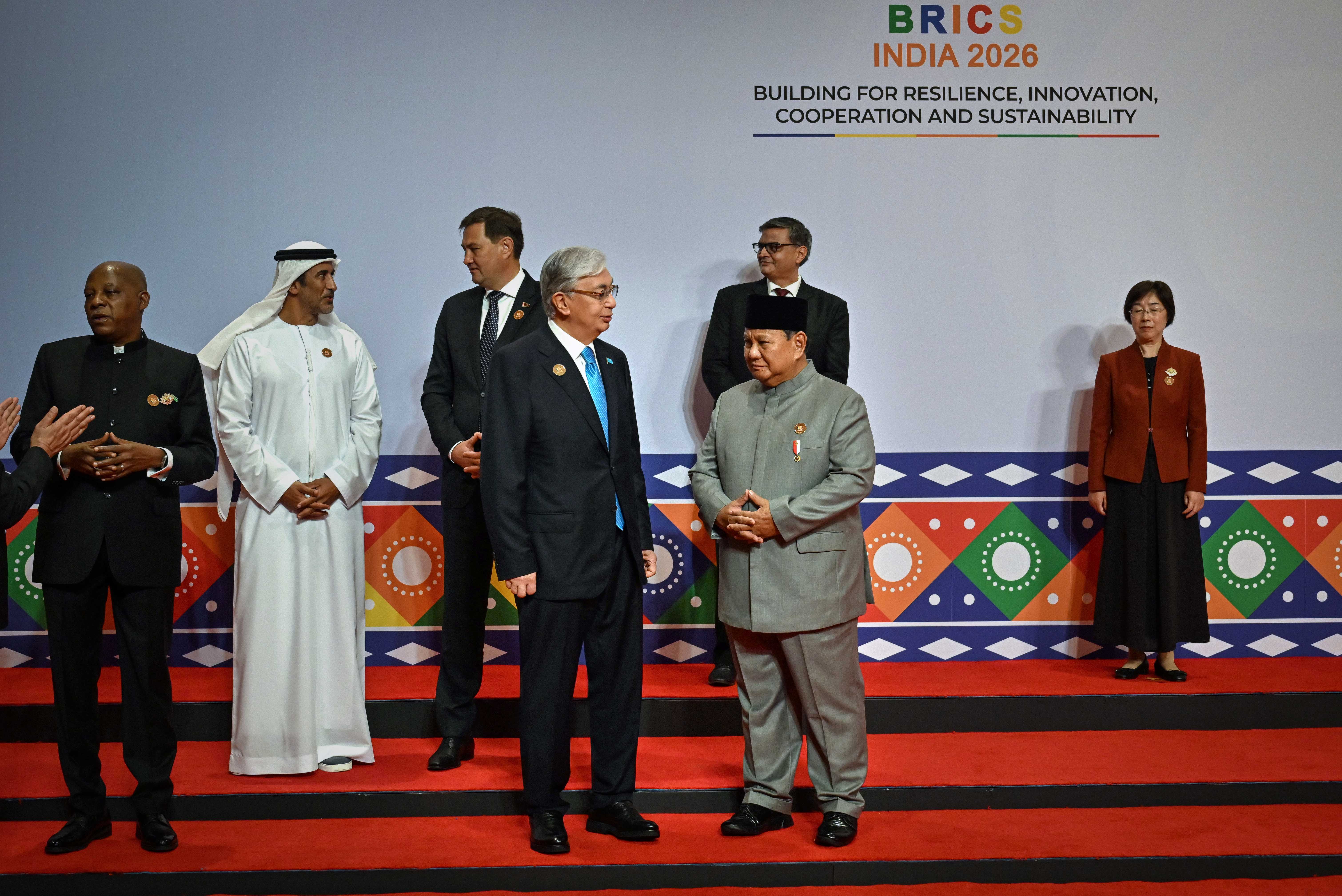
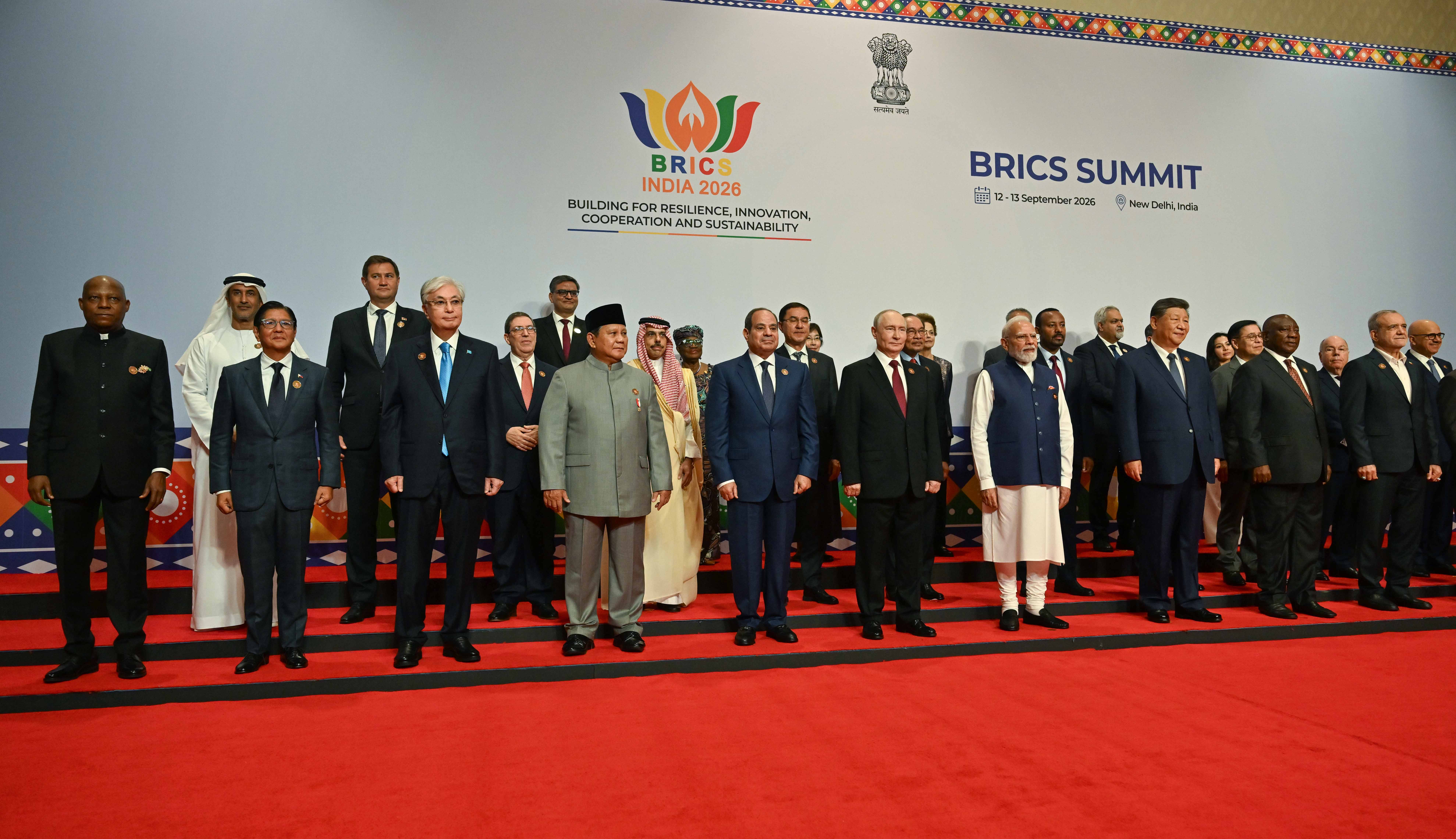
President Tokayev Takes Part in BRICS Plus Summit
September 13, 2026

                                                                                                                                                                                                                            New Delhi, India


President Kassym-Jomart Tokayev delivered remarks at the BRICS plenary session held in the Outreach/BRICS Plus format in New Delhi under the theme “Building for Resilience, Innovation, Cooperation and Sustainability”.

The Head of State thanked Prime Minister Narendra Modi for the hospitality and the excellent organization of the BRICS Summit.

“It is very symbolic that we meet here in New Delhi, a city that reflects India’s uniquely rich cultural heritage. As BRICS marks twenty years of cooperation, India’s chairmanship has advanced extremely important people-centric agenda, guided by the principle “Humanity First”, the President of Kazakhstan said.

As Kassym-Jomart Tokayev noted, representing nearly half of the world’s population and 40% of global GDP, BRICS has both significant ability and responsibility to reduce divisions and deliver tangible results.

“However, its full potential will remain out of use unless we address the fundamental challenges facing the global community and halt the erosion of trust among major powers. Such tendency reflects what the 2026 Global Peace Index calls the “Great Fragmentation” – an era marked by geopolitical confrontation, rising militarization, weakening multilateral institutions and growing trade barriers. Last year, the global economic impact of violence reached almost 22 trillion US dollars or 10 % of world’s GDP. This is an alarming sign. We witness how regional conflicts go far beyond its borders and heavily impact the global economy. Disruptions of vital maritime routes revealed weakness of global energy, food and trade supply chains”, the Head of State noted.

President Tokayev identified the growing threat to cross-border infrastructure as another serious concern.

“Peace and strategic stability are therefore essential to economic resilience and sustainable development. Yet, the stakes extend far beyond economics. The priority is to move from regional de-escalation to lasting stability through political dialogue and sustained diplomacy. More broadly, erosion of international security architecture and protracted conflicts are increasing the risk of a new arms race and strategic miscalculations and practical wrongdoings. Therefore, high-level dialogue among nuclear powers is in demand to reduce nuclear risks, including those linked to new technologies, Kassym-Jomart Tokayev stated.

The Head of State noted that the declining trust among major powers constrains  the ability of the United Nations to act effectively.

“Yet there is no alternative to the UN. Reform must strengthen its capacity for conflict prevention and collective action. The UN Charter must be upheld consistently, not selectively. Security Council reform should reflect today’s realities, with just representation for Asia, Africa and Latin America. Emerging middle powers must also have a stronger voice in global decision-making, as they can preserve dialogue and help narrow geopolitical divisions and gaps. As a partner country, Kazakhstan sees BRICS as an open platform for practical cooperation that complements the UN-centered multilateral system and connects peoples, regions and markets. Our unwavering principle is to seek common ground on each difficult issue. This approach reflects our balanced and target oriented foreign policy guided by the pursuit of mutually beneficial engagement with all partners,” the President emphasized.

Kassym-Jomart Tokayev noted that Kazakhstan’s trade turnover with BRICS members and partner countries reached approximately 72 billion dollars in 2025.

“Having industrial, transit and technological potential, we aim to diversify our trade and investment ties with all BRICS countries. As chair of the Eurasian Economic Union, Kazakhstan supports closer economic cooperation with BRICS and progress towards a free trade agreement with India. As a reliable supplier of major commodities, my country contributes to global supply security. We see significant opportunities for closer partnerships in value-added processing across energy, critical minerals and agriculture with a particular emphasis on technology transfer, knowledge-sharing and joint investments. And beyond this, we offer considerable scope for jointly developing large-scale infrastructure projects, including those of international significance. The New Development Bank could explore financing commercially viable projects in Kazakhstan”, the Head of State said.

President Tokayev noted that strengthening transport connectivity would help unlock this potential and give further impetus to shared economic growth.

“While being one of Eurasia’s transit and logistics hubs, Kazakhstan by expanding railways, ports and digital infrastructure, wants to make cross-border transport faster and more predictable. Last year, transit freight through Kazakhstan approached 40 million tonnes. Our long-term goal is to reach 100 million tonnes a year. Overall, our transit network already handles up to 85% of overland freight between China and Europe. Through the Middle Corridor, Kazakhstan serves as a gateway connecting Asia and Europe across the Caspian Sea. Further synergy of this vital transit route with the Belt and Road Initiative and International North-South Transport Corridor can form more integrated and resilient Eurasian transport network. In this regard, I welcome India’s proposed BRICS Logistics Supply Chain Cooperation Framework because it may foster practical cooperation within the BRICS Plus”, Kassym-Jomart Tokayev said.

The Head of State went on to highlight the role of Artificial Intelligence, which is already reshaping economies, societies and the global balance of power.

“By combining technological strengths with the scale of leading developing economies, BRICS can create new opportunities for innovation, investment and sustainable growth. Kazakhstan regards Artificial Intelligence as a strategic priority and is ready to leverage its advanced computing infrastructure as well as national and UN digital centers to expand effective cooperation within BRICS Plus. As a concrete step, I propose to launch a BRICS Plus Partnership for Artificial Intelligence to connect national AI centres, to provide access to AI labs, science projects and develop multilingual solutions”, the President emphasized.

Kassym-Jomart Tokayev also stressed that resilience requires more than technological progress.

“I would like to mention the water issues which is essential for all of us. Global water governance remains fragmented. That is why we proposed to establish an International Water Organization as a specialized UN agency to bring greater coherence to global efforts and strengthen intergovernmental coordination. I invite BRICS members and partners to join the international consultations launched by our country”, the Head of State said.

Concluding his speech, the President of Kazakhstan stated that multipolarity without effective multilateralism would inevitably make the “Great Fragmentation” even more dangerous for the humankind.

In his view, Kazakhstan therefore advocates multipolarity based on sovereign equality, a balance of interests and shared responsibility. Kassym-Jomart Tokayev expressed confidence that the New Delhi Summit would contribute to advancing this vision through practical cooperation and shared progress.

08 сентября 2026
JOINT STATEMENT by the Ministers of Foreign Affairs of the States Parties to the Treaty on a Nuclear-Weapon-Free Zone in Central Asia on the occasion of the 20th anniversary of the signing of the Treaty (September 8, 2026)

We, the Foreign Ministers of the States Parties to the Treaty on a Nuclear-Weapon-Free Zone in Central Asia (hereinafter referred to as the “CANWFZ Treaty”), on the occasion of the 20th anniversary of the signing of the CANWFZ Treaty in Semipalatinsk

reaffirming our commitment to humanity’s common goal of achieving a world free of nuclear weapons, and recognizing the catastrophic humanitarian consequences of any use or testing of nuclear weapons,

emphasizing that the establishment of nuclear-weapon-free zones is one of the most powerful universal tools for preventing the proliferation of nuclear weapons and strengthening the global disarmament process,

noting the importance of the Treaty between the Republic of Kazakhstan, the Kyrgyz Republic, the Republic of Tajikistan, Turkmenistan, and the Republic of Uzbekistan on Friendship, Good-Neighborliness, and Cooperation for Development of Central Asia in the 21st Century in strengthening peace and security in the region,

recalling that the idea of establishing a nuclear-weapon-free zone in Central Asia was first proposed by the Republic of Uzbekistan in September 1993 at the 48th session of the UN General Assembly,

convinced that the establishment of a nuclear-weapon-free zone in Central Asia represents a successful example of the consolidation of efforts by the countries of the region, and emphasizing that this was an important step toward strengthening the nuclear nonproliferation regime and the process of nuclear disarmament, regional and international peace and security, as well as the development of cooperation in the peaceful uses of nuclear energy and the environmental rehabilitation of areas affected by radioactive contamination,

welcoming the thirty-fifth anniversary of the closure of the Semipalatinsk Nuclear Test Site and the thirtieth anniversary of the opening for signature of the Comprehensive Nuclear-Test-Ban Treaty, and paying tribute to the memory of the numerous victims of nuclear explosions and their consequences in all regions of the world,

we hereby declare the following:

  1. We reaffirm our commitment to the historically significant CANWFZ Treaty, signed by the Republic of Kazakhstan, the Kyrgyz Republic, the Republic of Tajikistan, Turkmenistan and the Republic of Uzbekistan on 8 September 2006, in Semipalatinsk. As the result of collective efforts of all five Central Asian states in their aspiration to ensure security, stability and peace in the region, and as it remains the first and only such zone located entirely in the Northern Hemisphere and directly bordering two nuclear-weapon States, the Semipalatinsk Treaty continues to play an important role in strengthening the global disarmament and non-proliferation regime and serves as a symbolic example of Central Asia’s transformation from a region where nuclear weapons were once actively tested and deployed into one of the leaders of global efforts toward nuclear disarmament.
  2. We reaffirm the key role of the Treaty on the Non-Proliferation of Nuclear Weapons (NPT) as the cornerstone of international efforts to prevent the proliferation of nuclear weapons and, ultimately, to achieve their complete elimination. In this regard, we regret that the Eleventh Review Conference of the States Parties to the NPT concluded without adopting substantive outcomes, reflecting continuing differences and a lack of trust in the field of nuclear disarmament and nonproliferation. We call on all NPT parties to continue negotiations in good faith on the effective implementation of obligations under all three interrelated and mutually reinforcing pillars – nuclear disarmament, nonproliferation, and the peaceful use of nuclear energy.
  3. In light of the urgent and unprecedented challenges threatening global security and stability, we express serious concern over the lack of substantial progress in the field of nuclear disarmament in accordance with Article 6 of the NPT, as well as the cessation of key arms control agreements, coupled with an alarming trend toward the modernization of nuclear arsenals. At the same time, we note the special responsibility of nuclear-weapon States to engage in negotiations on nuclear disarmament and call for the urgent development of new, verifiable arms control mechanisms to prevent a nuclear arms race.
  4. We affirm our unwavering support for the activities of the International Atomic Energy Agency (IAEA) in implementing the provisions of the NPT, promoting cooperation in the peaceful uses of nuclear energy, and applying safeguards and monitoring of nuclear programs in the Agency’s member states.
  5. We firmly advocate for the necessity of the earliest entry-into-force of the Comprehensive Nuclear-Test-Ban Treaty (CTBT) which will mark exactly thirty years since its opening for signature on 24 September 2026. In this regard, we emphasize the need to preserve and further strengthen the international norm against nuclear testing and call for refraining from any actions that could undermine this norm.

We emphasize the important role of raising awareness on disarmament and non-proliferation in fostering a culture of peace, trust and responsibility, and note the particular importance of involving the youth in discussions on disarmament and international security. We support the continued promotion of the International Day for Disarmament and Non-Proliferation Awareness, initiated by the Kyrgyz Republic and symbolically observed annually on 5 March – the date the NPT entered into force – as well as related regional educational initiatives.

In this regard, we note the relevance of the recommendations contained in the UN Study on Disarmament and Non-Proliferation Education, as well as the UN Secretary-General’s Agenda for Disarmament, “Securing Our Common Future: An Agenda for Disarmament.”

  1. We welcome the signing on 6 May 2014 by the nuclear-weapon States of the Protocol on Negative Security Assurances to the Treaty on the Central Asian Nuclear-Weapon-Free Zone and its ratification by four nuclear-weapon states, and we express our hope for the earliest completion of the ratification process for the Protocol by the United States of America.
  2. We express our interest in the institutional development of the CANWFZ Treaty and in expanding further partnerships with existing nuclear-weapon-free zones with the aim of strengthening the global nuclear non-proliferation regime and uniting international efforts to ensure peace and security. In this context, we welcome the signing of Memoranda of Understanding with the African Commission on Atomic Energy (AFCONE) and the Organization for the Prohibition of Nuclear Weapons in Latin America and the Caribbean (OPANAL), as well as the holding in Astana on August 28–29, 2024, under Kazakhstan’s chairmanship, of the second meeting of representatives of all existing nuclear-weapon-free zones.
  3. We note the great importance of strengthening regional security as a key factor for sustainable development and stability in Central Asia, and we reaffirm our intention to continue to cooperate closely in addressing common challenges and threats.
  4. We support efforts to establish new nuclear-weapon-free zones in regions where they do not currently exist, including in the Middle East.
  5. We welcome the adoption of the resolution “Treaty on a Nuclear-Weapon-Free Zone in Central Asia” at the 79th session of the UN General Assembly as well as the holding, of an anniversary meeting of the Treaty’s participating States in Ashgabat on 5 December 2024, under Turkmenistan’s chairmanship, with the participation of representatives of other existing nuclear-weapon-free zones and international organizations.
24 июля 2026
Astana to Host the International Games of the Future 2026 (GOTF 2026) Powered by Samruk-Kazyna

Astana will host Games of the Future 2026 (GOTF 2026) Powered by Samruk-Kazyna from 29 July to 9 August 2026. The international multisport tournament will bring together esports, traditional sports and cutting-edge technology through a distinctive “phygital” competition format.

More than 800 athletes representing over 50 nationalities will compete across eight official disciplines. Phygital competitions combine digital and physical stages: participants first compete in a virtual environment before continuing the contest in physical sporting arenas, including football pitches, basketball courts, martial arts venues and dance stages. Final standings are determined by athletes’ combined performances across both stages.

Competition Schedule

  • Phygital Basketball presented by Halyk Fund: 29 July – 3 August
  • Battle Royale (PUBG: BATTLEGROUNDS) presented by Alatau City Bank: 31 July – 2 August
  • MOBA PC (Dota 2) presented by CenterCredit: 2–5 August
  • Phygital Shooter (CS2) presented by Yandex Go: 4–8 August
  • Phygital Football (UFL) presented by Samruk-Kazyna: 4–9 August
  • MOBA Mobile (MLBB) presented by Freedom: 6–9 August
  • Phygital Dancing Presented by Solidcore Resources: 6–7 August
  • Phygital Fighting presented by Kazzinc: 8 August

The tournament will feature prominent teams and clubs from the worlds of traditional sports and esports, including Team Spirit, T1, Team Falcons, Boca Juniors, Valencia Basket, LGD.Pinghu and NOVAQ.

Kazakhstan will be represented in all eight disciplines by teams and athletes including ACF x Allur, UEL Team, GTB KZ, PBC Astana, Future Nomads, Rune Eaters, DIGA Esports, NOVAQ, TeamKZ and Gulnaz Amangali.

The opening ceremony will take place on 29 July at 17:00 Astana time. It will feature AI-powered visuals, large-scale LED installations, laser and lighting effects, robotic elements and an immersive stage production.

The ceremony will be broadcast live in Kazakhstan on the Zhibek Zholy, Qazsport and Khabar television channels. International audiences will be able to watch it live on the official GOTF Astana 2026 Powered by Samruk-Kazyna YouTube channel and through the Phygital+ platform.

Competition Venues

The competitions will be held at four major sporting venues in Astana:

  • QAZAQSTAN Athletics Sports Complex
  • Zhaksylyk Ushkempirov Martial Arts Palace
  • BEELINE ARENA National Tennis Centre
  • Barys Arena

Tickets are available from the tournament’s official ticketing partner, Freedom Ticketon, and through the Freedom SuperApp.

Media Contact:

Aylana Yesbol

Press Secretary, Kazsportinvest JSC

pr@kazsportinvest.kz


21 мая 2026
On the implementation of the Entry/Exit System (EES) in the Schengen area

The Embassy of the Republic of Kazakhstan to the Republic of Bulgaria informs citizens of the Republic of Kazakhstan about the implementation of the automated Entry/Exit System (EES) in the Schengen area countries.

The EES system, introduced by the European Commission, is fully operational across 29 Schengen area countries. This system is designed for the digital registration of third-country nationals crossing the external borders of the Schengen area and effectively replaces the stamping of passports. It applies to all categories of travelers, including tourists, business travelers, and transit passengers.

Upon first entry into one of the Schengen area countries, foreign nationals are required to provide travel document data, biometric data (facial image and fingerprints), and the date and place of entry and exit are recorded. Fingerprints are not collected from children under the age of 12. The data retention period is up to three years, in compliance with personal data protection requirements. Cases of refusal of entry are also recorded in the system.

On subsequent trips, the border crossing procedure is generally simplified and involves identity verification via facial image. In the event of a refusal to provide biometric data, entry into the Schengen area will be denied.

During the initial period of the system's operation, border control processing times may increase, particularly at the first point of entry. In this regard, transit passengers are advised to allow additional time for flight connections.

To simplify the procedures, the European Union has developed the "Travel to Europe" mobile application, which allows travelers to upload passport data and a biometric photo no earlier than 72 hours before arrival. However, using the application does not exempt travelers from undergoing standard border control.

For more detailed information, please follow the link: https://travel-europe.europa.eu/en/ees

05 мая 2026
«Altyn Visa» and Tax Benefits: How Kazakhstan's Migration Policy is Changing

Kazakhstan is transitioning to a new model of migration policy focused on attracting investors, skilled professionals, and talent. The corresponding decree was signed by President Kassym-Jomart Tokayev.

The document provides for a large-scale digital reform and a shift away from the previous permit-and-quota system toward an incentive-based approach. The primary goal is to establish the country as a regional hub for investment and human capital. The Government has been instructed to complete the implementation of all changes by the end of 2026.

As part of the reform, the visa system will be overhauled. Categories will be unified and supplemented with new formats. A business visa for investors and board members, a skilled worker visa for scientists, doctors, cultural figures, and graduates of leading universities, as well as a temporary worker visa for participants in specific investment projects, are being introduced. The «Altyn Visa» («Golden Visa»), designed for investors and high-demand specialists, will be a key element. For IT personnel, the processing time may be approximately one month. Holders of this visa will receive expanded access to public services, virtually comparable to the rights of citizens.

Significant tax incentives are provided for «Altyn Visa» holders and their family members. This includes exemption from individual income tax, as well as property and land taxes. Reporting is also simplified – such residents are exempt from the universal declaration of income. Simultaneously, a digital Resident ID is being introduced, which will serve as an identity document for accessing government and financial services. The reform also provides for the automatic recognition of diplomas from leading foreign universities without the nostrification procedure.

A separate focus of the reform is digitalization. A unified platform, QazETA, with an e-Residency module, will be created for foreign citizens, allowing for remote applications via a «one-stop-shop» principle. Additionally, the e-Residency Invest program is being launched, enabling electronic residents to invest in projects in Kazakhstan and at the AIFC (Astana International Financial Centre) through partner banks.

In parallel, zones with mandatory English-language service will be established in Astana and Almaty. This will apply to medical facilities, schools, public service centers, the police, and utility services. In Almaty, the launch of the Almaty AI Hub – a specialized platform for developing artificial intelligence projects – is also planned.

Changes will also affect the Astana International Financial Centre. The minimum stay required to obtain tax residency will be reduced from 90 to 30 days, which is expected to increase the jurisdiction's attractiveness for mobile investors. The National Bank and relevant agencies have been instructed to create a favorable financial regime for new residents, including the issuance of special payment cards within a regulatory «sandbox».

The decree enters into force on the day of its signing.

25 апреля 2026
The «Sivers Apple Blossom» Festival – 2026

Date: May 2, 2026

Location: Topolevka village, Sarkan district,

«Zhongar-Alatau» State National Nature Park


On May 2, 2026, one of the most spectacular natural events of spring will take place in the Zhetysu Region – the «Sivers Apple Blossom» Festival. This is an important event dedicated to a rare and extraordinary natural phenomenon.

The event will be held on the territory of the «Zhongar-Alatau» State National Natural Park, in the picturesque surroundings of Topolevka village in the Sarkan district. This location was not chosen by chance: it is here that one of the largest groves of the wild Sivers apple tree in the world is found. This species is considered the ancestor of all cultivated apple varieties on Earth. According to scientists, approximately 48% of the global natural population of this unique apple tree is concentrated in the Zhetysu region.

Once a year, for just a few weeks in spring, the mountain slopes are covered with delicate white and pink blossoms, transforming the valleys into breathtaking natural landscapes. During this period, thousands of tourists, photographers, and travelers visit the region to witness this rare natural phenomenon, learn its history, and experience the festival atmosphere.

The festival brings together representatives of the tourism industry, environmentalists, scientists, media professionals, travel bloggers, artisans, cultural figures, as well as students and nature enthusiasts. The event serves as a platform for the development of eco-tourism, the preservation of natural heritage, and the international promotion of the region.

The event is included in Kazakhstan’s national calendar of official events, highlighting its significance and tourist appeal.

This year’s festival will offer a special atmosphere for guests. Headliners — Bayansulu and Kuandyk Rakhym — will take the stage and present a vibrant concert program against the backdrop of blooming mountains.

Festival program includes:

  • Panoramic views of blooming Sivers apple orchards;
  • Plein air painting competition;
  • Cultural events;
  • National sports games;
  • Handicraft exhibitions and master classes;
  • Concert and entertainment programs.

The «Sivers Apple Blossom» Festival is an opportunity to witness one of Kazakhstan’s most beautiful natural phenomenon, spend in the mountains surrounded by fresh air, get closer to national culture, and experience unforgettable impressions.

Zhetysu invites you to get closer to a living legend of nature!

23 апреля 2026
Central Asian Presidents Adopted a Declaration on Cooperation in the Field of Ecology and Sustainable Development

Within the framework of the 2026 Regional Environmental Summit, held from April 22 to 24 in the city of Astana, the heads of state of Kazakhstan, Kyrgyzstan, Tajikistan, Turkmenistan, and Uzbekistan adopted the Declaration on Regional Cooperation in the Field of Ecology and Sustainable Development «Environmental Solidarity of Central Asia».


Thus, the heads of state reaffirmed their intentions to intensify efforts to develop joint regional positions and solutions within multilateral environmental processes, including negotiations on climate, glaciers, the mountain agenda, biodiversity, chemicals and waste management, the fight against plastic pollution, improvement of atmospheric air quality, and countering land degradation and desertification, as well as to promote the consolidated position of the Central Asian countries on key international platforms.


The present Declaration makes a significant contribution to expanding partnership and mutual support between the Central Asian states in order to ensure environmental sustainability, inclusive economic growth, and a sustainable future for current and future generations.

04 апреля 2026
«Astana Eurasian Book Fair 2026»: International Book Exhibition and Fair to Take Place in the Capital

From April 22 to 26, the IX International Book Exhibition and Fair Astana Eurasian Book Fair 2026 will be held at the Presidential Center in the capital. It is one of the largest cultural and educational events in Central Asia, according to the official website of the city administration.

The event is organized by Foliant Publishing House with the support of the Ministry of Culture and Information of the Republic of Kazakhstan and the Akimat of Astana.

Approximately 80 companies representing the publishing, printing, bookselling, and academic sectors will take part in the fair. Around half of them are Kazakhstani organizations, while some 40 companies are expected from Russia, Turkey, Kyrgyzstan, Uzbekistan, Azerbaijan, Mongolia, Spain, China, Iran, Belarus, Portugal, Venezuela, and the United Kingdom.

The five-day program will feature a wide range of cultural and business events, including book presentations, meetings with authors, autograph sessions, and special masterclasses at the children’s activity zone.

Among the highlights are presentations of the following publications: «Turkish Cuisine» (published with the support of the Ministry of Culture and Tourism of Turkey), Bekarys Shoibekov’s collection of aitys «Bekarys — The Golden Voice of Aitys», Marzhan Yershu’s poem «A Solitary Hand», «Yeldos Smetov. Endurance. Faith. Victory» from the «Contemporaries» series, Yerlan Kozhabayev’s photo album «Kazakh Ornaments», Andrzej Sapkowski’s fantasy novel «The Witcher», Ularbek Daley’s historical novel «Batu Khan», «The Ownerless Shadow» by Alisher Rakhat, «The Journey of Hope» by Spanish writer Javier Moro, «For Whom the Bell Tolls» by Ernest Hemingway, «A Poem-Woman» by Azerbaijani poet Rasmia Sabir, Baiyt Kabanuly’s «Mongol Poetry», «The Tears of the White Zhaiyk» by Nursultan Myktybay, as well as the album books «Turkestan — Eternal and Ever New» and «Dimash Qudaibergen. Infinite Music».

On April 23, in celebration of the National Book Day, an official award ceremony will be held for the winners of the national competition Ulttyq Kitap, organized by the Ministry of Culture and Information of Kazakhstan.

The official opening ceremony of the exhibition will take place on April 22 at 11:00, with the participation of government and public figures, prominent writers, and foreign ambassadors.

31 марта 2026
Export Credit Agency Launch the International Digital Platform “Exporters Showcase” to Promote Kazakhstani Products

The Export Credit Agency of Kazakhstan JSC (ECA) (a subsidiary of the “Baiterek” National Management Holding), has launched the “Exporters Showcase” platform (https://export.bgov.kz/).

The new resource has been developed as a specialized tool for promoting domestic products in global markets and is aimed at foreign buyers. The platform represents an expanded catalog of “Made in Kazakhstan” products, where the main emphasis is placed on specific goods, their characteristics, and consumer properties.

According to representatives of the Export Credit Agency, the key feature of the “Exporters Showcase” is its export orientation.

The entire range of products on the platform is structured across five main sectors:

- light, food and chemical industries;

- agro-industrial complex products;

- metallurgy;

- mechanical engineering;

- construction industry.

The search system allows potential buyers to find products using keyword queries. For example, when entering a specific request, the system displays all available offers in the relevant category from various Kazakhstani manufacturers. Each product card contains a detailed description and basic technical specifications, while users can instantly navigate from a specific product card to the profile of the respective manufacturer.

“Only verified manufacturers that have passed our agency’s verification are presented on this portal. The ‘ECA Verified’ status serves as a guarantee of reliability, minimizing risks and strengthening trust in interactions between Kazakhstani exporters and foreign buyers,” noted Madina Yerzhanova, Deputy Chairperson of the Management Board of Export Credit Agency of Kazakhstan.

The “Exporters Showcase” project is intended to become a digital bridge between Kazakhstani businesses and international markets, simplifying the process of finding suppliers and increasing the recognition of domestic brands abroad. The initiative is being implemented within the framework of the strategy of Baiterek National Investment Holding to support non-resource exports and the digitalization of foreign economic activity.

28 марта 2026
Kazakhstan’s Educational Potential Presented in Sofia

On March 28, 2026, Sofia University «St. Kliment Ohridski» hosted its Open House Days.

The event was attended by students, faculty, and members of the foreign diplomatic corps representing Azerbaijan, Egypt, Kazakhstan, China, Indonesia, the media, and others.

Supported by Sofia University students, Kazakhstani diplomats presented the educational potential of the Republic of Kazakhstan, organized an exhibition of national costumes, and showcased the nation’s literary heritage.

The event drew significant interest from Bulgarian youth, particularly regarding Kazakhstan’s educational and tourism appeal, while further strengthening existing ties within the cultural and humanitarian spheres.


77 Kazakhstani students are studying in Bulgaria. At the Sofia University «St. Kliment Ohridski», one of the most prestigious universities in Southeastern Europe, operates the Al-Farabi Scientific, Educational and Cultural Center and the Center for the Study of the Kazakh Language, History and Culture.

Социальные сети
Facebook
Twitter
Instagram
Telegram
Меню подвал
State of the Nation Address of the President of Kazakhstan
Website of the President of Kazakhstan
Website of the Prime Minister of Kazakhstan
Digital transformation concept
National symbols
Terms and explanations
Central communications service under the President of the RK
Screen Reader
Құпиялылық саясаты
Constitution of the Republic of Kazakhstan