At the initiative of the Supreme Judicial Council of the Republic of Kazakhstan, the Academy of Justice conducted an international round table on the topic: «Institutional and procedural aspects of the formation of cassation courts: challenges and ways of their overcoming»
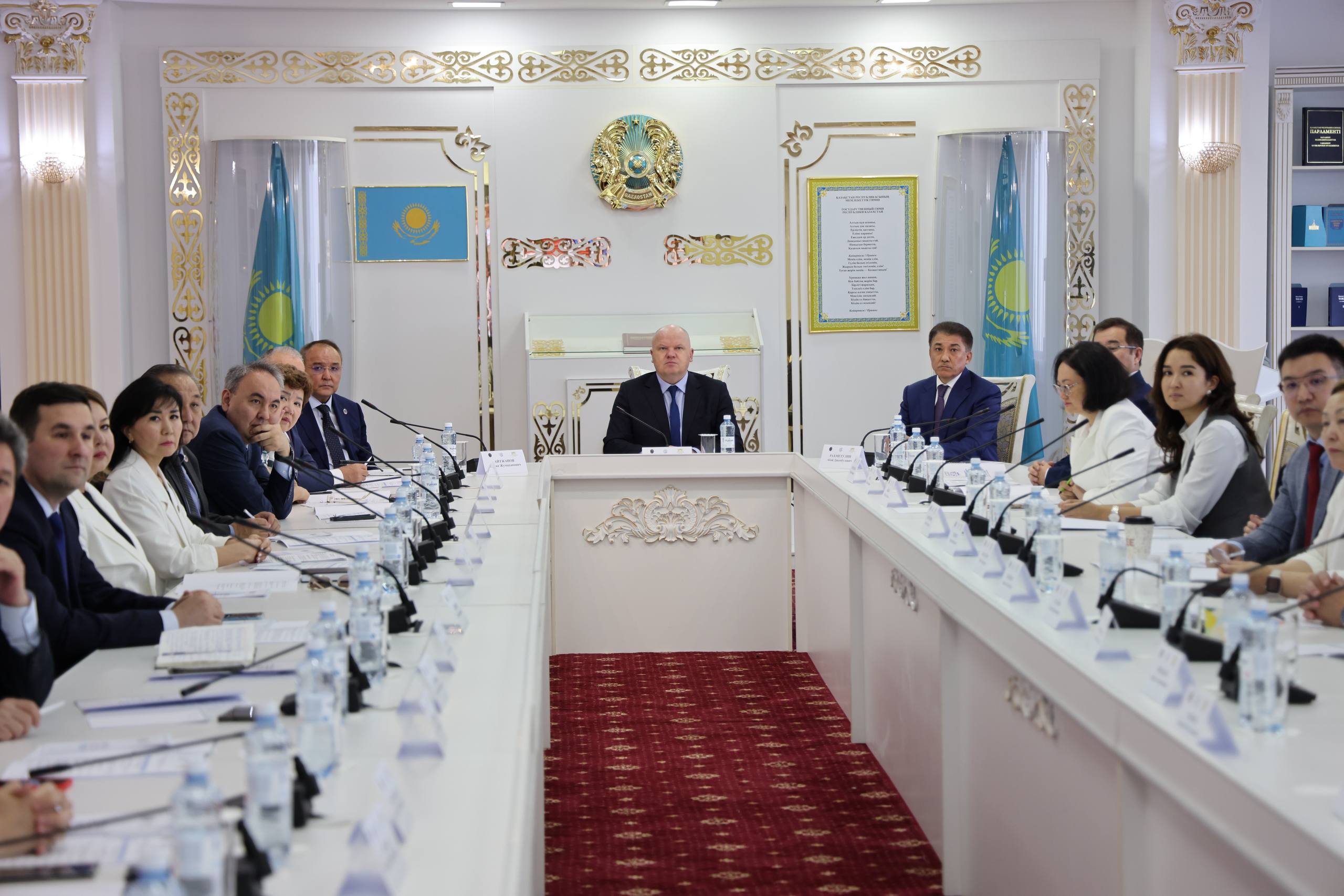
At the initiative of the Supreme Judicial Council of the Republic of Kazakhstan, the Academy of Justice conducted an international round table on the topic: «Institutional and procedural aspects of the formation of cassation courts: challenges and ways of their overcoming».
The event became a professional platform for discussing one of the key areas of judicial reform implemented on behalf of the President of the Republic of Kazakhstan - the formation of cassation courts.
by More than 200 specialists and experts in the field of law and justice, including members of the Supreme Judicial Council, judges of the Supreme and local courtsrepresentatives of the Prosecutor's Office, judicial administration, academic community, legal profession, as well as international experts from the Republic of Azerbaijan, the Russian Federation and Germany took part in the round table.
Special attention is paid to the unique and unprecedented role of the Supreme Judicial Council in staffing new courts, which use open, transparent and objective selection in accordance with international standards.
Dmitriy Malakhov, the Chairman of the Council, in his welcoming speech stressed that: «The Council did not carried out just the selection, we set a new standard for the quality of the judiciary. The candidates passed a strict professional and ethical filter, which allowed them to lay the foundation for trust in the new authority».
The legal nature of cassation, procedural mechanisms and best foreign practices adapted to the Kazakh context became the focus of attention of all participants.
The experts noted that the Supreme Judicial Council has confirmed its unique role as an institution that ensures sustainability, effectiveness and quality of key transformations in the country's judicial system.
As a result of the discussion, practical recommendations aimed at further improving the regulatory framework, selection procedures and enhancing the effectiveness of the cassation courts were developed. The Council continues to shape a new approach to the selection of judges - transparent, fair and trust-oriented.