A faulty stove can cause a fire and carbon monoxide poisoning
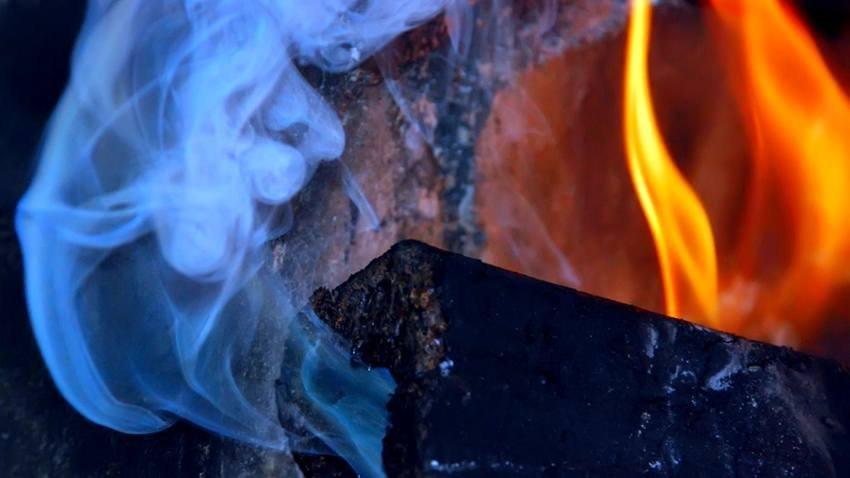
Winter brings with it not only beauty, but also frosts, from which only a stove can save in private homes. But sometimes a heating furnace, due to a malfunction, can cause a fire and carbon monoxide poisoning, which is even more dangerous.
Unfortunately, despite the awareness of carbon monoxide, poisoning with it is still found everywhere. This is often observed when fire safety rules are not observed, namely, when heating stoves and gas appliances are used incorrectly. The harmful effect of carbon monoxide on the human body is expressed in the fact that the substance affects the respiratory system, penetrates into the circulatory system, where it connects with hemoglobin, as a result, changes in the composition of the blood occur, after which the whole body begins to suffer. Carbon monoxide poisoning can cause serious, and in some cases irreparable harm to health. The main problem is that it has no color, no smell, does not cause any sensations at all, so it is often called a "silent killer". Carbon monoxide mixing with air is almost invisible, which is why a person notices a deterioration only after poisoning has occurred, and is no longer able to do anything.
Rescuers talk about the dangers of stove heating every day, but most people do not take preventive measures until they personally encounter the problem.
In the absolute majority of cases, the culprits of carbon monoxide poisoning are the owners of the house who violate fire safety rules, do not clean the chimneys from soot and do not keep the furnace device in good condition, and their children are the victims of parents' carelessness. If the furnace is in good condition, the amount of carbon monoxide produced during fuel combustion is usually not dangerous. There are cases when people, believing that the fuel in the furnace has completely burned out, close the chimney flap to preserve heat. Embers with a lack of air form carbon monoxide, which penetrates into the room through leaky sections of the furnace structure. With a weak draft in the chimney and without air supply, there is also underburning of fuel, and as a result, the formation and accumulation of carbon monoxide. Maintenance of the chimney is not too tedious — it is enough from time to time to check the draft, the tightness of the joints of the brickwork or the joints of the modules, to clean the internal surfaces of soot in a timely manner. Pay special attention to the inspection of the connection of the chimney with the oven. After a long downtime of the device, before starting a fire, it is necessary to open the tee plug and look through the pipe, making sure that the chimney is not clogged with soot, leaves and bird nests have not appeared in it (this sometimes happens). And if there is a flaw - by eliminating it today, tomorrow it may be too late.
DES of Ulan district