Safe disinsection
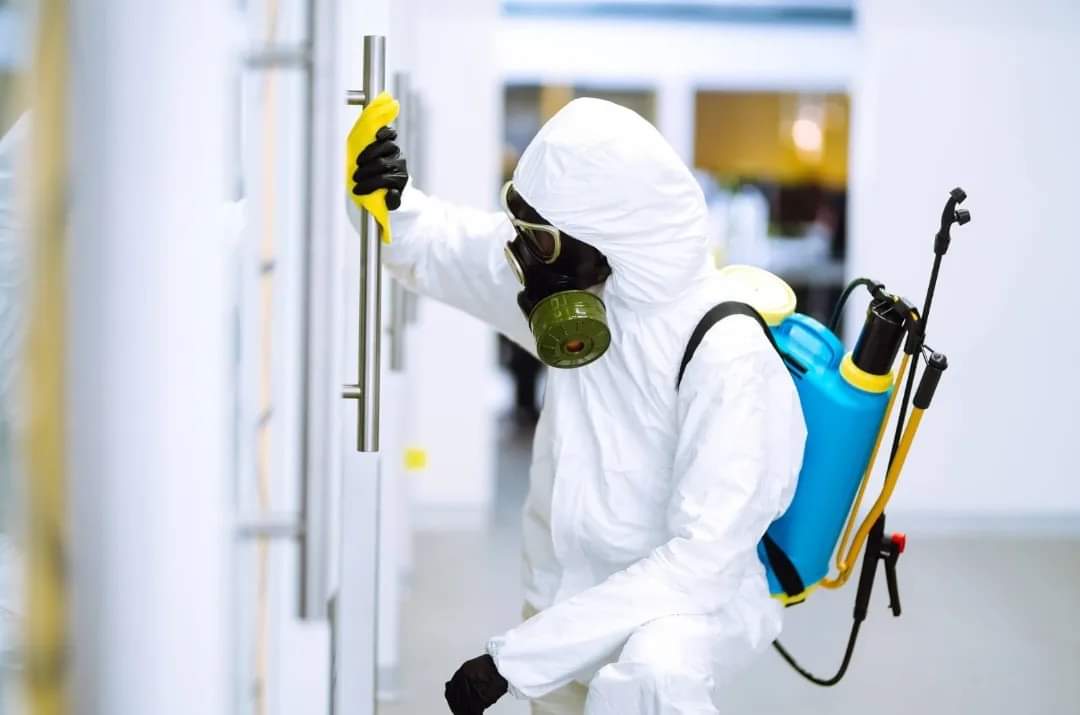
Disinsection plays a leading role in the prevention of the spread of infectious and parasitic diseases.
In order to prevent the occurrence and spread of infectious and parasitic diseases, individuals and legal entities are obliged, at their own expense, to carry out preventive, as well as epidemiological indications, disinsection on a systematic basis in accordance with the documents of the state sanitary and epidemiological rationing.
Such services are provided under an agreement with private organizations providing disinfection, disinfection and deratization services.
In the 2nd half of 2024, regulatory legal acts will come into force, according to which individuals and legal entities providing disinfection, disinsection and deratization services will be able to carry out this type of activity only if they have a license.
To combat insects, a chemical method of disinsection is often used. It is allowed to use funds registered in the Unified Register of Certificates of State Registration of Products of the Eurasian Economic Union.
Work on the objects begins with their preliminary examination for the presence of insects, identification of places of population and abundance.
At facilities adjacent to residential buildings, in the basements of apartment buildings, as well as in residential premises, it is strictly prohibited to carry out disinfection by methods of cold and hot mists, due to the high penetrating power of cold and hot mists and the risk of poisoning.
In case of violation of safety rules, acute poisoning may develop. Signs of poisoning: unpleasant taste in the mouth, weakness, headache, nausea, respiratory irritation, etc.
In case of inhalation poisoning, the victim must be taken to fresh air, rinse his mouth and nose. Give 1-2 glasses of water with adsorbents to drink. After first aid, consult a doctor immediately!