On informing the heads of sanatorium-resort, summer health-improving organizations of bases, zones and places...
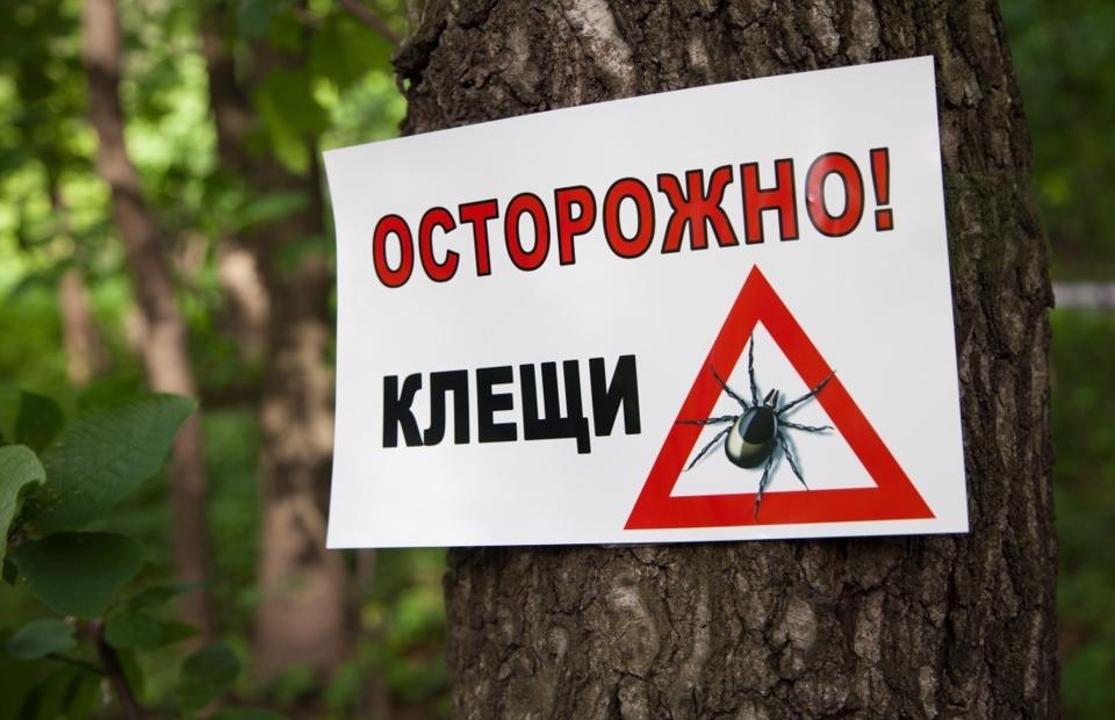
On informing the heads of sanatorium-resort, summer health-improving organizations of bases, zones and places of mass recreation for the population on organizing measures against tick-borne infections
Fans of country walks, hikes and workers whose work is related to being in the forest should not forget that in the forest they are at risk of being bitten by a tick, and this is fraught with infection of such tick-borne infections as spring-summer tick-borne encephalitis, ixodid tick-borne borreliosis (Lyme disease), tick-borne rickettsiosis and other infectious diseases.
The most dangerous of them is tick-borne encephalitis - this is an acute, infectious, natural focal disease caused by a virus and transmitted by ticks, characterized by damage to the central nervous system, leading to the development of paresis and paralysis of the limbs, in complicated cases, to death.
We remind you that in East Kazakhstan, the territories of 9 cities and districts out of 19 are natural foci of tick-borne encephalitis, these are the Altai region, Glubokovsky, Zaisansky, Katon-Karagaysky, Kokpektinsky (Samara region), Ulansky, Shemonaikhinsky districts and the surroundings of the cities of Ridder and Ust -Kamenogorsk.
One of the effective measures for the prevention of tick-borne encephalitis is measures to combat vectors of tick-borne infections, in connection with which the Department of Sanitary and Epidemiological Control of the East Kazakhstan region informs all heads of sanatorium, summer recreational organizations for children and adults, bases, areas and places of recreation, and also the leadership of departments, organizations and institutions working on the territory of the natural focus of tick-borne infection on the need to comply with the requirements of the Sanitary Rules, approved by order of the Minister of Health of the Republic of Kazakhstan No. 175 of 04/18/2018 in part:
- providing specialists working on the territory of the natural focus of tick-borne infections with protective special clothing, repellents and other means of individual protection against ticks;
- conducting briefings among employees on the prevention of infection with tick-borne infections and measures of individual protection against ticks;
- Carrying out anti-tick treatment in early spring;
- clearing and landscaping of the territory of the facility, as well as around it within a radius of at least one hundred meters;
- sanitary logging, pruning of trees, removal of dead wood and dead wood, grass mowing, thinning and pruning of shrubs, destruction of dumps of household, construction and vegetable waste, clearing and widening forest paths to residential and utility rooms, to water sources, recreation areas, sports grounds ;
- maintaining the well-maintained condition of the facility throughout the season;
- carrying out anti-tick treatment and clearing walking paths from dead wood and deadwood on both sides at a distance of at least fifty meters in the presence of tourist routes;
- prohibition of pets on the territory of the facility;
- carrying out deratization measures;
DEAR MANAGERS!
We inform you that, according to your applications, specialists of the Department of Sanitary and Epidemiological Control and its territorial divisions can assess the quality and effectiveness of the anti-tick measures taken.
REMEMBER!
Timely carried out anti-tick measures will protect you and vacationers from tick-borne encephalitis!