Thin ice, a serious winter hazard!
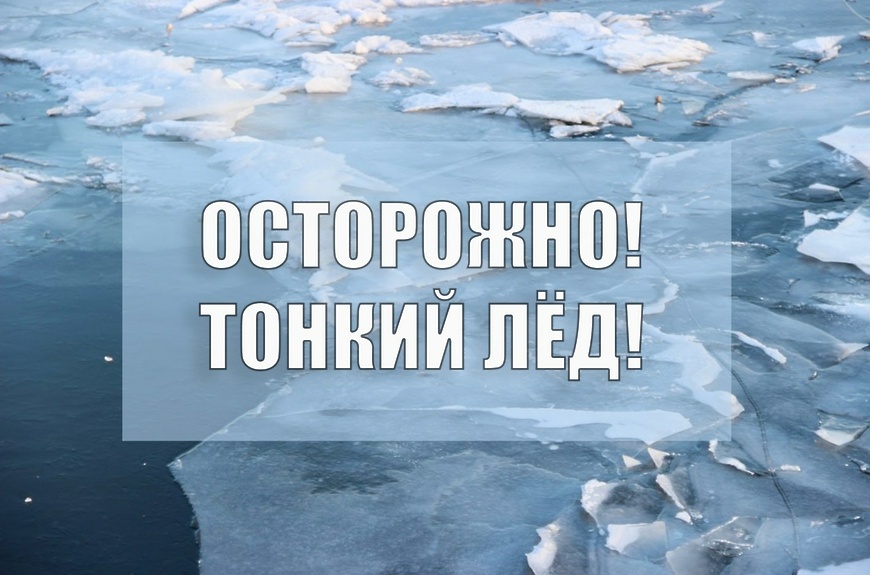
In winter, when the temperature drops below zero, ice forms on the surface of reservoirs. Thin ice can be dangerous and cause injuries or even fatalities. Every year, people fall through thin ice by ignoring safety precautions.
Thin ice can deceptively seem like a solid surface capable of supporting human weight. However, its insufficient strength makes it extremely dangerous for walking or playing sports. The thickness of the ice can vary depending on many factors, such as air temperature, water flow rate and the presence of underwater heat sources. For this reason, it is crucial to remember that even at first glance, strong ice can turn out to be a trap.
One of the main reasons people fall through thin ice is due to a lack of knowledge about the conditions of ice formation and strengthening. People sometimes do not take into account all the factors affecting its strength, and risk their lives by taking rash actions on the icy surface.
How can we avoid these dangers? To answer this question, Örken East Kazakhstan Regional Scientific and Methodological Center for Informatization and Education Development of Education Administration of East Kazakhstan region, jointly with A.A. Baizhuminov, a senior officer of Emergency Situations Department of East Kazakhstan region, conducted a webinar that covered the basic rules of behavior on ice.
To stay safe on thin ice, it’s crucial to follow a number of simple rules and precautions. First, before stepping onto the ice, you need to make sure that it is reliable.
It is important to remember that ice is much weaker near banks, shores and bridges, as well as near river or lake currents. Avoid getting close to these areas to prevent falling through thin ice.
If you do have to cross thin ice, go slowly and distribute your body weight evenly. In case of an audible crack or deflection of the ice surface, stop immediately and go back the same way you came from.
Thin ice poses a serious threat to those enjoying winter activities on reservoirs. Remember that safety should always come first, and follow the recommendations of experts when stepping onto the ice. Take care of yourself and your loved ones!