Promoting reproductive health awareness
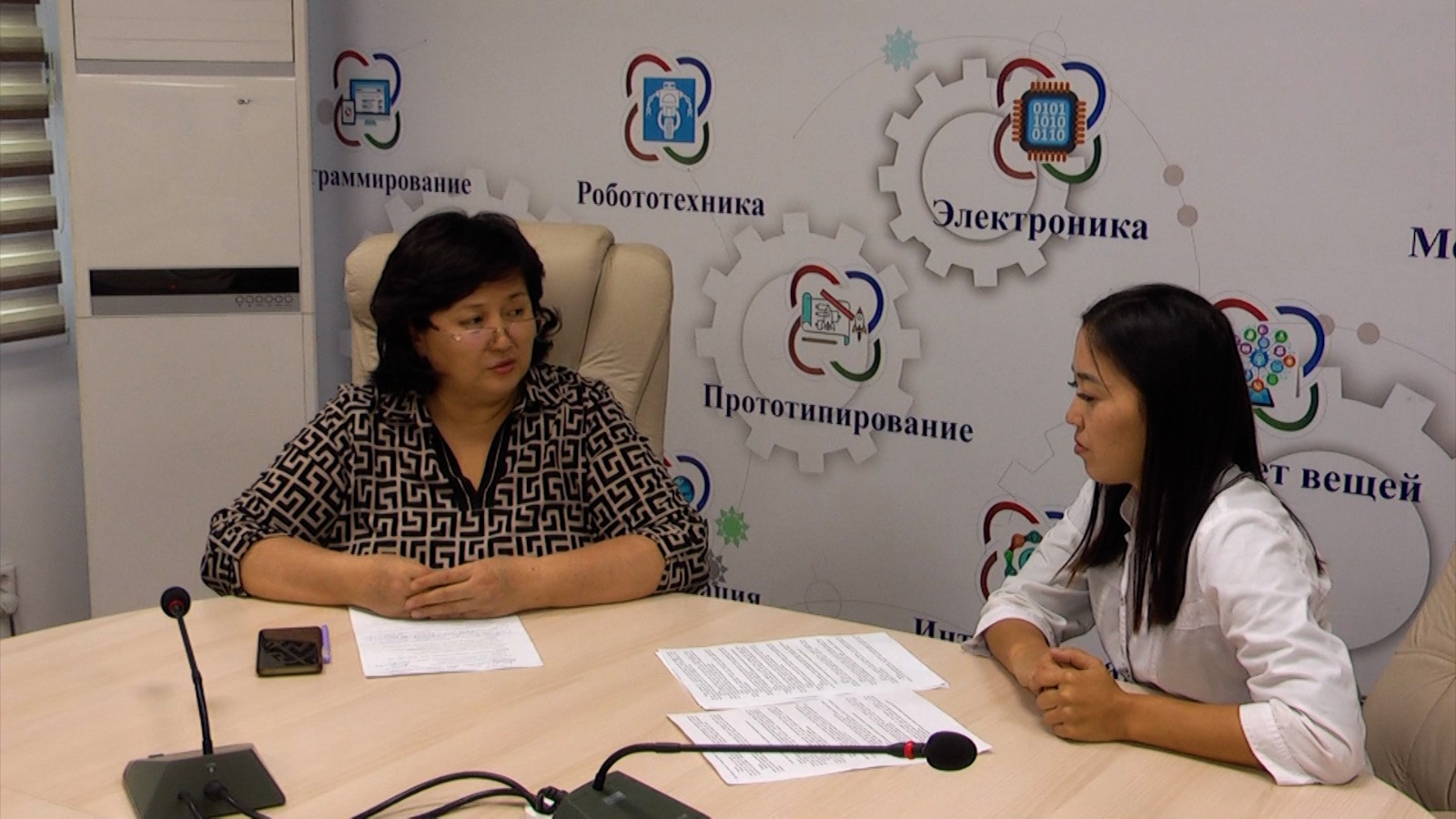
In today’s society, increasing attention is being paid to the health of the younger generation, particularly to cultivating adolescents’ responsible attitudes towards their own bodies and future parenthood. To support this aim, Örken East Kazakhstan Regional Scientific and Methodological Center for Informatization and Education Development of Education Administration of East Kazakhstan region organized an educational lesson in the format of an interview with Asisa S. Temirkhanova, an obstetrician-gynecologist of the Mother and Child Center.
The lesson discussed key issues related to the reproductive health of adolescents. Asisa S. Temirkhanova clearly and thoroughly explained to the students the physiological changes that occur in girls’ bodies during puberty, the role of hormones and the peculiarities of the awkward age.
The guest paid special attention to the fact that reproductive health is not only the ability to procreate children, but also the overall physical, mental and emotional well-being. The doctor highlighted that adolescence is a critical time when lifelong health habits are formed, so it is crucial for young people to take care of yourself from their early age: eat a balanced diet, get enough sleep, be physically active and avoid stress.
One of the important topics of the discussion was the prevention of early sexual activity and its consequences. According to the expert, premature sexual activity carries serious risks for the physical and psychological health of adolescents, ranging from hormonal imbalances and infections to potential infertility. Asisa S. Temirkhanova encouraged students to make informed and respectful decisions.
Additional topics included personal hygiene, stress resilience and the impact of lifestyle on reproductive health. The doctor provided practical advice on self-care, hygiene and developing healthy habits that help maintain a healthy body and self-confidence.
Following the lesson, the participants thanked Asisa S. Temirkhanova for the open and trusting conversation. During the interview, the students received answers to their questions, realized the importance of caring for their bodies and understood that health is the most valuable asset that must be preserved from a young age.
Such events contribute to cultivating a health culture among schoolchildren, promoting a conscious approach to their future and strengthening collaboration between the medical community, teachers and parents.