Terms of payment of compensation for brucellosis cattle
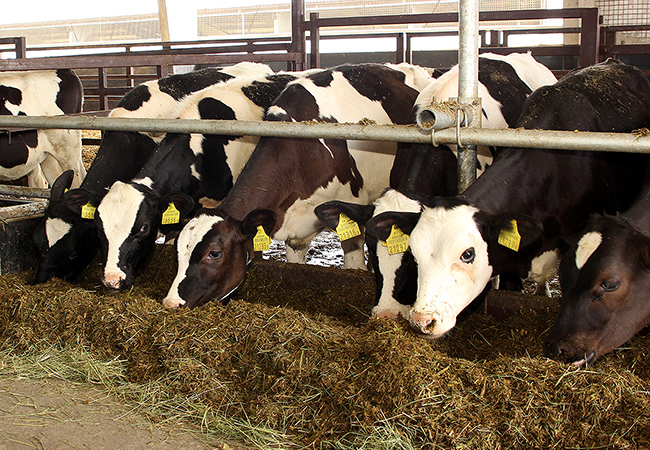
Brucellosis is a chronic disease of animals and humans.
The main sources of the causative agent of infection for humans with brucellosis are sheep, goats, cattle, camels, pigs, deer and other animal species.
The leading factors of transmission include products and raw materials of animal origin infected with Brucella, care items, feed, bedding, water, soil, and human clothing.
Disease on a farm can occur after the introduction of animals from other farms into the herd, in case of non-observance of the basic rules of quarantine of livestock, with joint grazing of healthy and sick animals, use of infected water sources and cattle driving routes for watering livestock.
In fresh epizootic foci of brucellosis, up to 60% or more susceptible livestock can be infected for several months.
In order to prevent the spread of the disease, diagnostic tests for brucellosis are carried out twice a year.
Persons who are engaged in the maintenance and breeding of farm animals, when identifying positively responding animals to brucellosis, need to know the following.
In accordance with the Procedure for conducting veterinary measures for brucellosis, owners are required to isolate sick animals from other animals and, within no more than 15 calendar days, hand them over for stamping out at meat processing plants or slaughterhouses. After sending the animal for stamping out, in the room where the sick animal was located, it is necessary to perform mechanical cleaning (removal of manure, feed) for further disinfection of the room by the veterinary service staff.
When brucellosis cattle are handed over for stamping out, the veterinarian of the laboratory directly at the slaughter facility conducts a veterinary and sanitary examination, in which the veterinary and sanitary assessment of the meat carcass is determined.
According to the rules of veterinary and sanitary assessment of the meat of animals suffering from brucellosis (except for sheep and goat carcasses), in the absence of pathological changes in the carcasses and organs, they are released without restriction after 12 hours of maturation of the meat.
Upon receipt of such a conclusion, animal owners can, on the basis of the issued act of veterinary and sanitary examination, carry out further sale of the meat carcass obtained from animals that positively react to brucellosis at a market price at domestic trade objects (shops, markets) or leave meat carcasses at the slaughterhouse also at a market price. price at your discretion.
Therefore, meat owners who have received an examination certificate on their use without restrictions for brucellosis of cattle, pigs, camels and horses are not paid compensation for the cost of animals, products and raw materials of animal origin.
That is, compensation for the cost of brucellosis of animals is paid only if there are pathological changes in carcasses and organs, which are sent for mandatory neutralization (disinfection) and processing. Reimbursement is made on the basis of one kilogram of animal products from the local budget in the amount of 30% of the average monthly market value, and the rest of the average monthly market value (70%) is paid by the organization for processing products and raw materials of animal origin.
The list of necessary documents for reimbursement of the cost for mandatory neutralization (disinfection) and processing without removal of animals that respond positively to brucellosis.
1. Certificate of examination (test report);
2. Prescription for neutralization (disinfection);
3. Act on the delivery of animals and products for processing;
4. The act on the establishment of the average monthly market value;
5. Veterinary passport;
6. Extract from the database on the identification of farm animals.
To prevent the disease with brucellosis, it is necessary for owners of all forms of ownership to provide animals to specialists of the veterinary service for carrying out mandatory antiepizootic measures, to register animals at veterinary stations in the districts and the city of Petropavlovsk.
Dear residents of the North Kazakhstan region! Brucellosis is a dangerous disease common to humans and animals. Observe safety and prevention measures for brucellosis.