Prevention of African swine fever (ASF)
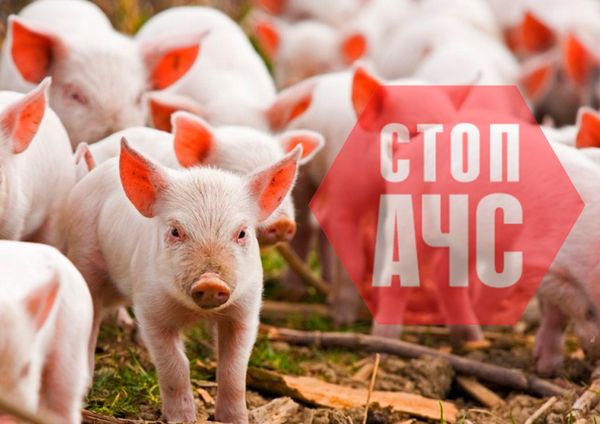
African swine fever (African fever, East African plague, Montgomery’s disease, ASF) is a particularly dangerous viral disease of domestic and wild pigs, characterized by rapid spread, high mortality of affected animals and high economic damage.
For humans and other animal species, African swine fever is not dangerous.
This disease was first reported in 1903 in East Africa and for a long time hadn’t gone beyond the continent. Since 2007, the disease has spread to other territories, and has been officially registered in Georgia, Armenia, Chechnya, Azerbaijan, Nagorno-Karabakh, Ingushetia, Abkhazia, North Ossetia, Orenburg Region, Stavropol and Krasnodar Territories, and Rostov Region.
The main source of infection is sick animals that release the virus into the environment with secretions and end products of metabolism.
Animals are infected through care items, through the digestive tract with infected food and water, through the respiratory tract, through mucous membranes and damaged skin.
Mechanical carriers of the virus can be birds, domestic and wild animals, rodents, skin parasites (some types of ticks, fleas, lice) that have been in contact with sick and fallen pigs.
The duration of the incubation period of the disease is on average from 2 to 6 days.
Sick and surviving animals become lifelong virus carriers.
The person does not suffer from this disease.
The virus persists: in the soil for up to 112 days; in smoked meat for up to 170 days; in animal corpses, the virus dies after 2 months, in frozen carcasses — after 1000 days (3 years).
Only pigs get sick, regardless of age and at any time of the year. Pigs are infected with food, contact, through insects, from any species of animals and birds that have been in contact with sick animals.
In the case of slaughter of animals suspected of ASF disease, meat and slaughter products are prohibited to be eaten, transported and sold.
The main prevention measures for African swine fever are aimed at preventing the introduction and spread of the infection virus.
To this end, the owners of private subsidiary farms, which have pig stock, must comply with a number of rules, the implementation of which will preserve the health of animals and avoid economic losses.:
1. provide service to pigs by veterinary specialists (carrying out veterinary examinations of animals, vaccination, necessary clinical studies, slaughter in specialized slaughterhouses);
2. ensure the operation of the farm in a closed type (no-hog keeping, do not allow pigs to come into contact with other animals, exclude the admission of unauthorized persons to the places where pigs are kept, exclude the delivery of untreated equipment and the arrival of vehicles that have not undergone special treatment on the territory of the pig keeping);
3. conduct a daily inspection of pigs in order to detect possible diseases in a timely manner;
4. every week to treat pigs and premises for their maintenance from blood-sucking insects (ticks, lice, fleas), constantly fight rodents, carry out disinfection measures on the territory of the farm;
5. do not purchase pigs in places of unauthorized trade without veterinary accompanying documents confirming the well-being of the place of export of pigs;
6. carry out mandatory preliminary heat treatment of animal feed, do not allow the use of food waste of unknown origin for feeding pigs;
7. after visiting the places where pigs are kept, persons must necessarily carry out sanitation (shower, change of clothes);
8. for feeding, drinking and caring for pigs, they must have separate clothes and shoes;
9. in feeding pigs, do not allow the use of food waste from military units, public catering enterprises, expired products from landfills, shops;
10. carry out the extermination of rats and the treatment of animals against blood-sucking insects (consultations can be obtained from specialists of the state veterinary service);
11. all cases of swine disease with symptoms of African swine fever or sudden death of animals should be reported to the relevant district territorial inspections and veterinary stations;
12. do not allow the purchase of pork meat products without veterinary accompanying documents, outside of markets, trading enterprises.
To prevent the infection of pigs with African plague in pig farms, it is necessary to monitor the quality of feed, the state of the immune system of animals.
It is regularly necessary to carry out disinfection and deratization in the premises. You can not use new inventory that is not disinfected.
Feed should be purchased in regions where ASF outbreaks have not been reported. Before feeding animal feed, it is necessary to carry out heat treatment.
Do not allow pigs to come into contact with other carnivorous animals, inhabitants of neighboring farms, farms.
Quarantine of imported animals in accordance with the Rules of Animal Quarantine approved by the Order of the Minister of Agriculture of the Republic of Kazakhstan dated December 30, 2014 No. 7-1/700 (registered in the Register of State Registration of Regulatory Legal Acts No. 10223).
Slaughter of animals should be carried out in specialized enterprises. At the slightest suspicion of infection with the African plague virus, pigs are isolated and placed in a separate room. Immediately you need to contact the veterinarian for a comprehensive diagnosis.
An important place in the problem of prevention of African swine fever is taken by measures to prevent the introduction of the virus into pig farms from disadvantaged countries.
The need for strict measures to prevent African swine fever is due to the lack of specific prevention tools and the great damage that can be caused in the event of the introduction of this disease.
KSU " Veterinary Department of the Akimat of the North Kazakhstan region»