Serik Zhumangarin held a meeting to identify intermediary schemes in the sale of basic foodstuffs
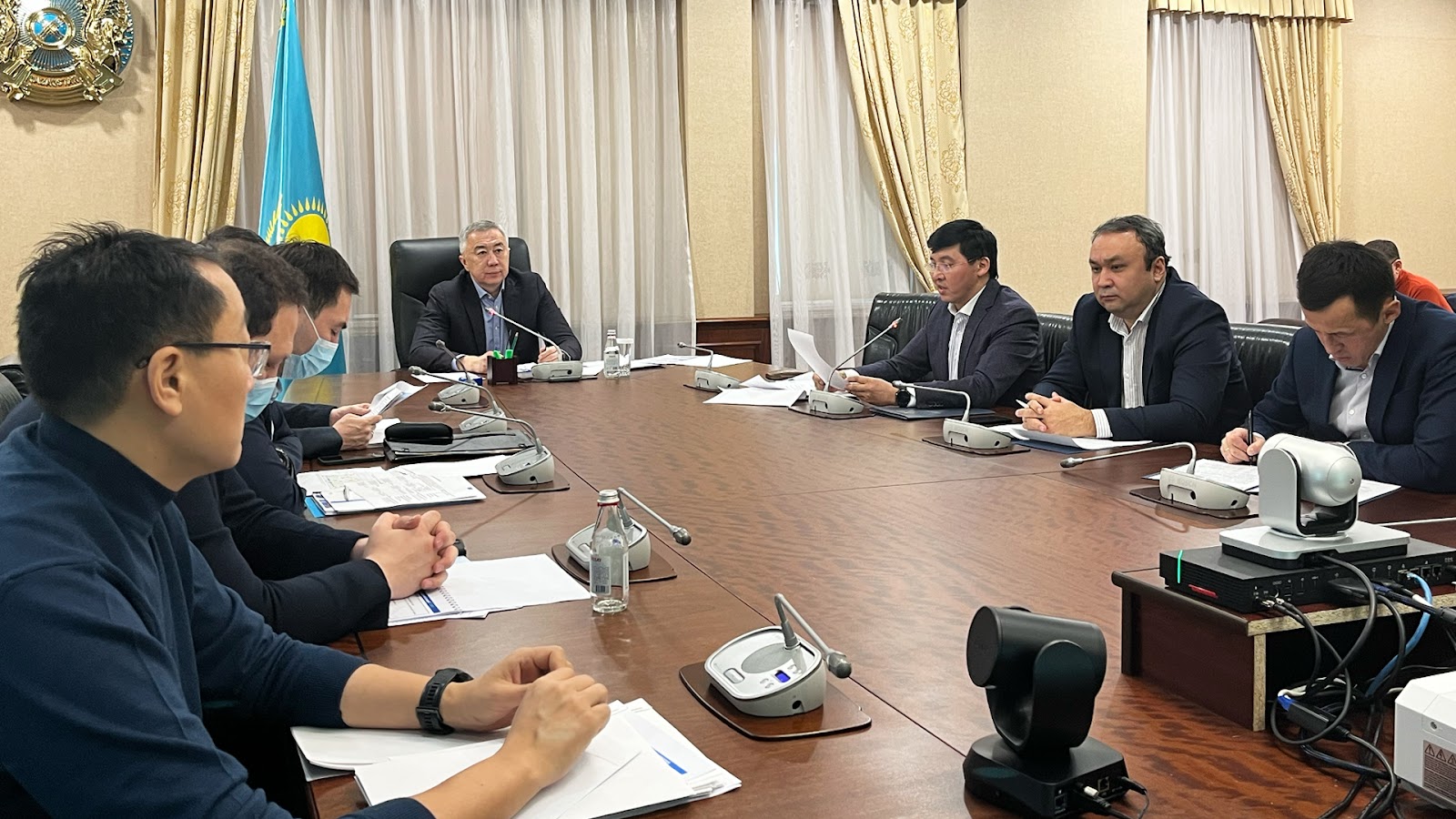
The results of the work of regional commissions investigating intermediary schemes in the sale of basic foodstuffs over the past week were reviewed on Saturday, December 17, at a meeting chaired by Deputy Prime Minister - Minister of Trade and Integration Serik Zhumangarin.
Based on the results of the analysis of electronic invoices The Trade Committee revealed the facts of the sale of chicken eggs in excess of the 15% trade premium established by law for chicken eggs in Akmola, West Kazakhstan and Ulytau regions. In particular, the wholesale distributor of "Chicken Ryaba" LLP in October-November purchased more than 25 million pieces of eggs of the first category from two poultry farms, of which 6 million pieces were sold with a trade mark-up of 25 to 27%. All materials on the revealed facts in the regions were transferred to akimats for taking appropriate measures.
"We do not demand the impossible from business, we understand that it is impossible to work at a loss. But it is necessary to work within the framework of legislation, not to exceed the established trade allowance for socially significant food products. I once again focus the attention of akimats on the need to stop the practice of violating the trade allowance," Serik Zhumangarin stressed.
The meeting discussed the process of implementing new approaches to financing sugar factories within the framework of the "revolving scheme". As of today, 10 regions have already signed loan agreements (plus three from last week) for a total amount of 10.8 billion tenge (7.664 billion last week). Almaty, Astana, Shymkent, Zhetysu, Mangystau, Aktobe, Almaty, Turkestan, Ulytau regions confirmed their readiness to sign similar agreements by the end of next week.
Vice Minister of Agriculture Zhenis Oserbai informed about the progress of work on financing farmers, producers of socially important food products and on the allocation of working capital to processing enterprises.
"Forward financing of farmers for spring field work for the subsequent supply of vegetables to the stabilization funds will be carried out a year in advance. In 2023, funds for the purchase of an early harvest will be allocated until January 10 and until February 1 – for the autumn harvest of 2023. In subsequent years – until August 1 for the early harvest and until September 1 for the autumn harvest next year. This mechanism has already been approved," Zhenis Oserbai said.