Elections to the UN human rights council have ended
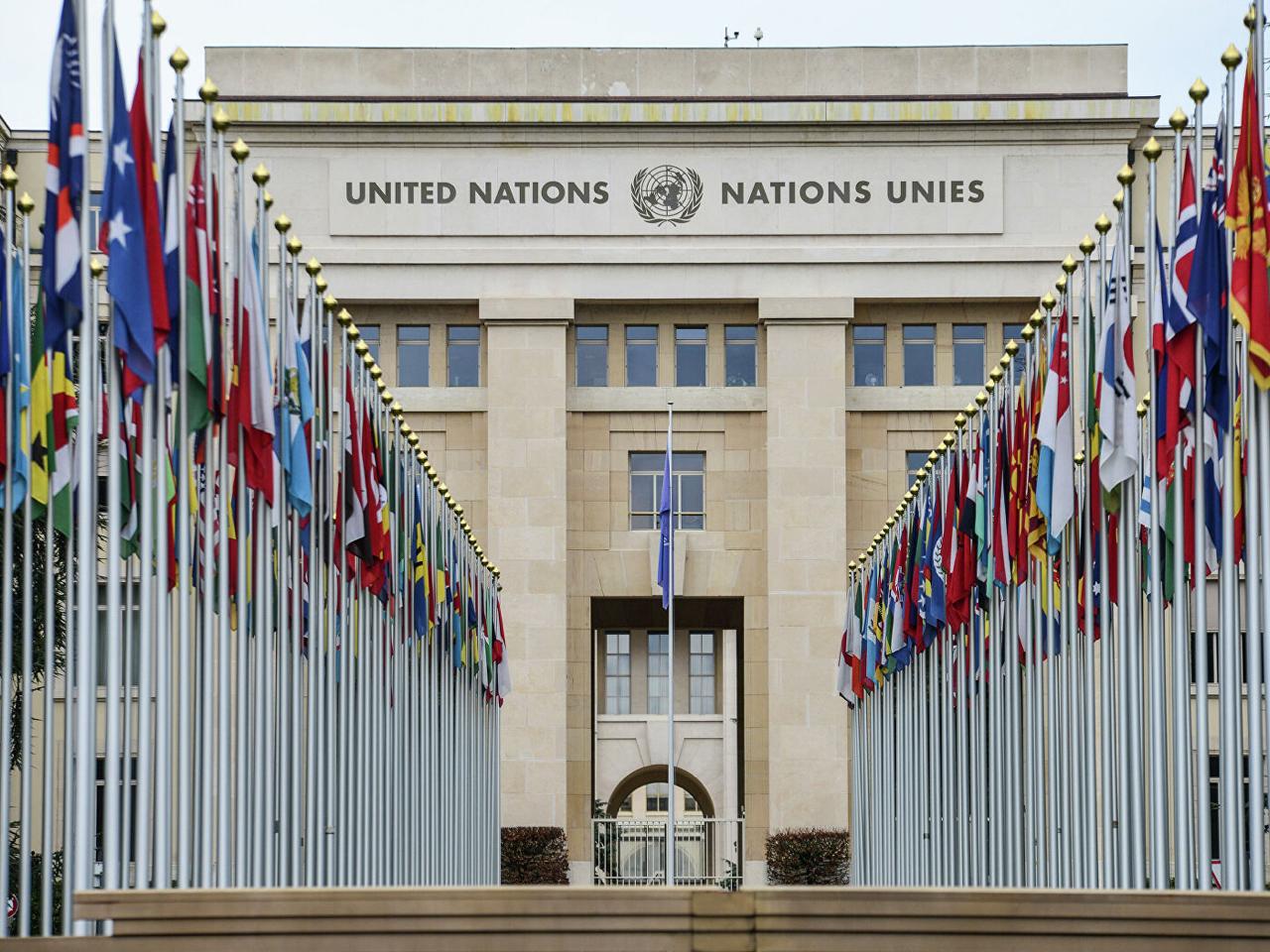
On October 13, the 75th session of the UN General Assembly was held, during which new members of the UN human rights Council were elected.
15 countries were elected as members of the Council: Bolivia, Great Britain, Gabon, China, Cote d'Ivoire Coast, Cuba, France, Malawi, Mexico, Nepal, Pakistan, Russian Federation, Senegal, Ukraine, Uzbekistan.
The human rights Council is an intergovernmental body of the UN system composed of 47 States responsible for the promotion and protection of all human rights around the world. It was established in 2006. The resolution establishing the UN human rights Council States that "Council members must maintain the highest standards in the promotion and protection of human rights."
The term of office of each member is three years, and no member may serve more than two consecutive terms. Seats are distributed among the UN regional groups as follows: 13 seats for the African States, 13 for the Asian States, 6 seats for Eastern European countries, 8 seats for Latin American and Caribbean countries, and 7 seats for Western European and other States (including the United States, Canada, and Israel).
The General Assembly has the right to suspend the rights and privileges of a member of the Council if he persistently commits gross and systematic violations of human rights. The Council is responsible for discussing all thematic issues and situations in the field of human rights that require its attention throughout the year. Meetings of the human rights Council are held at the UN office in Geneva.
Elections to the Council are held by secret ballot, and the candidate country must receive at least 97 votes, i.e. a majority of the votes of the 193-member UN.
National center for human rights