Kazakhstan will export stone fruit crops to China
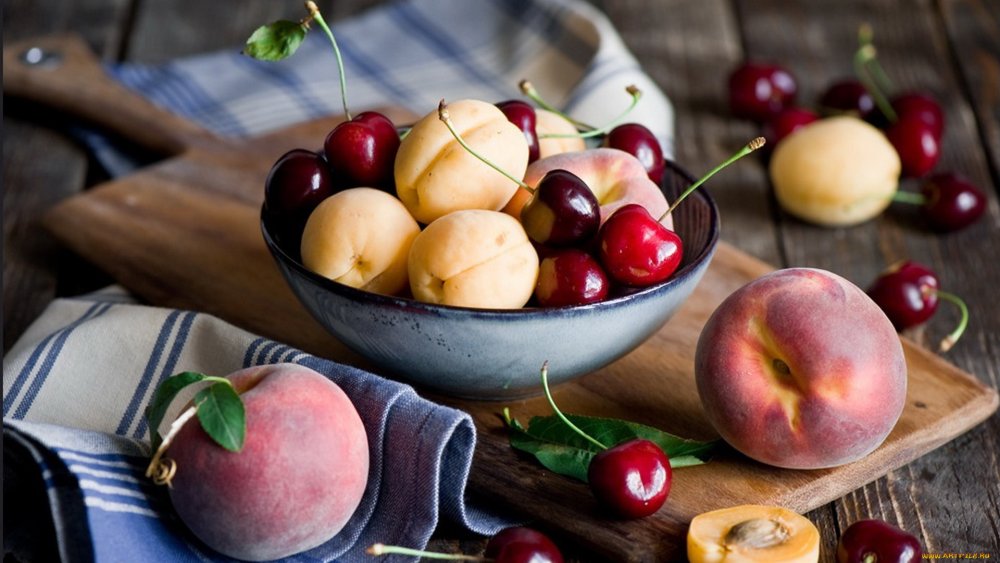
In early November, after talks with Minister of Trade and Integration Arman Shakkaliev in Beijing, China's General Administration of Customs expressed its willingness to buy stone fruits from Kazakhstan.
Today, the Ministry of Agriculture of the Republic of Kazakhstan signed a Protocol with the General Administration of Customs of China in the framework of the 11th meeting of the Kazakhstan-China Cooperation Committee in Astana.
The Protocol on Phytosanitary Requirements for Export Consignments of Fresh Stone Fruit Crops states that for export, Kazakhstani fresh stone fruit crops (including peaches and apricots) must comply with all applicable Chinese phytosanitary laws and regulations, health and safety standards, and must not contain quarantine pests or be mixed with soil.
All orchards and packing enterprises wishing to export stone fruit crops to China must be registered with the Ministry of Agriculture of the Republic of Kazakhstan and approved by both the Ministry of Agriculture of the Republic of Kazakhstan and the General Administration of Customs of China
Packed stone fruits should be stored in the box with stone fruits only. Each box shall be labeled in Chinese or English with the name of the fruit, exporting country, place of production, name or code of the orchard and packing house. Each box and pallet shall bear the following text in Chinese or English: «Exported to the People's Republic of China».
Ports of entry of Kazakh stone fruit crops are all Chinese ports and airports authorized by the General Administration of Customs of China for fruit imports.
Recall, during a meeting with the Minister of Trade and Integration Arman Shakkaliev Main Customs Administration of China expressed willingness to lift existing restrictions on the supply of heat-treated meat products from Kazakhstan.
It should be noted that today Kazakhstan has signed protocols with China on the export of 23 types of crop and livestock products, including wheat, flax seeds, barley, alfalfa, corn, honey, wool, dairy products, beef, mutton and pork and others.