Free through-the-air transit and new goods for public procurement in the EAEU perimeter
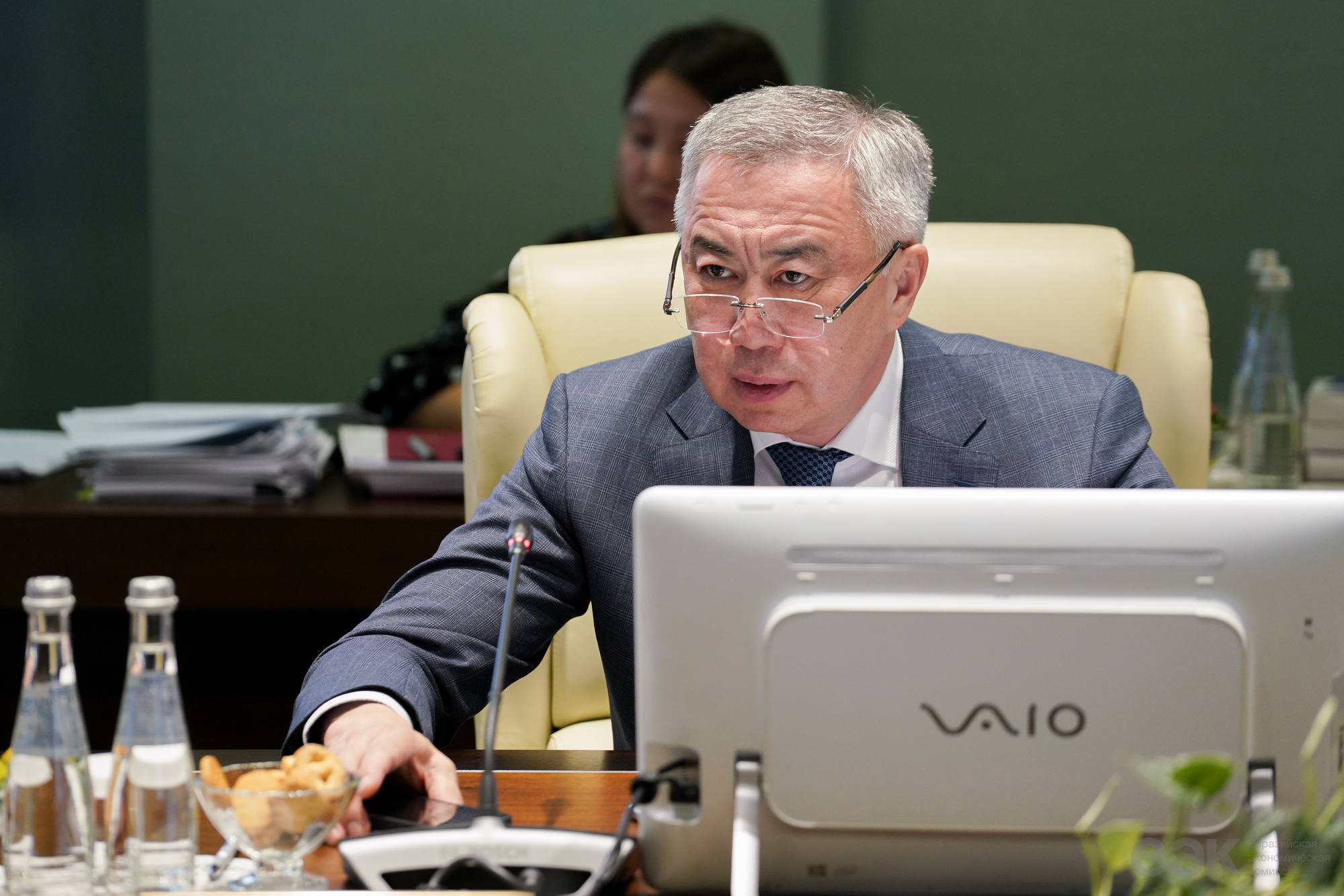
Once again, the EEC Council, held on June 23, 2023 in Moscow with the participation of Deputy Prime Minister-Minister of Trade and Integration of Kazakhstan Serik Zhumangarin, unanimously supported the proposal of the Kazakh side to further expand the list of goods available for business participation in public procurement of the countries of the Eurasian Economic Union. The list of goods available for purchase without separate national requirements has expanded by another six items, it includes electrical capacitors and measuring transformers. Recall that at the May and January meetings of the EEC Councils, this list was supplemented with 8 and 55 additional commodity items, respectively.
Also, at the initiative of the Kazakh representatives, the issue of making changes to the transit declaration form and the procedure for filling it out was resolved. The issue concerned the mandatory indication in the document of the currency, the cost of goods and the HS code for transit transportation by air. For the national air carrier and other airlines of Kazakhstan, this is a very significant moment, since when delivering goods from Asia to Europe, they are initially delivered to Almaty, then transported from Almaty to Astana and further to European countries. It turns out the so-called through transit. And in transit cargo, the required data on cost and currency are often not available. Because of this requirement in the transit declaration, Air Astana and other air carriers were forced to suspend transit cargo transportation between Asia and Europe through the territory of Kazakhstan, despite the favorable geographical location of our country. The Kazakh side used the right of veto and submitted to the EEC Council a proposal to amend the decision adopted on May 30, 2023 by the Board of the Eurasian Commission, which retained this norm, regarding the non-proliferation of this requirement to Kazakhstan. The Council members supported Kazakhstan's proposal and instructed the EEC Board to make the necessary changes immediately.
One of the significant documents adopted at the EEC Council was the Protocol on Amendments to the Agreement on the Customs Code of the EEC. The document provides for the creation of a new legal institution in the field of customs regulation – an electronic commerce operator. The operator will provide logistics of operations with goods purchased by individuals on electronic trading platforms, interact with Internet platforms and customs authorities, ensure the processes of customs declaration and storage of electronic trade goods. Now the document approved at the meeting of the EEC Council will be sent to the EAEU member states for carrying out the necessary internal procedures.
Amendments have been made to the technical regulations of the Customs Union on food safety in terms of establishing the maximum permissible levels of residues for 75 types of veterinary medicinal products that can be contained in food products of animal origin. These changes, on the one hand, strengthen the requirements for food safety, will allow the rapid application of methods for detecting residues of veterinary medicines in food, including when new drugs appear. On the other hand, they are aimed at removing technical barriers to trade, since they set specific numerical values for the maximum permissible residues of veterinary drugs in food, thereby prohibiting the introduction of restrictions in mutual trade when they are detected in smaller volumes.
The EEC Council also approved the procedure for coordinating standardization work within the EAEU, resolved the issue of amendments to the rules for conducting pharmaceutical inspections, which will ensure the export of pharmaceutical products from manufacturers of the EAEU countries to other countries. Decisions were also considered and made on procedural issues, updating documents and plans for the development of technical regulations of the EAEU.