What has been decided and what needs to be done – Serik Zhumangarin held a second meeting with residents and the business community of Shymkent
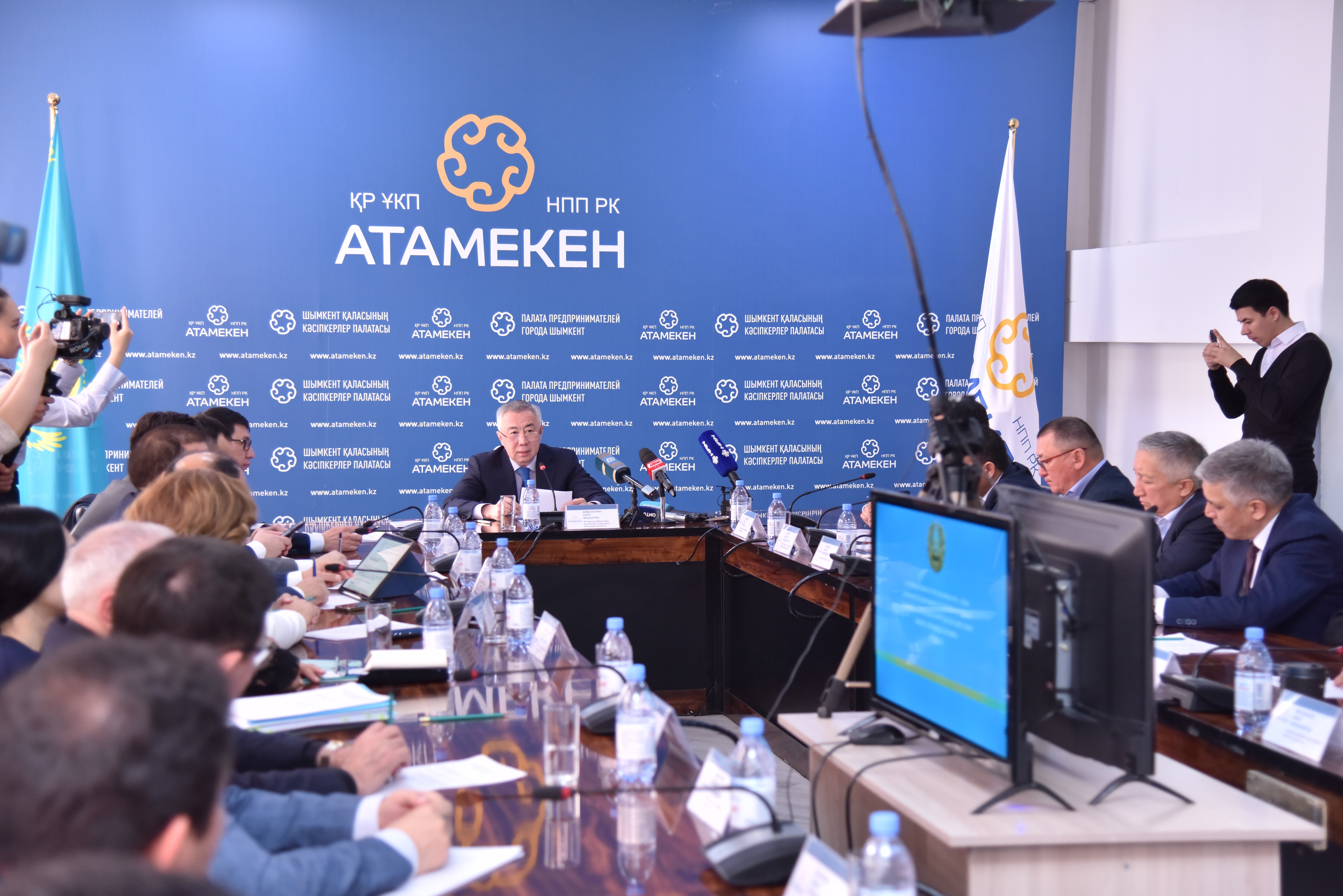
On March 2 of this year, Deputy Prime Minister - Minister of Trade and Integration Serik Zhumangarin held a meeting with residents and entrepreneurs of Shymkent.
This is the second meeting with Shymkent residents in the last six months. At the first stage, the business community raised many significant issues that hinder the full development of their business. And this time Serik Zhumangarin, in addition to informing about the Government's measures to support citizens and entrepreneurs of Kazakhstan, spoke about the progress of work on the issues voiced at the first meeting.
Among the resolved issues is the issue of customs exemptions for the export of wool and hides, which is most often raised in the regions.
«This issue has been repeatedly raised in different regions, in East Kazakhstan Region, in Astana, when I met with sheep farmers. Recently, a decision was made on it: on February 22, at a meeting of the Interdepartmental Commission, the issue of extending the zero ETP rate for wool was approved. After receiving a positive conclusion of the Republican Budget Commission, MTI will carry out all the necessary procedures to amend the list of goods for which export customs duties are applied»,— Serik Zhumangarin said.
Another important issue is in the work – the availability of certificates of origin of ST-KZ goods for light industry goods purchased by state bodies and companies of the Samruk-Kazyna Fund in terms of the share of local content. The MIT Technical Regulation and Metrology Committee is dealing with this issue. The Committee has already conducted an analysis of the Fund's purchases, identified potential inconsistencies and is working with the Fund on measures to eliminate them.
Entrepreneurs of the southern regions in November last year asked to speed up the process of accreditation and obtaining a Eurocode by agricultural enterprises for exporting products to European countries. Serik Zhumangarin explained that the Ministry of Agriculture is very closely involved in this issue. Recently, during a visit to Brussels, Minister of Agriculture Yerbol Karashukeyev and Deputy Director General of JSC Kaztrade Center for Trade Policy Development Assel Egemberdieva met with European commissioners. As a result of the negotiations, it was agreed that on March 15, 2023, the list of fish will be officially updated. There are already commercial agreements for the purchase of Kazakh fish products with France and Switzerland. Currently, an audit of fish producers is being completed, which will allow us to start work on including honey, dairy and meat producers in the registers of importers.
During the second meeting, residents and entrepreneurs of the city raised issues of grain transportation, subsidizing the development of livestock breeding, the possibility of subsidizing the transport costs of producers of southern regions for the delivery of goods to the western or eastern regions of Kazakhstan, the competitiveness of Kazakhstani textiles within the country, and others. In particular, the head of Otan-Agro LLP Berik Oryntayev raised the issue of subsidizing greenhouses.
«oday, the main share of industrial greenhouses of the republic is concentrated in Shymkent. The payment of utilities during the off-season aggravates the situation of greenhouses. Is it possible to subsidize 50% of greenhouse payments for utilities?», — he asked.
Serik Zhumangarin spoke about the Government's work on measures to support greenhouses.
«In February, I was in Saryagash and Maktaaral districts of Turkestan region. In winter, greenhouses suffered there due to abnormal cold weather, snowfall and lack of coal. More than 2 million people live in the region, and the task of the state is to create as many conditions as possible for the development of production, new jobs. It was decided to allocate subsidies to support greenhouses. Currently, a national standard for greenhouses is being developed, after approval of which changes will be made to the legislation for the possibility of allocating subsidies to greenhouse farms. In addition, recently an agreement was reached with the management of the Shubarkul coal mine on the possibility of selling coal to greenhouses directly, through the exchange, with the help of dealers. So I think this issue will be resolved soon»,— the Deputy Prime Minister explained.
After the meeting with the business community, Serik Zhumangarin held a personal reception of citizens and a briefing for the media.