Efficiency and timeliness – without formalism
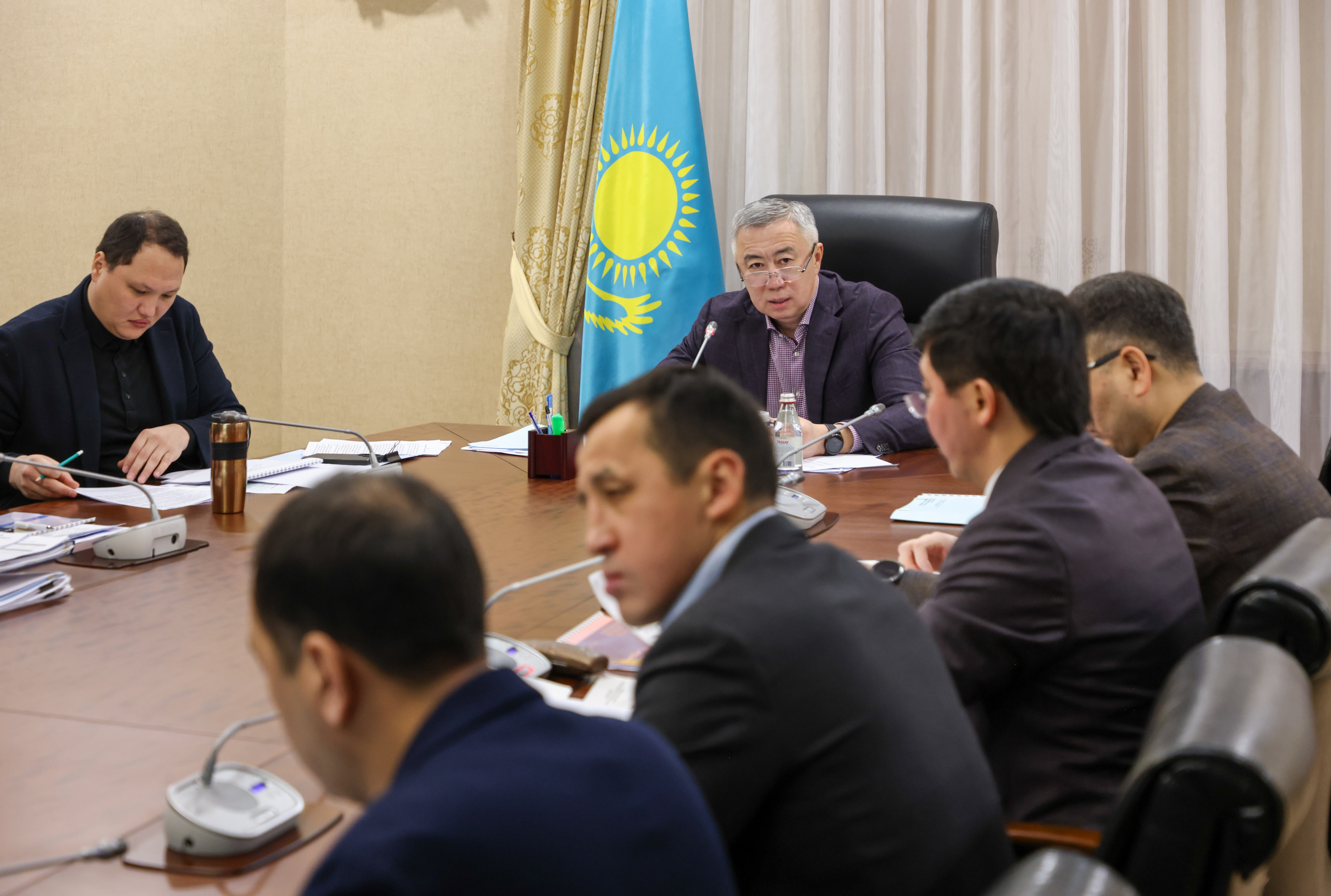
On Saturday, December 3, Deputy Prime Minister - Minister of Trade and Integration of the Republic of Kazakhstan Serik Zhumangarin held a meeting on price stabilization for socially important food products.
The meeting reviewed the full range of operational measures taken to curb prices from a sharp increase in December 2022 and spring 2023, and systemic. In the operational, a large role is assigned to the work of regional commissions to identify intermediaries and analyze pricing chains. But the results of these commissions still leave much to be desired.
- The work of regional commissions to investigate intermediary schemes for the sale of basic foodstuffs is carried out haphazardly, in November, in total, only 25 meetings were held, - Acting Chairman of the Trade Committee Aidar Abildabekov informed. - At the same time, not a single meeting was held in Turkestan, Kyzylorda, Karaganda, East Kazakhstan, Almaty regions and Astana over the past month. Accordingly, there are no results of their work: over the past week, the largest price increase has been observed in the Almaty region – by 0.7% in total for 6 products of the NWPT category (rice, cottage cheese, salt, chicken meat, kefir 2.5% fat content, eggs of category 1), in Astana – by 0.5% (grade 1 flour, grade 1 flour bread, carrots, onions, sugar). The Trade Committee revealed the facts of excess of the trade margin by persons purchasing eggs at the Ural poultry farm and selling them in excess of the trade mark-up. Similar cases have been established in other regions.
Vice Minister of Agriculture Zhenis Oserbai presented three stages of new approaches to the work of the stabilization funds. According to statistics, the main impact on food inflation this year was a sharp increase in sugar prices (71.9% for 11 months of 2022) and fruit and vegetable products (May-July 2022). The new approaches are aimed, among other things, at preventing a sharp increase in prices for vegetables in the off-season and allocating affordable financing to producers of basic foodstuffs in preparation for the next season.
The first stage is the purchase of fruit and vegetable products (effective from November 25 this year), financing of the autumn harvest of 2023 (until February 1, 2023), and subsequently, annually, until September 1 of the current financial year, financing of the autumn harvest of the following year.
The second stage is the forward purchase of raw materials through processors of buckwheat, rice, sunflower oil (from March 1, 2023), the allocation of working capital to sugar producers (in operation since October this year).
The third stage is flour, beef, poultry, pasta, bread, milk and dairy products, eggs (from June 1, 2023, the mechanisms are being worked out). Counter obligations on the part of manufacturers at all three stages will be fixing prices for manufactured products.
- It is necessary to resume weekend fairs, create conditions for people to purchase the necessary goods without extra margins and intermediaries, - Serik Zhumangarin summed up the results of the meeting. - I instructed the regions to hold meetings of regional commissions at least three times a week to investigate intermediary schemes and pricing chains. And as a result, now the Trade Committee manually accompanies their activities. All violations are on the surface, it is enough just to compare wholesale and retail prices. The regional commissions are not fulfilling their main function, and this is where efficiency and timeliness are needed. In turn, the Ministry of Agriculture needs to continue work on reformatting the work of the stabilization funds.