Kazakhstan and Russia discussed issues of cooperation on lifting restrictions in trade relations
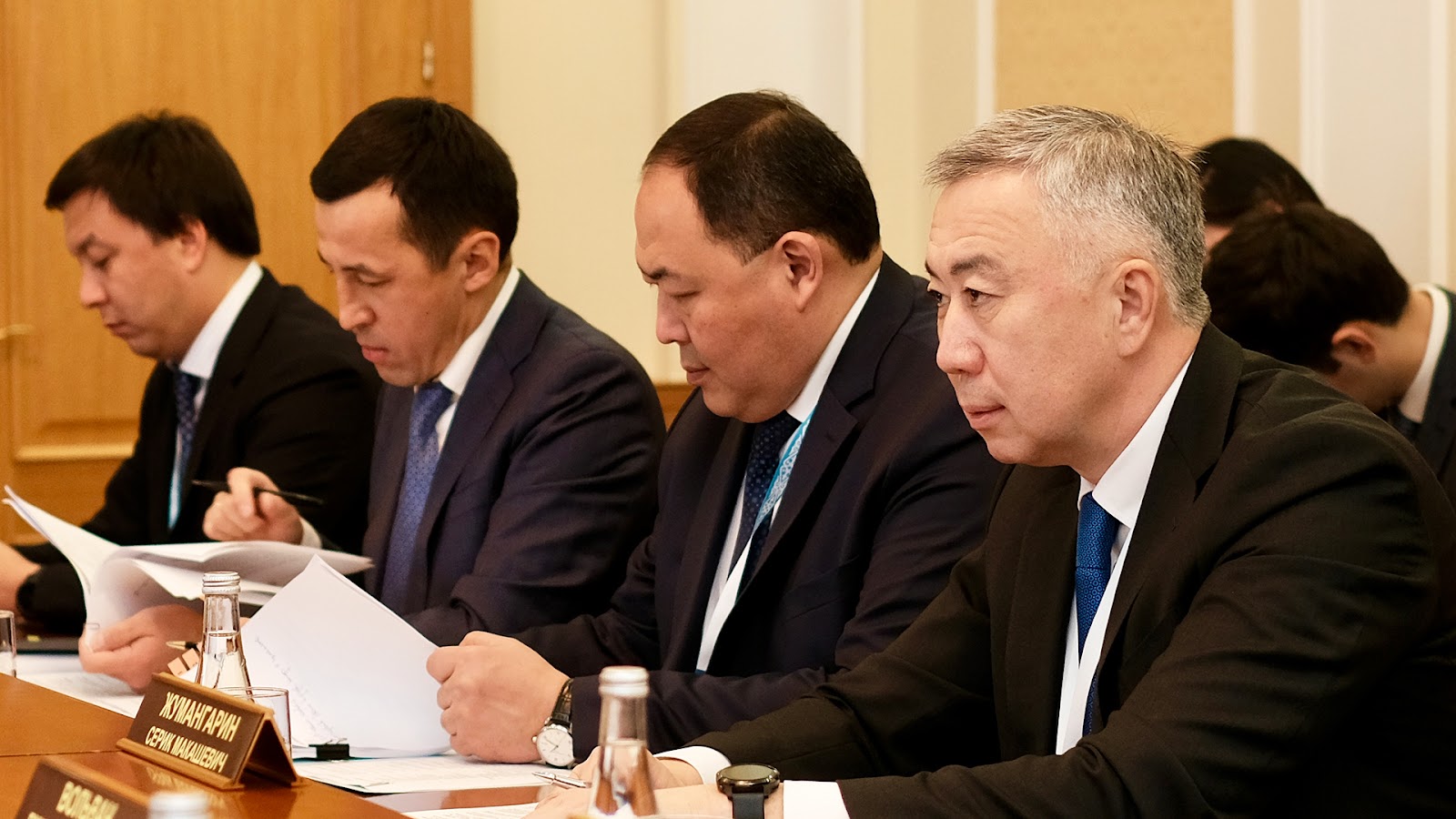
Deputy Prime Minister - Minister of Trade and Integration of the Republic of Kazakhstan Serik Zhumangarin and Deputy Prime Minister of the Russian Federation Alexey Overchuk held a bilateral meeting on the sidelines of the XVIII Forum of Interregional Cooperation of Kazakhstan and Russia in Orenburg.
One of the key issues raised by the Kazakh side was cooperation in the supply of timber to Kazakhstan. In particular, the rise in their cost and delays due to the need for deliveries exclusively by rail. Traditionally, timber, like roundwood, was supplied to Kazakhstan by road. However, recently the Russian side has notified of its intention to allow export only by rail.
The parties also discussed the unified regulation of mineral fertilizers in the EAEU. In Kazakhstan, mineral fertilizers are subject to mandatory certification according to the national technical regulations and are registered as chemical products, in the Russian Federation — according to the procedure of state registration of pesticides and agrochemicals.
"Russia is our country's largest trading partner. There are producers of complex fertilizers in Kazakhstan who are interested in exporting fertilizers to Russia, but there are many procedural barriers. These are long registration periods, which sometimes take up to two years, expensive tests, the need to obtain various conclusions from the state bodies of the Russian Federation. And the result of registration is not guaranteed," Serik Zhumangarin said, suggesting that when registering in Russia, the information contained in the safety data sheet of Kazakhstani manufacturers should be recognized and only bioefficiency tests should be carried out, as well as the number of procedural issues from Rospotrebnadzor, the time for reviewing materials and issuing an opinion by the Ministry of Agriculture of Russia should be reduced from six months to one.
The Kazakh delegation also raised the issues of restricting access of domestic suppliers-manufacturers to the public procurement market of the Russian Federation, cooperation in the field of transport and transit, in particular, Kazakh coal and iron ore raw materials, changing the algorithms of work and expanding the capacity of border checkpoints, and others.
A double–edged issue is the problems that carriers face when crossing the border on both sides. For the Kazakh side – for transportation by trucks, for the Russian side – by railway transport. Both sides agreed to consider in detail all the possibilities of resolving these restrictions as soon as possible.
The Russian side raised issues of approving permits for Russian airlines to operate flights, cooperation in the financial and banking sector, the allocation of the Eurasian Fund for Stabilization and Development into an independent international financial organization, as well as cooperation in the field of industry and energy. The participants also discussed a number of issues of interaction within the EAEU.
The parties agreed to work intensively on all the identified issues and return to their detailed discussion on December 13 this year.