A regular meeting of the Council of the Eurasian Economic Commission was held in Moscow
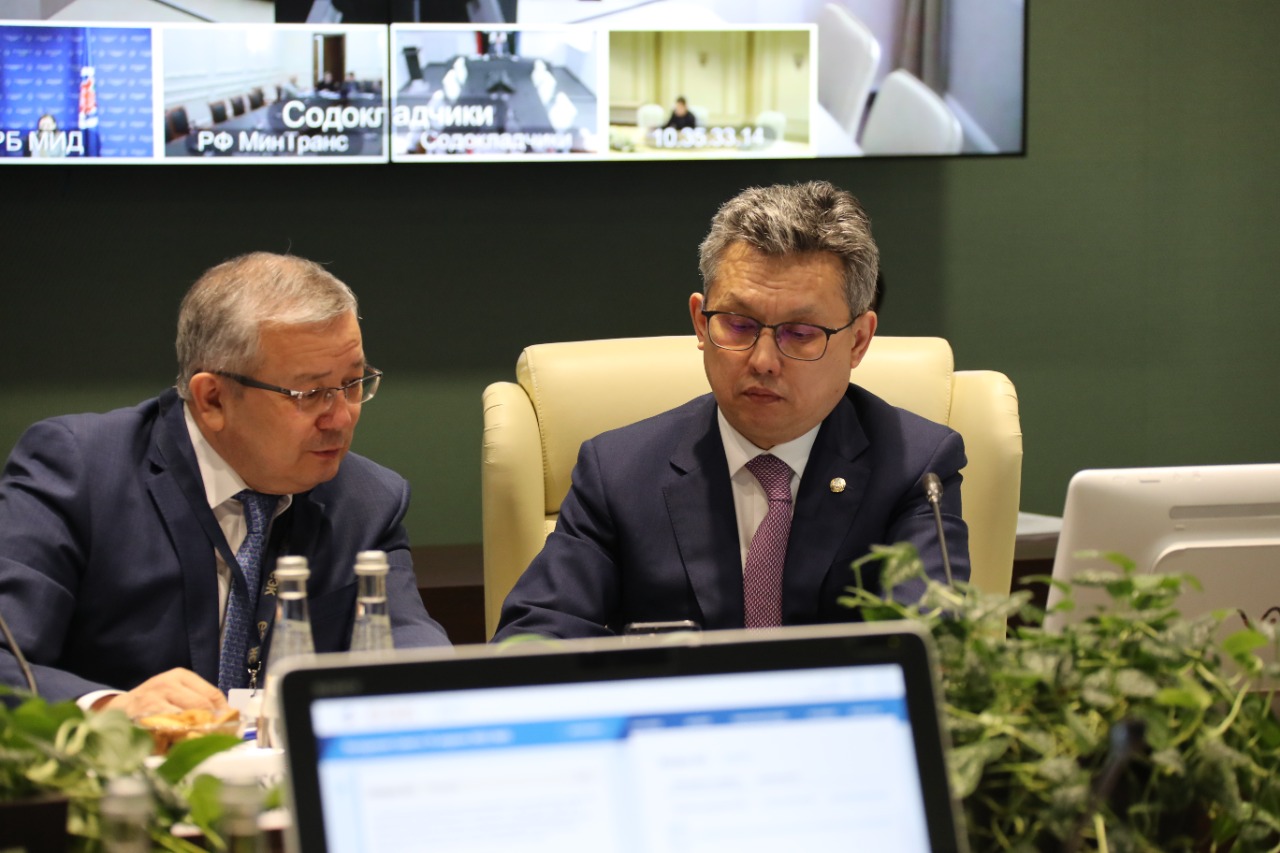
The Kazakh delegation was headed by Deputy Prime Minister - Minister of Trade and Integration Bakhyt Sultanov.
The EEC Council considered about 50 issues.
The members of the Council supported the initiative of Kazakhstan on the need to ensure the openness of the work of the EEC Board. Thus, the decision to broadcast the meeting of the Board for the authorized bodies of the participating countries was approved. This will ensure transparency of decision-making processes on issues affecting the economic interests of the member States of the Eurasian Economic Union.
In order to avoid a shortage of essential goods and prevent social tension in the EAEU member States, the Council members decided to increase the rate of import of goods for personal use by individuals. Until October 1, 2022, individuals can transport goods up to 1,000 euros or weighing up to 31 kilograms by any means other than air transport. The rate of import by air transport remains at the current level: up to 10,000 euros or up to 50 kilograms.
The parties also approved the adoption of amendments to the technical regulations of the Customs Union "On the safety of perfumery and cosmetic products".
In particular, the amendments provide for the harmonization of substances prohibited and permitted for use in perfumery and cosmetic products with the EU Regulations. Thus, the list of substances prohibited for use in perfumery and cosmetic products in the EAEU was supplemented with 296 items, 6 of which were previously included in the list of permitted. The list of permitted substances has also been supplemented with 12 items. This will make it possible to exclude the possibility of using potentially dangerous products for public health on the territory of the EAEU.
The members of the EEC Council approved the Procedure for Interaction between the EAEU member States and the Eurasian Economic Commission when states introduce and cancel restrictions on mutual trade in goods on the grounds specified in the EAEU Treaty.
According to the new Procedure, the parties undertook to inform each other and the Eurasian Economic Commission about the import restrictions no later than 10 days before the entry into force of the restrictions. It also provides for the possibility of holding consultations, including to discuss the feasibility of implementing restrictive measures by all or individual Member States.
As B. Sultanov noted, "The unified order of interaction will minimize the negative consequences of the imposed restrictions due to open, predictable actions of the member states, justifications of the need and timing of their introduction. But most importantly, it will avoid cases when neither the member countries of the Union nor the business of their countries knows about the restrictions imposed by their neighbors, encountering them only at the border when exporting."
The members of the Council also approved changes to the Procedure for the development, adoption, modification and cancellation of technical regulations of the EAEU.
The updated Procedure provides for shortening the time and optimizing the procedures for the development of technical regulations, synchronizing national approval procedures with regulatory impact analysis. At the suggestion of the Kazakh side, a model provision for working groups will be introduced to streamline and improve the effectiveness of the working groups.
Similar changes ensuring the improvement of procedures have been introduced in the new edition of the Procedure for the Development and Adoption of Lists of international and regional (interstate) standards.
It was decided to temporarily suspend until December 31, 2022 the requirements of the current regulations of the Customs Union "On the safety of wheeled vehicles" TR CU 018/2011, in terms of equipping with electronic stability control systems. This is due to the difficulties of automakers of individual member countries with the supply of such systems, which jeopardizes the shutdown of the automotive industry.
During the Council, the Deputy heads of the governments of the EAEU member states reviewed the reports of the members of the EEC Board on the implementation of the main directions of the EEA international activities in 2021, as well as on the implementation of projects within the digital agenda of the Eurasian Economic Union, as well as on the results of work to eliminate obstacles in the internal market of the Eurasian Economic Union for 2021 and a number of others.
During the meeting of the EEC Council, the participants agreed on the agenda of the meeting of the Supreme Eurasian Economic Council, which is scheduled for the end of May.
The next meeting of the Council of the Eurasian Economic Commission will be held in the second decade of May this year.