Kazakhstan: exports from the EAEU should not harm the domestic market
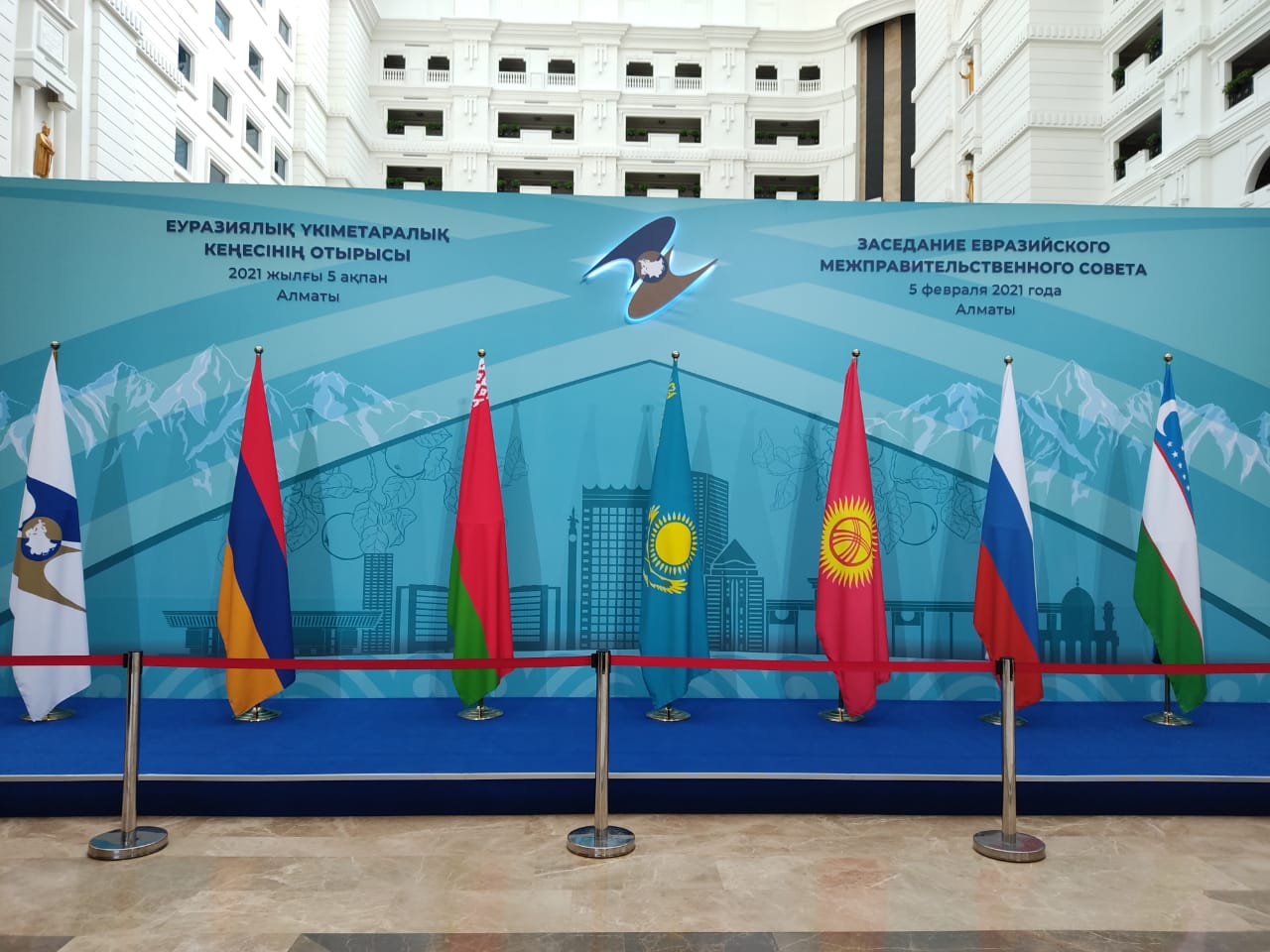
Today in Almaty, the heads of government of the member states of the Eurasian Economic Union discussed topical issues of the development of integration processes in the Eurasian space.
The central issue of the high-level discussions is the elimination of barriers in the mutual trade of the EAEU countries.
During the current meeting, special attention is paid to the regulation of the scrap metal market. The discussion revolved around the decisions of the Board, which recognized the measures to regulate the export of scrap in Kazakhstan and Belarus as barriers.
"Kazakhstan has established a restriction on the use of motor vehicles in the export of scrap. The measure is part of a comprehensive fight against the shadow turnover of scrap metal and is absolutely not contrary to the Treaty. Every year, the shadow turnover of scrap leads to losses of the state budget in the amount of more than 3.5 billion tenge, " Minister of Trade and Integration of Kazakhstan Bakhyt Sultanov said on the sidelines of the Eurasian Intergovernmental Council. He also explained that the Republic of Kazakhstan vetoed the decision of the EEC to recognize the ban on the export of scrap cars from the Republic of Kazakhstan as a barrier.
As Bakhyt Sultanov explained, today all the EAEU countries apply various measures to restrict the export of scrap and ferrous metal waste. "For example, in Belarus, to export scrap, you need to get a special government permit. Armenia and Kyrgyzstan have imposed a ban on the export of scrap metal for six months."
The Kazakh side believes that the satisfaction of the domestic market of scrap turnover in the EAEU should be achieved by redirecting export flows to the needs of processing enterprises of the countries. "If there is a deficit in the domestic market, then our countries can jointly balance the market. But if individual countries, in the presence of a shortage of scrap to load their enterprises, continue to actively export it to third countries, then there is no reason to demand unconditional supplies of scrap from the EAEU partners to the detriment of their own industry»,- said Sultanov. Adding that scrap of the Republic of Kazakhstan, RA, KR, RB is mostly consumed by enterprises of the Russian Federation. While the Russian scrap "goes" to the far abroad.
Currently, Moscow has begun to put up barriers to the export of its scrap to third countries: from January 31, an increased rate of export customs duty on the export of scrap was introduced for 180 days, which should reduce the export attractiveness of the industry.
Following the discussion, the parties agreed to hold additional consultations both on the five - party and bilateral formats, during which the countries should agree on the internal balances of this strategic raw material.
Another key issue on the agenda was the use of the" veto " of the EAEU member state to trade measures.
"Kazakhstan considers the use of the right of veto as an absolute sovereign right of the state. It allows us to prevent the Board from making decisions that would contradict our economic interests. But at the same time, there should be clear rules for applying the right of "veto" to trade measures, because the application of such measures is clearly regulated by international WTO law," Bakhyt Sultanov explained.
The result of the negotiations was the achievement of a compromise on almost all points of the draft Regulations on the use of" veto " by countries to decisions of the Eurasian Economic Commission on trade measures.
The parties also agreed on the Procedure for coordination and analytical support of breeding work in the field of livestock breeding and a report on the macroeconomic situation in the EAEU countries. These agreements will help outline the horizons for further development of the EAEU market.
In addition, the heads of government approved the candidacy of Ruslan Bakytzhanovich Beketayev for the position of a member of the Board for Economics and Financial Policy of the EEC.
Recall that today in Almaty, a meeting of the Eurasian Intergovernmental Council was held under the chairmanship of the Prime Minister of the Republic of Kazakhstan A. U. Mamin.