В Казахстане сохраняется нулевой рост цен на социально значимые продукты четвертую неделю подряд
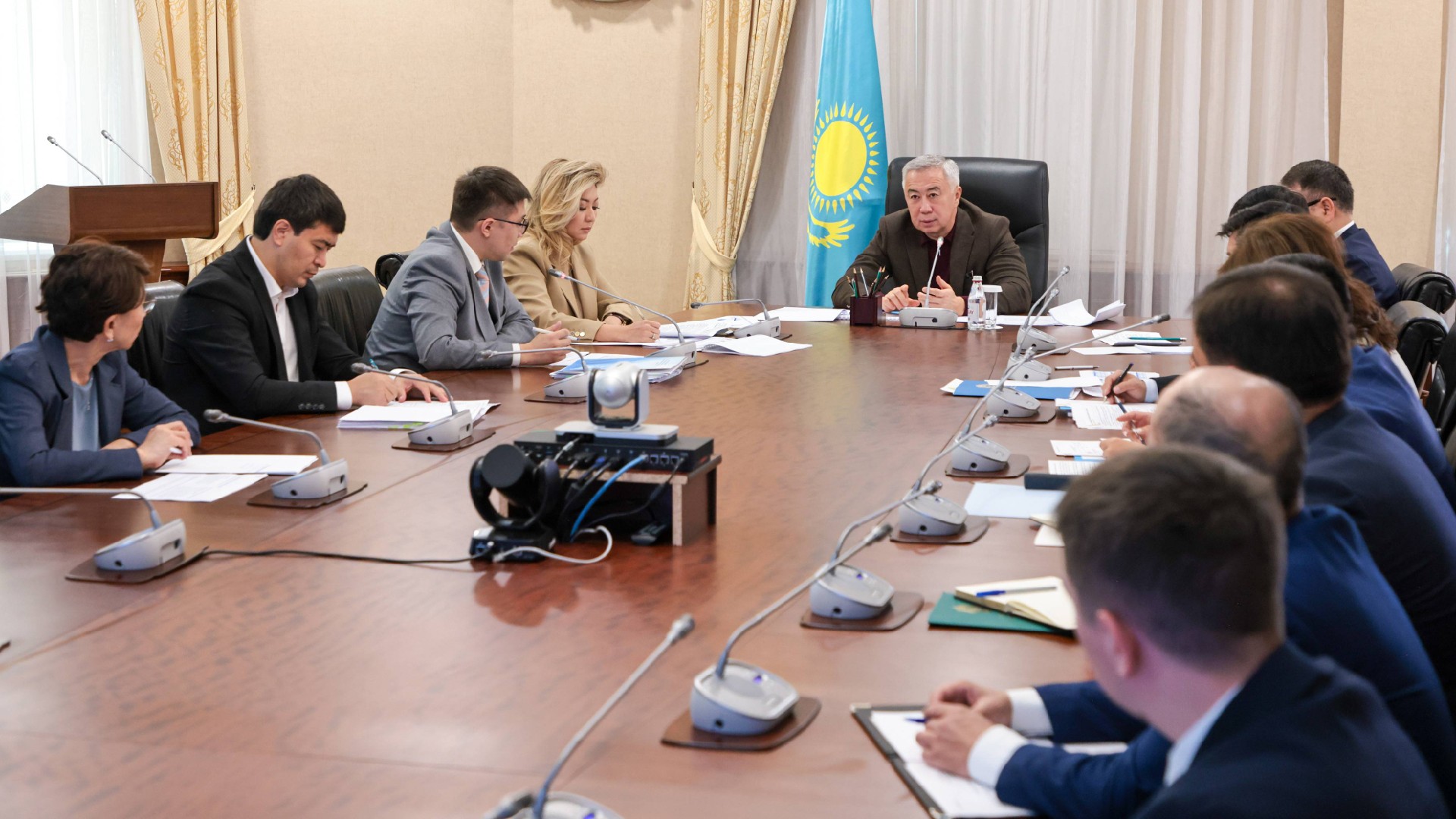
On Saturday, a meeting was held under the chairmanship of Deputy Prime Minister - Minister of National Economy Serik Zhumangarin, devoted to the analysis of inflation factors and the development of prompt measures to curb it.
According to First Vice Minister of National Economy Azamat Amrin, in August, annual inflation accelerated to 12.2% (in July - 11.8%). The most noticeable price increases were noted in Karaganda (14.4%), Ulytau (13.6%), Akmola (13%), Atyrau (12.8%), North Kazakhstan (12.6%), Aktobe (12.5%), West Kazakhstan (12.4%) regions, as well as in Astana (12.8%) and Almaty (12.7%).
"The main impact was exerted by paid services - utilities (+2.9%), transport (+1.7%) and healthcare (+0.9%)," noted Azamat Amrin.
Non-food products increased in price by 1% on average. At the same time, a decrease in the price of certain categories was recorded: refrigerators and freezers (-1.5%), stoves (-6.3%), glassware and cutlery (-0.1%).
Since the beginning of the second quarter, the rate of food inflation has decreased by half: in August, an increase of only 0.5% was recorded. For the fourth week in a row, there has been zero growth in prices for socially significant food products, which for the first time since the beginning of the year has allowed their index to decrease to 7.8%.
According to First Vice Minister of Trade and Integration Aizhan Bizhanova, imported products have a significant impact on food inflation (23-27% in the structure of food products). In order to effectively contain food inflation, it is proposed to strengthen measures under import substitution programs.
"Over the week, vegetables and rice have become cheaper, the sugar index has decreased. The growth of prices for salt and sunflower oil has slowed down, largely due to agreements concluded with producers to contain prices," Bizhanova emphasized.
The selling price of potatoes in the spring will not exceed 185 tenge per kilogram
According to the Ministry of Agriculture, the potato harvest this year is expected to be at the level of 2.7 million tons. As of September 5, 840.2 thousand tons have already been harvested. Prices in the fields vary from 90 to 120 tenge / kg, and the average retail price over the week decreased by 3.9% and amounted to 194 tenge / kg. With an annual demand of 2 million tons and forecasts of a good harvest, restrictions on potato exports were lifted on July 28.
Vice Minister of Agriculture Erbol Taszhurekov reported that technical interruptions in the registration of phytosanitary certificates, which were observed in August, have been eliminated today, and the department will closely monitor export volumes to eliminate the risk of a shortage within the country.
To stabilize prices, the Ministry of Trade and Integration signed a memorandum with the Union of Potato and Vegetable Growers, which recorded the obligations of agricultural producers to supply vegetables to the domestic market upon requests from akimats and the selling price in November - no more than 145 tenge / kg, and in the spring of 2026 - no higher than 185 tenge / kg, taking into account storage. Similar agreements were concluded with JSC Aral Tuz (reduction in the price of salt by 18% - from 100 to 82 tenge) and the Association of Egg Producers (maximum price - 55 tenge per piece).
Digital control over stabilization fund stocks
To ensure transparency of stock management of socially significant products in stabilization funds, MTI together with Kazakhtelecom developed an algorithm for continuous monitoring of data on SPK stocks. It is being implemented in stages:
Stage 1 – formation of a primary database of warehouses and stocks. At this stage, SPKs of North Kazakhstan region, Akmola, Pavlodar, Zhetysu, Kostanay regions are already operating effectively.
Stage 2 – installation of video surveillance in warehouses with real-time broadcasting and integration into the mobile application and dashboard of the National Product Traceability System. This work has already begun in Pavlodar region.
Stage 3 – analysis of electronic invoices and data from fiscal data operators to track the movement of goods from the manufacturer to the end consumer.
Thus, an end-to-end digital control system is being formed – from inventory accounting to product disposal, which will allow online monitoring of the movement of socially significant products.
In parallel, amendments have been developed to transition to targeted social support. A pilot project has been launched in Akkol, and is being scaled up to Pavlodar and Kokshetau.
Following the meeting, Serik Zhumangarin instructed the Committee for the Regulation of Natural Monopolies to submit proposals to further curb the growth of prices for regulated services, and akimats to provide access to vegetable storage facilities of SPK partners for the installation of video cameras.