The Ministry of Finance of the Republic of Kazakhstan demonstrated commodity analytics based on the Digital Finance Card at the Digital Qazaqstan Forum
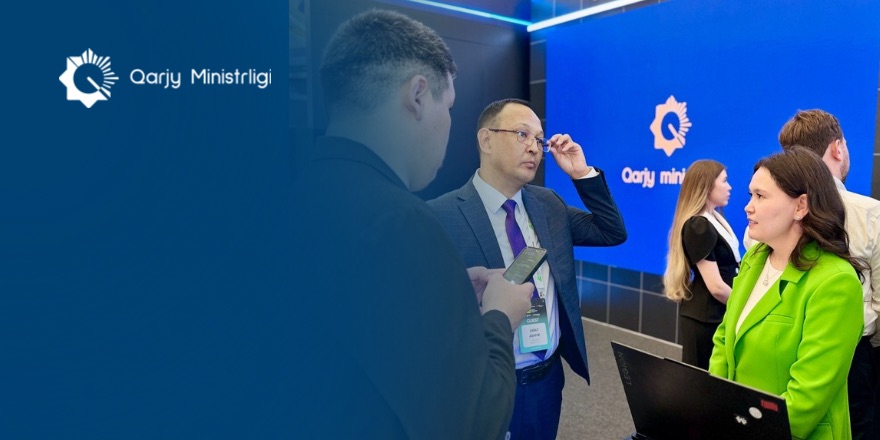
At the Digital Qazaqstan forum, taking place on March 27 in the city of Shymkent, the Ministry of Finance of the Republic of Kazakhstan, together with JSC "Center for Electronic Finance," presented the capabilities of commodity analytics implemented in the "Digital Financial Map" (DFM) module of the "e-MinFin" system.
The development is aimed at obtaining a comprehensive picture of trade turnover in the country and generating analytics available on a territorial basis. The solution allows visualizing data on retail sales on the map of Kazakhstan and analyzing them with varying levels of detail.
The system generates aggregated analytics with the ability to drill down by various categories of objects, including cash registers, trade facilities, and administrative-territorial units. Analysis for various periods is available, as well as the generation of product rankings and identification of regional demand characteristics.
Analytics in the current version is generated based on fiscal receipt data. In the future, it is planned to expand data sources through the integration of electronic invoices and accompanying goods waybills, which will further enhance the completeness and depth of analysis. At the same time, the use of NTIN identifiers – unique digital codes for goods from the National Catalog – ensures end-to-end identification and data comparability. The mandatory use of NTIN from January 1, 2026, has ensured end-to-end identification of goods and enabled the formation of a comparable and transparent trade turnover analysis system.
The DFM functionality enables comparative analysis between regions, trade facilities, and taxpayers, as well as the prompt identification of changes in demand structure and commodity flows.
"Commodity analytics based on the Digital Financial Map allows, for the first time, seeing economic activity through the lens of specific goods and territories. This is not just data, but a tool that provides the ability to understand the consumption structure more deeply, respond promptly to changes, and make more accurate management decisions," emphasized Vice Minister of Finance of the Republic of Kazakhstan Aset Turysov.
The presentation of the solution will be part of a demonstration of digital tools aimed at increasing economic transparency and developing the analytical infrastructure of public finances.