How the state treasury system of Kazakhstan will change in 2026
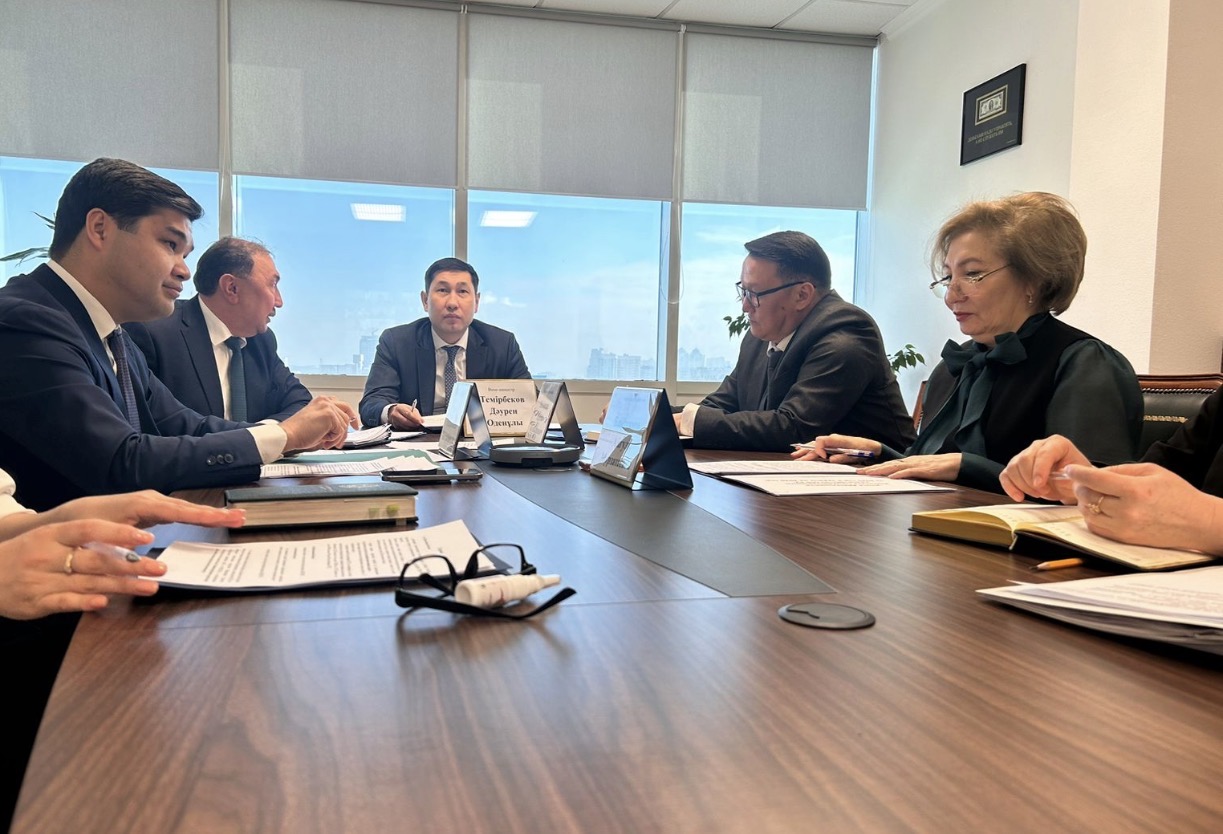
The new architecture of the Treasury System with elements of artificial intelligence will be introduced in Kazakhstan. This was reported at a meeting of the board of the State Treasury Committee of the Ministry of Finance of the Republic of Kazakhstan.
By the end of 2025, the state treasury bodies provided cash execution of the expenditure side of the republican budget in the amount of 29.6 trillion tenge, local budgets - 18.2 trillion tenge. More than 15 thousand clients are served in the state treasury bodies, over 49.1 million financial documents have been processed, 12.2 million accounts for payment and payment orders have been issued. 1,317 PPP agreements were registered for a total amount of state obligations of 2.8 trillion tenge.
An important area of work was the improvement of the service model for budget execution. The strengthening of treasury control was carried out preemptively: 48.4 thousand financial documents were returned for payments in the amount of 3.1 trillion tenge and 435.9 thousand accounts payable in the amount of 17 trillion tenge.
As part of liquidity management, for the first time, procedures were carried out to attract temporarily free budget funds from cash control accounts of local budgets to cover cash gaps of the republican budget totaling 47 billion tenge with a full and timely return of funds. Interaction with the National Bank on pilot projects using digital tenge was also actively developed: 28 transactions were carried out in the amount of 2.3 billion tenge, the implementation of the Digital VAT project continues.
In the field of information technology, the transition to the international standard of financial messages ISO 20022 was carried out, integration with state databases was ensured and a new budget structure was introduced with the category "Special income."
In 2026, the State Treasury Committee faces a large-scale task to build a new architecture of the treasury system aimed at the operational management of public funds. It is planned to introduce modern and effective solutions, including elements of artificial intelligence, which will automate processes and improve the quality of budget flow management. Particular emphasis will be placed on making payments and transfers in the form of digital tenge, introducing tools for monitoring, forecasting and managing liquidity through digital solutions, as well as on the implementation of remote treasury services for organizations of the quasi-public sector.
In addition, as part of the modernization, it is planned to introduce a risk management system and digital transformation of payment processes, including automatic payment of wages and transfers to budget revenues on the principle of a "green corridor."