Benefits, deductions, and new rules: what the new Tax Code is preparing for businesses
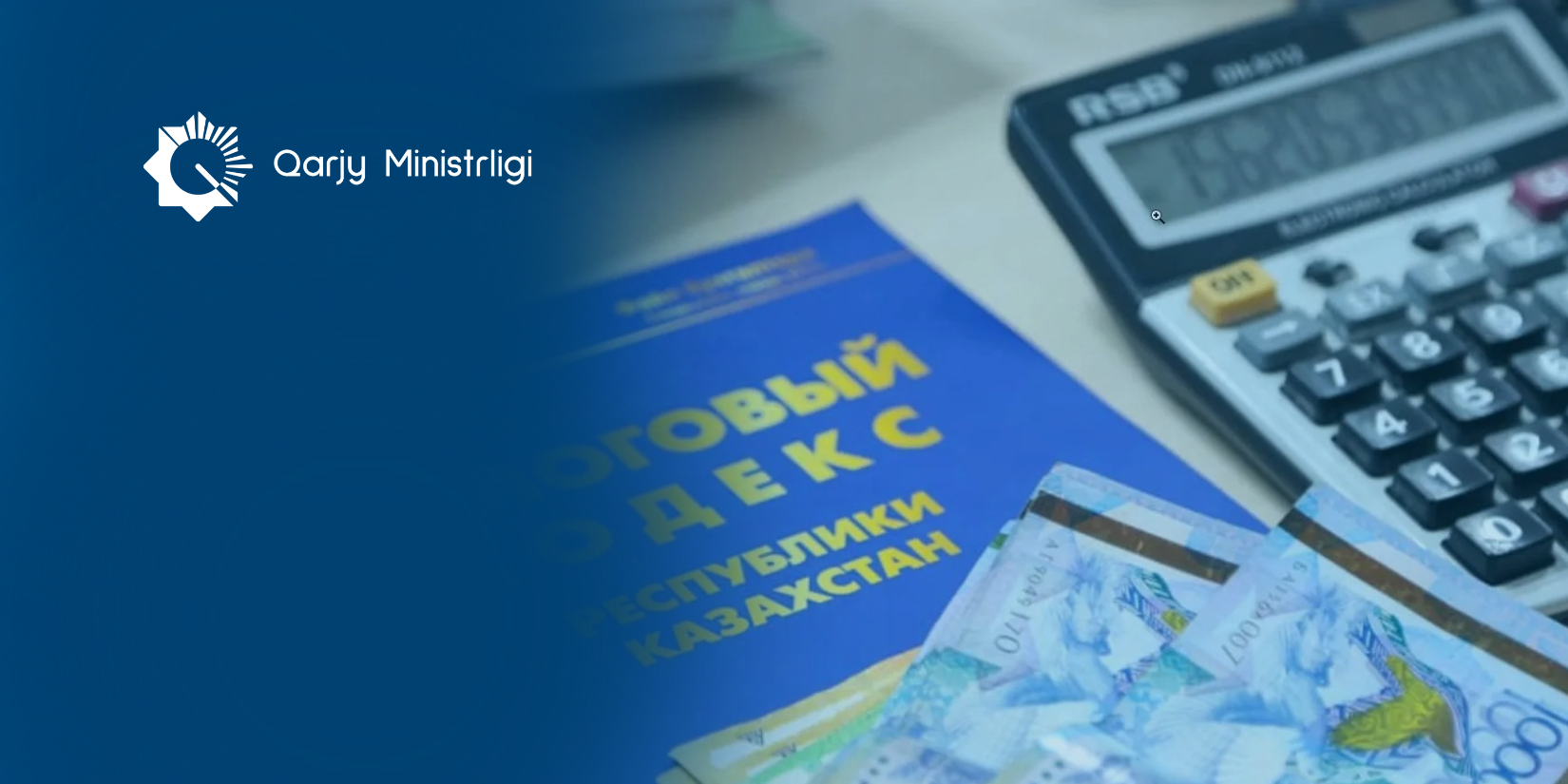
Deputy Chairman of the State Revenue Committee of the Ministry of Finance of the Republic of Kazakhstan Zhanybek Nurzhanov spoke about the tools for optimizing the tax burden provided by the new Tax Code at a field seminar in Karaganda. The Ministry of Finance, with the support of NCE Atameken, is holding a series of meetings with business representatives to clarify changes in tax legislation that will come into force in 2026.
Zhanybek Nurzhanov said that the new Tax Code provides for corporate income tax (CIT) deductions, which make it possible to reduce the tax base by accounting for actual expenses. These expenses include labor costs, depreciation of fixed assets, marketing campaigns, staff training, and other operating expenses. There are also exemptions from the CPN for organizations operating in priority sectors of the economy, including agriculture, IT, and participants in special economic zones (SEZs).
Individual income tax (IIT) benefits apply to individuals, which provide for exemption from taxation of certain types of income, such as social benefits, compensations and scholarships.
One of the main mechanisms for optimizing value added tax (VAT) is the right to offset incoming VAT paid on the purchase of goods, works and services. This allows a business to reduce the amount of tax payable to the budget if the expenses are documented and comply with legal requirements. In addition, proper and timely registration as a VAT payer helps to avoid double taxation and optimize the tax burden at all stages of the supply chain.
The meeting discussed the most important changes in the new Tax Code: from the revision of the statute of limitations to changes in the calculation of the CPI, including new mechanisms for fulfilling obligations, a risk management system, VAT adjustments, updated reporting forms and modern approaches to inspections.
"Transparency and fair payment of taxes are of fundamental importance. Only with clear and understandable rules of the game can a business plan its activities, grow and develop. When each participant in the economy fulfills its tax obligations honestly, it creates conditions for healthy competition, strengthens trust in the state and forms a stable basis for the sustainable development of the whole country," Zhanybek Nurzhanov, Deputy Chairman of the State Revenue Committee of the Ministry of Finance of the Republic of Kazakhstan, summed up.
The seminar participants actively asked questions, to which they received detailed and professional answers from the representatives of the Committee.