The UN General Assembly unanimously adopted a resolution on the rehabilitation of the Semipalatinsk region
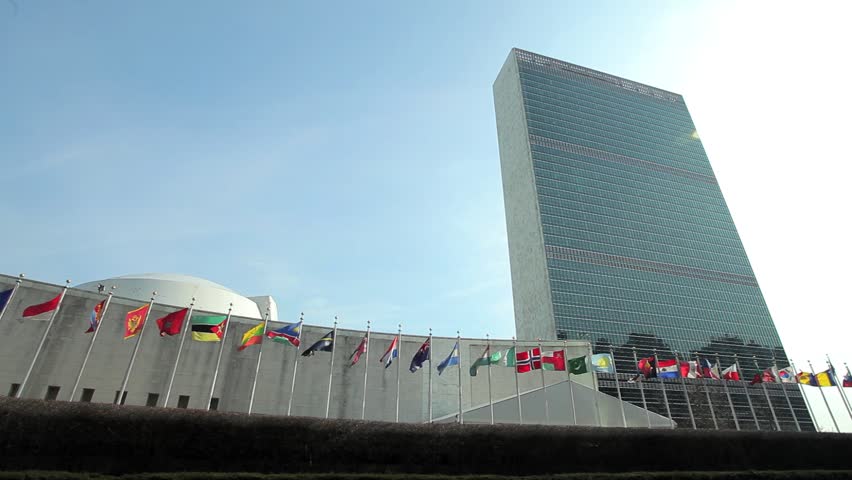
New York, December 21, 2020 – The United Nations General Assembly has unanimously adopted a resolution initiated by Kazakhstan on international cooperation and coordination of activities for the rehabilitation of the population, environmental restoration and economic development of the Semipalatinsk region.
The document calls on the international community to assist Kazakhstan in the development and implementation of special programs for the treatment of the affected population, in efforts to ensure economic growth and sustainable development in the Semipalatinsk region. The document recognizes the important role of the Government of Kazakhstan in allocating resources to help meet the needs of the Semipalatinsk region.
Record number of representatives of the international community expressed solidarity with the people of Kazakhstan – 118 UN member states became co-sponsors of the draft resolution. The Ministry of Foreign Affairs of Kazakhstan expresses its gratitude to the UN member states that co-sponsored the resolution.
This resolution was adopted by the UN for the tenth time. It was first approved in 1997 at the 52nd Session of the UN General Assembly. The adopted resolution on the Semipalatinsk region is a clear indication of the recognition by the international community of Kazakhstan's serious concern about the long-term consequences of nuclear tests on the lives and health of people, especially children and other vulnerable groups.
By Decree of the First President of Kazakhstan, Elbasy Nursultan Nazarbayev, Kazakhstan closed the Semipalatinsk test site in 1991 – the largest nuclear test site in the world, where 458 atmospheric and underground explosions were conducted from 1949 to 1989. The area affected by these nuclear tests exceeds 300,000 square kilometers, and the scale of the consequences is tragic. More than a million people are recognized as victims of the tests. Radiation weakened the immune system of residents of the affected region. Subsequently, cancer rates, the cost of treatment and duration of diseases increased. The harmful effects of nuclear testing are passed down from generation to generation.
Kazakhstan, with the assistance of the international community, including the UN and donor countries, has been fighting the negative consequences of the nuclear tragedy for almost three decades.
List of co-sponsors of the resolution: Afghanistan, Algeria, Argentina, Armenia, Australia, Austria, Azerbaijan, Bahrain, Bangladesh, Belarus, Belize, Benin, Bhutan, Bolivia, Burkina Faso, Bulgaria, Cambodia, Cameroon, Canada, Colombia, Côte d'Ivoire, Costa Rica, Dominican Republic, Georgia, Germany, Ghana, Guatemala, Guinea, Guinea-Bissau, Haiti, Honduras, Greece, India, Indonesia, Israel, Iran, Iraq, Jordan, Italy, Kenya, Kiribati, Kuwait, Qatar, United Kingdom, Venezuela, Viet Nam, Zimbabwe Kyrgyzstan, Cuba, Laos, Latvia, Lesotho, Lebanon, Libya, Malawi, Malaysia, Maldives, Mauritania, Morocco, Marshall Islands, Micronesia, Moldova, Monaco, Mongolia, Myanmar, Nauru, Nepal, Nicaragua, Nigeria, Republic of Korea, Republic of Niger, Rwanda, Romania, Oman, Pakistan, Palau, Paraguay, Peru, Poland, Sao Tome and Principe, Saudi Arabia, Senegal, Saint Vincent and the Grenadines, Singapore, Syria, United Arab Emirates, Solomon Islands, Sudan, Suriname, United States, Tajikistan, Thailand, Togo, Tonga, Tuvalu, Tunisia, Turkey, Turkmenistan, Uzbekistan, Uganda, Central African Republic, Chad, Ecuador, Equatorial Guinea, Eritrea, Ethiopia, South Africa, Jamaica, Japan.