Factsheet: Second meeting of the National Council for Public Trust
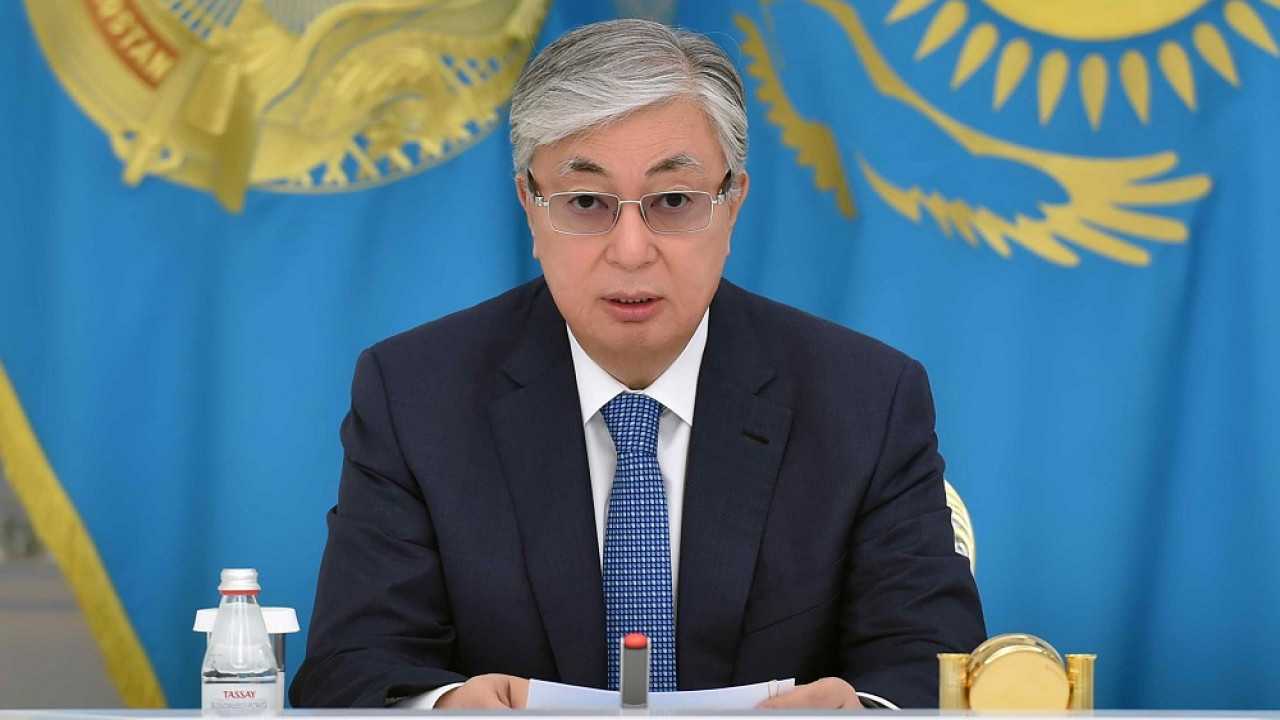
The National Council of Public Trust has held its second meeting in Nur-Sultan on 20 December 2019.
The advisory body – established following Kazakhstan’s Presidential Election in June this year – aims to strengthen the public’s engagement in President Kassym-Jomart Tokayev’s reform agenda and to better facilitate citizen input in the national political conversation.
The meeting was chaired by President Tokayev who outlined a series of domestic social, economic and political policies determined by the Council in the time since their first meeting in September.
Economic reforms
Reducing the economic involvement of state businesses in competitive markets – The government needs to make proposals by April 2020 to further reduce the list of state enterprises, especially in big cities, in order to increase the size of the private sector.
- Foreign labour – The 2020 quota for foreign labour will be reduced by 40%, to see a decline from 49,000 in 2019 to 29,000 in 2020.
- Foreign debt – The Ministries of the National Economy, Finance and the National Bank should develop by April 2020 the Unified Register of External Debt in the form of a digitised database.
- Stabilising the tenge – To increase public and investor confidence in the tenge, the National Bank will, from 1 January, announce the exchange rate of the National Fund’s currency market on a monthly basis, as well as adopting a new monetary policy strategy.
- Fighting the shadow economy – To strengthen the fight against the shadow economy, businesses will be provided tools to assess and verify the legality of their potential business partners through a database drawn from the National Chamber of Entrepreneurs. The government and the National Bank should prepare a package of legislative amendments to ensure the introduction of cashless payments for housing and vehicles.
Social reforms
Social security and support – Employment and social rehabilitation centres will open nationwide in order to provide an effective system of support for those in need. A new state allowance for large families should be established, from 42,500 to 74,000 tenge. In addition, children from low-income families will receive a guaranteed social package, including free school meals, transportation to and from school, school uniforms and school kit.
- Rehabilitation aid – Funds from the State Social Insurance Fund will be diverted to provide rehabilitation aid for those with disabilities.
- Modernising the pension system – As employers are not yet in a position to provide a mandatory 5% pension, the term of introducing mandatory pension contributions by employers will be postponed from 1 January 2020 to 2023.
- Jobs for disabled citizens – The Government will ensure that private companies adhere to a special quota on hiring people with disabilities.
Political reforms
Political rallies – A draft law on political rallies will outline the correct registration procedures of political rallies and will determine the status of the organiser(s), participants, observers and their respective rights and obligations.
- Political party registration – The minimum membership threshold needed to register a political party will be reduced from 40,000 to 20,000 members.
- Involvement of women and youth – Women and young candidates must make up 30% of party election lists.
- Parliamentary opposition – A law will be passed to allow representatives from other parties to hold Chair positions on some Parliamentary committees, in order to foster alternative views and opinions.
- Criminal justice – The Ministry of Foreign Affairs is tasked to begin the process of acceding to the Second Optional Protocol to the International Covenant on Civil and Political Rights, which deals with abolishing the death penalty.
- Libel Law – Article 130 of the Criminal Code on defamation will be decriminalised and transferred to the Administrative Code.
Domestic reforms
- Use of land – The Ministry of Agriculture is implementing a pilot project to monitor unused land through remote earth sensing, and to increase the base tax rate for those who own but do not use their land from 10 to 20 times.
Transition to Latin alphabet – The transition of the Kazakh language from a Cyrillic to a Latin alphabet will necessitate a modernising of the language system and require a scientific approach.