Kazakhstan’s contribution to victory in World War II discussed in UK
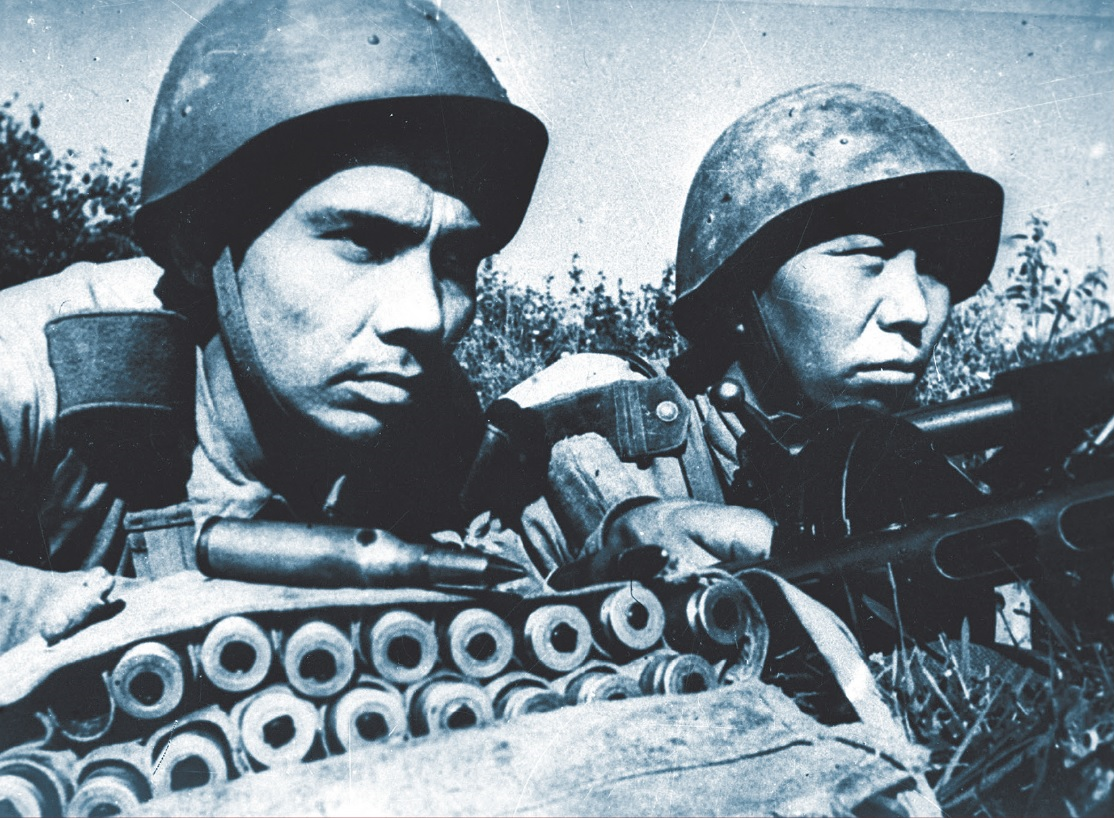
LONDON, 2 September 2020 – A Webinar themed ‘Kazakhstan in World War II: An Understudied Chapter in World History’ was hosted as part of the 75th commemoration of the end of the Second World War. The event was co-hosted by the Embassy of Kazakhstan in London and the National Army Museum in London.
The webinar took place in a hybrid format: Kazakhstan’s Ambassador to the UK Erlan Idrissov and the Director of the National Army Museum Justin Maciejewski DSO MBE joined the event at the Museum building, while the American historian Dr Roberto Carmack and Dr Raffaello Pantucci, Senior Associate Fellow at the Royal United Services Institute (RUSI), participated online.
In his opening speech, Mr. Maciejewski stressed the tremendous contribution of the Kazakh people to the victory in the Second World War.
“Many people won’t know this, but Kazakhstan lost more people in the Second World War than the United Kingdom, one of the main Allies in the war. The mobilisation of Kazakhstan both in terms of industry, the home front, agriculture, and to soldiers on the front line was absolutely extraordinary. And if I compare that mobilisation and its penetration into Kazakh society with, for example, the mobilisation of the British Empire in India, the scale of effort of Kazakhstan is greater than any of the mobilisations that took place across the British Empire,” he said.
Speaking about the contribution of the Kazakh people to the victory in the Second World War, Ambassador Idrissov described the sacrifices made by Kazakh people during the war and post-war years.
“One and a half million people from Kazakhstan were sent to the front line – one in four Kazakhs was involved in defence and front-line operations and about half of them never returned home. There is not a single family in Kazakhstan which was not touched by the tragedy of the Second World War,” he emphasised.
Independent historian and author of the recently published book, ‘Kazakhstan in World War II: Mobilization and Ethnicity in the Soviet Empire’, Dr Carmack focused on how understudied the contribution of Kazakhstan and other Soviet republics to the victory over fascism by world historians is.
He noted that for the people of Kazakhstan, the human misery, deprivation and suffering caused by the war came immediately after the famine of 1932-1933, Stalinist purge and the consequences of forced collectivisation, which resulted in the death of up to two million Kazakhs and disrupted the centuries-long tradition of nomadic lifestyle.
Nevertheless, Dr Carmack highlighted that the war united the Kazakh people driven by a sense of historic community, patriotism, and self-sacrifice in the name of ancestral lands.
Kazakh soldiers took part in landmark battles at Stalingrad, Moscow, Kursk, and made an invaluable contribution to the liberation of Europe and the Battle of Berlin.
Not only did Kazakhstan send its sons and daughters to fight on the front lines during World War II, but also supplied food and ammunition to support the common effort to counter the Nazi army.
The participants of the webinar agreed that the lessons of this tragedy, as well as the heroes of the most horrific and bloody war in the history of mankind should not be forgotten.
The event also presented a documentary about Kazakhstan’s contribution to the victory in World War II prepared by the Embassy of Kazakhstan in the UK and the Qazaqstan TV channel. The film is available at this link.
The event concluded with an informative Q&A session where the audience received more detailed answers to their questions about the participation of Kazakh people in the Second World War and modern assessments of the contribution of our ancestors to the great victory.
The overall audience of the event exceeded 300 people, including those from Kazakhstan, the UK, the USA, Singapore, Germany, France, and Japan.