Museum Honoring Soviet and Kazakhstani Soldiers Opens in the Netherlands: Uniting Nations through History
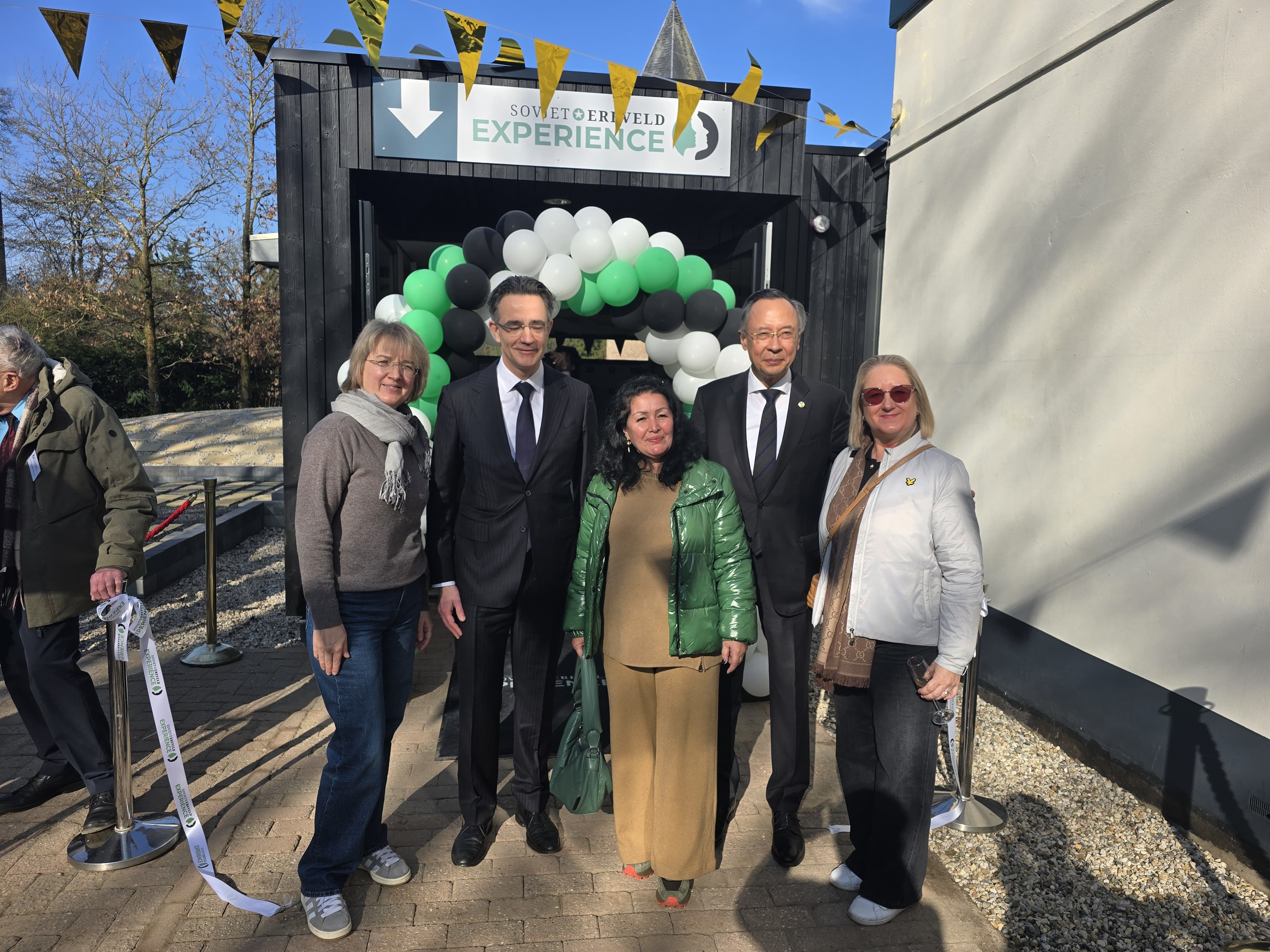
On March 8, the ceremonial opening of the Sovjet Ereveld Experience museum took place in Leusden, Netherlands, dedicated to Soviet soldiers who died during the Second World War and are buried at the "Soviet Field of Glory" memorial complex.
Alongside Kazakhstani diplomats, the event was attended by distinguished guests including Secretary General of the Ministry of Foreign Affairs of the Netherlands Christiaan Rebergen, mayors and council members from the cities of Amersfoort and Leusden, as well as representatives of civil society and the diplomatic corps.
Remco Reiding, the museum’s director and visionary, and founder of the "Soviet Field of Glory" Foundation, noted that the museum's main mission is to communicate the tragedy and heroism of soldiers through modern technology and vivid emotional narratives.
The "Soviet Field of Glory" is the resting place for 865 Soviet soldiers and officers whose names were long unknown. A significant aspect of the museum is its virtual reality exhibition, which allows visitors not only to immerse themselves in historical events but also deeply experience the personal stories of fallen soldiers.
Kazakhstan’s Ambassador to the Netherlands, Kairat Abdrakhmanov, expressed gratitude to the museum organizers for inviting two families of fallen Kazakhstani soldiers to the ceremony, whose names and burial locations were discovered thanks to the relentless efforts of local researchers and volunteers. A representative from Kazakhstan was given the honor of cutting the ribbon during the museum’s opening ceremony.
The touching flower-laying ceremony highlighted the importance of preserving personal stories and passing down memories to future generations. Kazakhstani guests emphasized that such initiatives bring people closer together and foster mutual understanding. They also provided the museum with photographs and memorabilia from their family archives.
As the museum’s opening coincided with International Women's Day, the Sovjet Ereveld Foundation presented flowers to all women attending the ceremony, providing a symbolic conclusion to the event. The opening gained special significance as part of the 80th-anniversary commemorations of the end of the Second World War. It marks a significant step in preserving historical memory, allowing today's generation to more deeply comprehend wartime events to prevent similar tragedies in the future.