Kazakhstan took part in the 2nd UN Food Systems Summit Stocktake
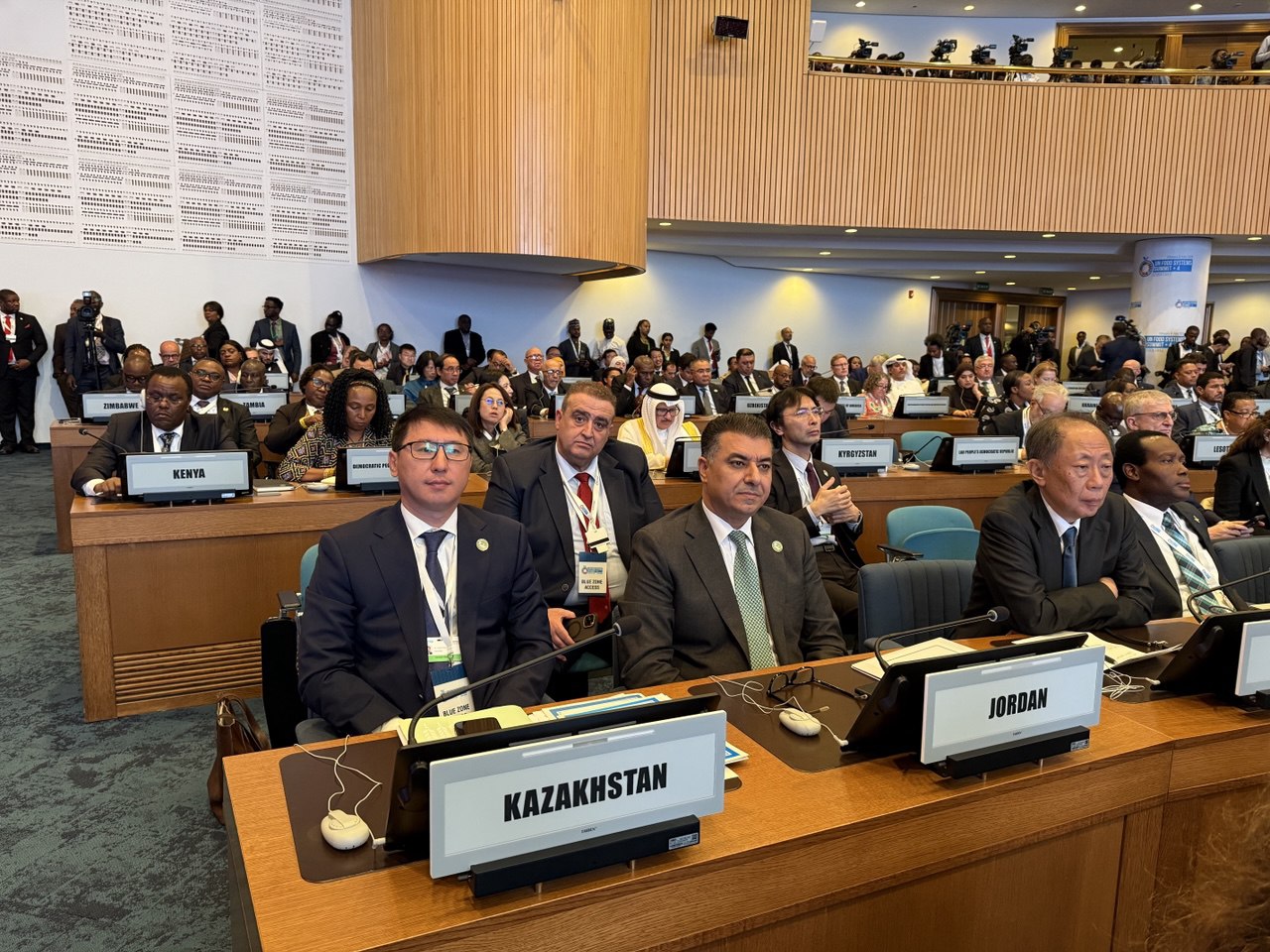
Addis Ababa, July 27-29, 2025 – The Kazakhstany delegation, led by Yerbol Taszhurekov, Vice-Minister of Agriculture of the Republic of Kazakhstan, participated in the 2nd UN Food Systems Summit Stocktake (UNFSS+4).
The forum was attended by over 100 representatives from UN member states, heads of government, international organizations, scientists, delegates from civil society, and the private sector.
The official opening of the event was conducted by Ethiopian Prime Minister Abiy Ahmed and Italian Prime Minister Giorgia Meloni. UN Secretary-General António Guterres delivered a video address to the participants.
Over the two days of the summit, high-level meetings, ministerial roundtables, investment dialogues, forums on international cooperation, and national presentations took place. On the first day, designated as Action Day, off-site events, parallel sessions, and informal meetings were held.
Key panel discussions focused on food security, financing and investments, and inter-state cooperation in achieving the Sustainable Development Goals (SDGs) by 2030.
On the margins of the summit, Y.Taszhurekov held a bilateral meeting with Ethiopian Minister of Agriculture G. Amente. The parties agreed to strengthen cooperation in agriculture. Kazakhstan, as one of the leading grain exporters, expressed its readiness to share its experience and technologies with Ethiopia. In turn, G.Amente showed interest in Kazakhstan's experience for developing its agricultural sector, especially in commercialization, as Ethiopia is the birthplace of "arabica" coffee and seeks to expand its export.
Additionally, during Y.Taszhurekov's meeting with Serbian Minister of Agriculture, Water Management and Forestry D.Glamocic, preparations for the Serbian delegation's visit to Kazakhstan for the Intergovernmental Commission meeting in Astana on August 7-8 were discussed. An agreement was reached to exchange initiatives to ensure a high level of negotiations.
Following the summit's concluding session, documents outlining priority directions for transforming food systems at global and national levels were adopted.