A meeting of the Council for Youth Affairs of the CIS member States was held
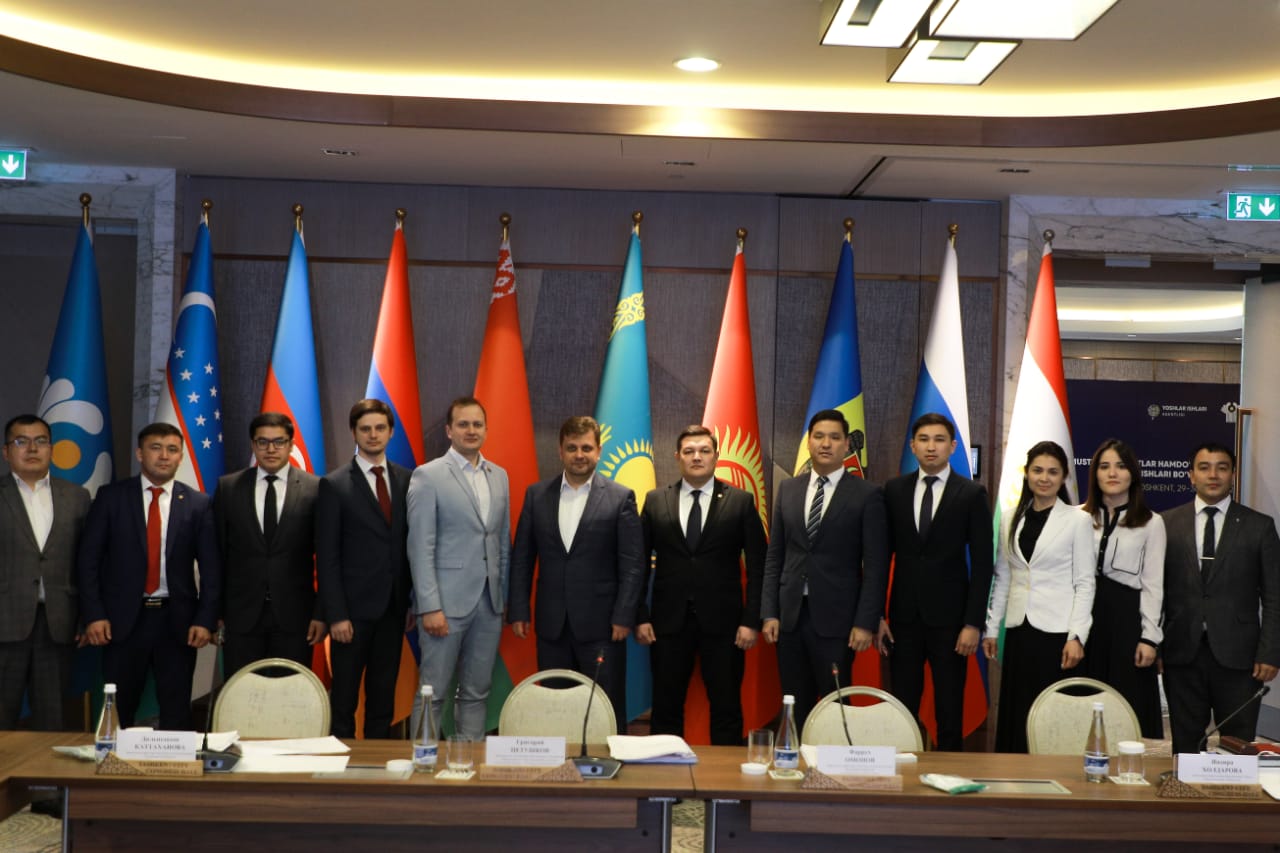
On April 29-30, 2021, a regular meeting of the Council for Youth Affairs of the CIS member states was held in Tashkent (Uzbekistan). The event was held within the framework of the implementation of the Agreement of the CIS member states on Cooperation in the field of work with young people of 2005.
The head of the delegation of Kazakhstan, Vice-Minister of Information and Public Development Askhat Oralov, in his speech, voiced proposals for the implementation of new joint projects for 2021 as part of the Plan of Main Activities for the implementation of the Concept of Further Development of the CIS. These measures are aimed at expanding and strengthening international and interregional cooperation in the field of youth policy.
In addition, the Vice Minister drew the attention of the meeting participants to the development of effective forms of interaction between youth public associations and organizations of the CIS member states during the pandemic.
It should be noted that Kazakhstan successfully provides comprehensive assistance in the implementation of the Plan of Events dedicated to the 30th anniversary of the Commonwealth of Independent States.
During the meeting of the Council, the issues of interaction of the CIS member states on the implementation of the Sustainable Development Goals (SDGs) were discussed) The United Nations and the Interstate Program "Youth Capital of the CIS", as well as the exchange of experience on the organization of activities in the youth sphere in the context of the pandemic.
Following the meeting, the parties discussed the events dedicated to the 15th anniversary of the Council's activities and agreed to continue the implementation of projects. Representatives of the Council member countries called on youth organizations to strengthen cooperation in order to implement UN SDG programs.
For reference:
The Council for Youth Affairs of the CIS member States was established to implement the Agreement of the CIS member States on Cooperation in the field of work with young people.
The Council consists of 9 countries: Kazakhstan, Azerbaijan, Belarus, Kyrgyzstan, Tajikistan, Uzbekistan, Russia, Moldova and Armenia.