Zhaslan Madiyev Chairs Meeting on Improving the Driving Licence Examination Process
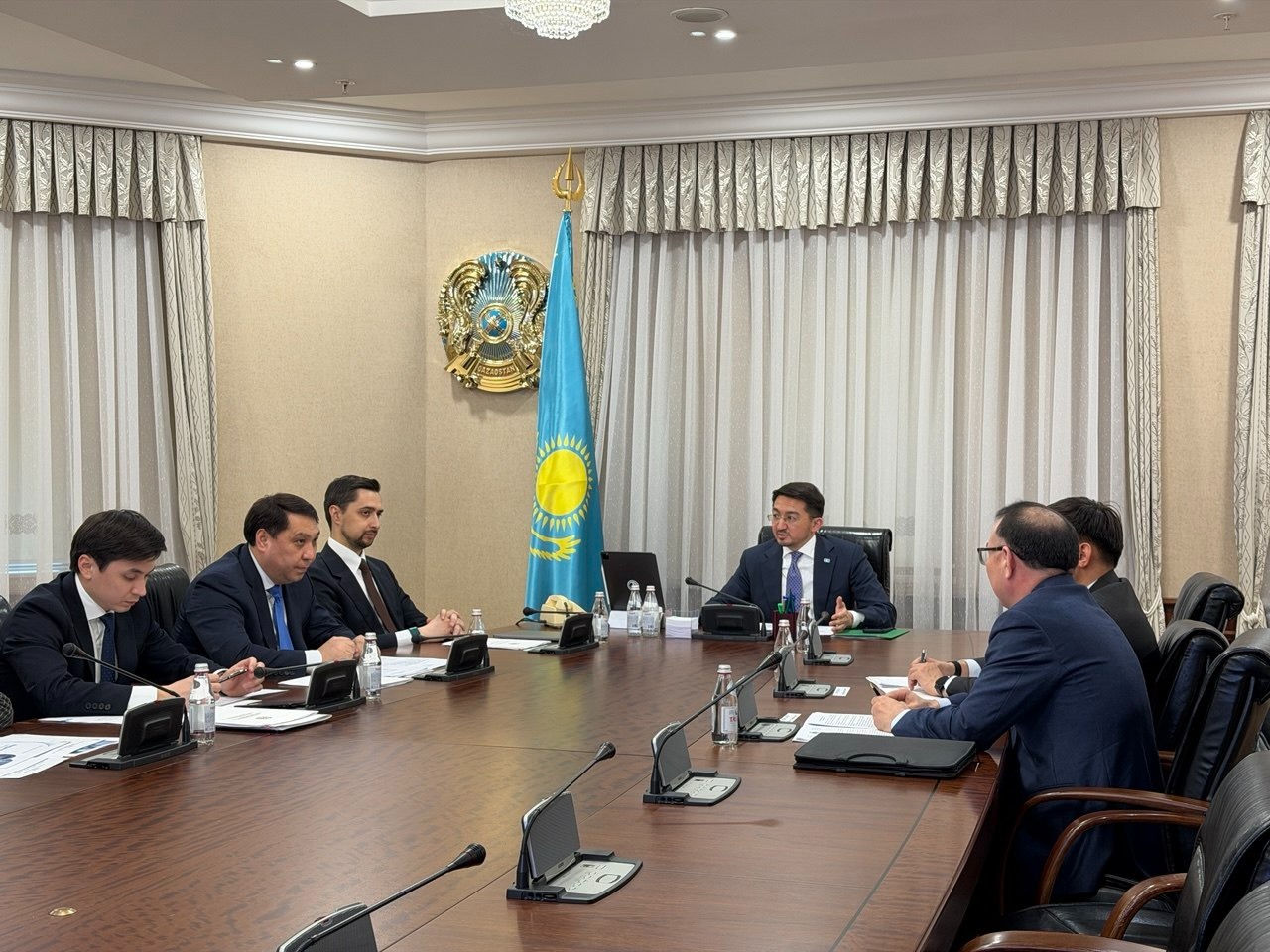
A meeting on improving the procedure for passing driving licence examinations was held under the chairmanship of Deputy Prime Minister and Minister of AI and Digital Development of the Republic of Kazakhstan Zhaslan Madiyev.
During the meeting, held jointly with the Ministry of Internal Affairs of the Republic of Kazakhstan, a number of specific measures were reviewed and approved, aimed at increasing the objectivity and transparency of the driving licence process, improving convenience for citizens, eliminating corruption risks, and raising the quality of driver training.
Firstly, under the new provisions, citizens will be able to sit the driving licence examination an unlimited number of times on a paid basis, observing a minimum interval of 10 calendar days between attempts.
It should be noted that at present citizens are given 3 free attempts: two with a 1-day interval and a third after 30 days. Once those attempts are exhausted, re-enrolment in a training course is required, which in certain cases created conditions that pushed citizens towards illegal means of obtaining a driving licence. The new rule will make the procedure more accessible, eliminate unnecessary restrictions, and reduce the risk of corrupt practices.
The second measure involves piloting academic integrity technologies at the Astana branch of the National Testing Centre of the Ministry of Science and Higher Education of the Republic of Kazakhstan, with a view to subsequently applying those technologies across the entire theoretical driving examination system. Alongside the technology pilot, the National Testing Centre will conduct comprehensive psychometric studies of the theoretical examination tests to confirm their suitability for accurately assessing the knowledge, skills, and abilities required for the safe operation of a vehicle.
The third and fourth measures involve the active use of AI technologies: augmented reality (AR) for theoretical examination administration, and computer vision for the automated monitoring of the practical examination process. These measures will minimise the possibility of using prohibited technical devices and enable violations to be recorded.
The fifth measure provides for the maximum strengthening of the information security of digital solutions related to the obtaining of a driving licence, including by adding them to the list of critically important informatisation objects, which will increase liability for violations and unauthorised interference up to and including criminal responsibility.
The sixth important measure is the introduction of administrative liability provisions, applicable both to applicants and to individuals who facilitate the illegal obtaining of driving licences. Such measures will be applied upon detection of violations during examinations, including the use of prohibited devices, micro earpieces, micro cameras, and transmitting and receiving communication devices. The possibility of disqualification from sitting theoretical examinations for a period of one year is also provided for.
The seventh measure provides for the tightening of requirements on driving schools. When evaluating their performance, the quality of driver training and citizen feedback will be taken into account. The introduction of licensing for their activities is also planned. In cases of poor driver training quality, the full revocation of a licence will be envisaged.
The implementation of these initiatives is aimed at removing artificial barriers in the driving licence process, improving the transparency and convenience of the procedure for citizens, and minimising conditions conducive to corrupt practices.