Ministry of AI and Digital Development and Ministry of Health Discuss AI Healthcare Solutions with Philips
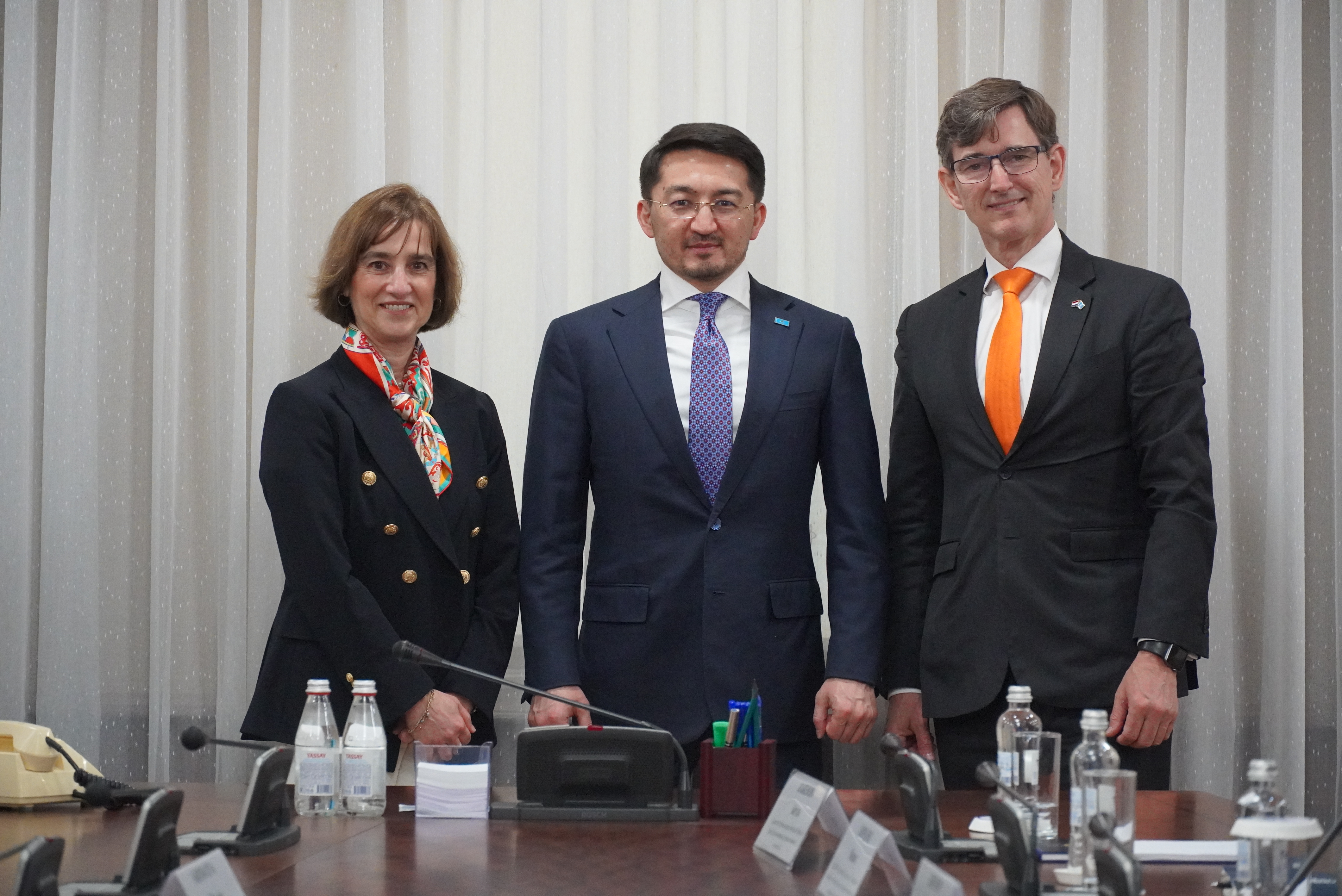
A meeting was held between the leadership of the Ministry of Artificial Intelligence and Digital Development and the Ministry of Healthcare of Kazakhstan and a delegation from Royal Philips.
During the talks, the parties discussed the current status and prospects for implementing the project to create a national medical imaging archive (VNA), as well as opportunities to expand cooperation in the field of artificial intelligence in healthcare.
The VNA (Vendor-Neutral Archive) project is aimed at consolidating medical imaging data — CT, MRI, and ultrasound — from all medical organisations in the country into a unified system. This will not only ensure reliable data storage but will also create a powerful foundation for training domestic AI startups, improving the accuracy of diagnostics.
Philips confirmed its readiness to provide its technologies and to explore various financing models, including participation through Philips Capital and the attraction of international funds.
Deputy Prime Minister and Minister of Artificial Intelligence and Digital Development Zhaslan Madiyev noted: "The creation of a national medical data archive is not merely a question of data storage — it is the foundation for a qualitative leap forward in digital medicine. The accumulated body of structured data will serve as the baseline resource for the development of domestic AI solutions that will help doctors make diagnoses faster and more accurately. We welcome the commitment of global leaders like Philips not only to supply technologies but also to integrate into our ecosystem, supporting local startups and participating in the work of our new International AI Centre."
During the meeting, the possibility of Philips opening a laboratory or R&D centre at the International AI Centre in Astana was also discussed. The platform will serve as a unique hub bringing together educational programmes, startup acceleration, and laboratories of the world's largest technology companies.
The parties agreed to continue developing the project and to proceed to the formalisation of their agreements in the near future. The implementation of these initiatives will mark an important step towards fulfilling the Head of State's instruction on the systematic digitalisation of the social sector.