Open dialogue of the Chairman of the ISAAC in the field of audit with residents of Almaty
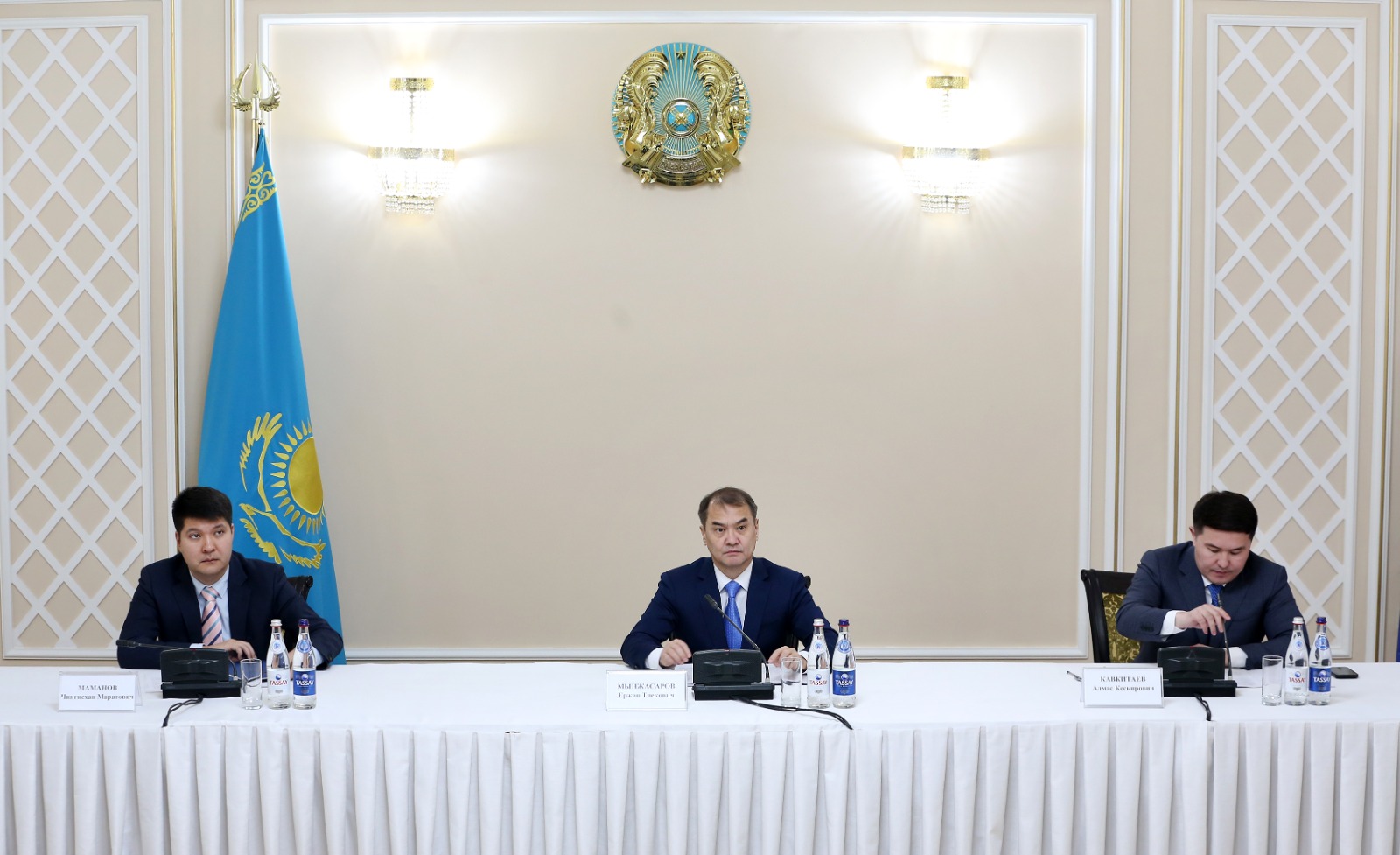
As part of the implementation of the Hearing State concept, Chairman of the Internal State Audit Committee of the Ministry of Finance of the Republic of Kazakhstan Yerzhan Mynzhasarov met with residents of Almaty. This event became a platform for discussing issues of ensuring transparency and efficiency of spending budget funds.
At the meeting, Yerzhan Tlekovich presented the results of the Committee's activities for 2024, focusing on measures to control public procurement and maintain accounting and financial reporting.
According to the results of audit activities for 2024, financial violations of 340.9 billion tenge and 5,594 procedural violations were revealed. Audit objects made 1654 prescriptions and 1802 recommendations. The measures taken eliminated violations by 284.1 billion tenge.
In addition, more than 540 thousand public procurement procedures in the amount of 16.7 trillion tenge were covered by desk control, where violations in more than 67 thousand procedures totaling 1.2 trillion tenge were prevented.
He stressed the importance of monitoring the use of budget funds as the main tool to increase citizens' confidence in public finances.
Residents of Almaty actively participated in the discussion, asking questions about the latest changes in the public procurement system, the impact of audits on the implementation of state programs, and also asked to talk about the introduction of digital technologies in the work of state auditors.
The Chairman of the Committee noted that the transition from post-audit to preventive audit at all stages of the budget process will be an important step towards strengthening control over the effectiveness of the use of budget expenditures.
At the end of the meeting, Yerzhan Mynzhasarov expressed gratitude to the participants for their active participation and emphasized their readiness for further open dialogue with the population. This dialogue has become an important tool for forming feedback and improving the quality of public administration, which is consistent with the principles of the Hearing State concept.