The art of "orteke" and stories about Kozhasyr were included in the UNESCO list
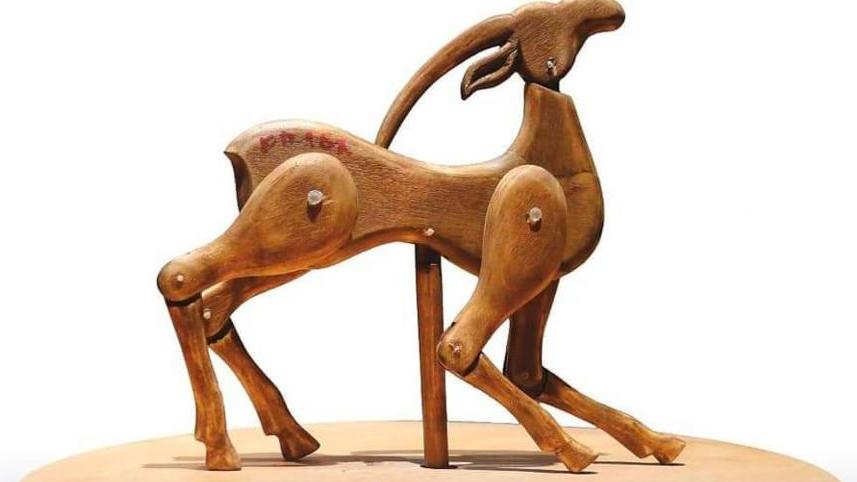
The Kazakh traditional performing art "orteke" and humorous stories about Kozhasyr were included in the Representative List of the intangible cultural Heritage of humanity by UNESCO. This decision was made at the 17th session of the intergovernmental Committee of UNESCO, held in Morocco.
The intangible cultural heritage includes customs, rituals, holidays and other forms of expression that are passed down from generation to generation, are constantly recreated, and form a sense of identity and continuity in communities.
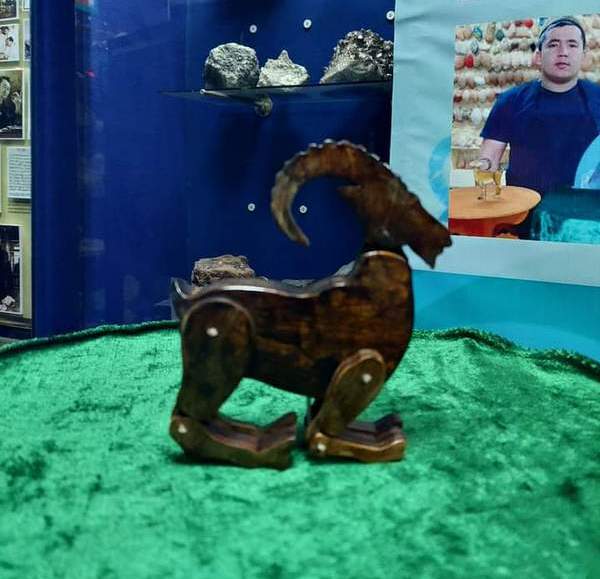
Orteke is a Kazakh performing art that uses a traditional two—stringed dombra instrument and a wooden figure of a mountain goat. The figure attached to the surface of the drum is connected to the musician's fingers by one or more strings. When a musician plays the dombra, the doll comes to life, jumping to the beat of the music and beating the rhythm on the drum. Orteke, which is enjoyed by both children and adults, is an important part of the folk heritage and identity of the region.
The tradition of retelling anecdotes about Nasreddin exists in several countries of Eurasia, associated with the telling of anecdotes attributed to the philosopher and sage Nasreddin. Jokes that differ in wisdom and wit often violate generally accepted norms, and their narrator finds unexpected ways out of difficult situations thanks to the power of words. Instructive and entertaining anecdotes are transmitted both orally and in writing.
The representative list of the Intangible Cultural Heritage of mankind currently includes 569 elements. The purpose of the list is to provide wider coverage of the cultural practices and know-how of communities.