As part of the state order , 3.5 million pieces of juvenile sturgeon species were released into the Zhaiyk River
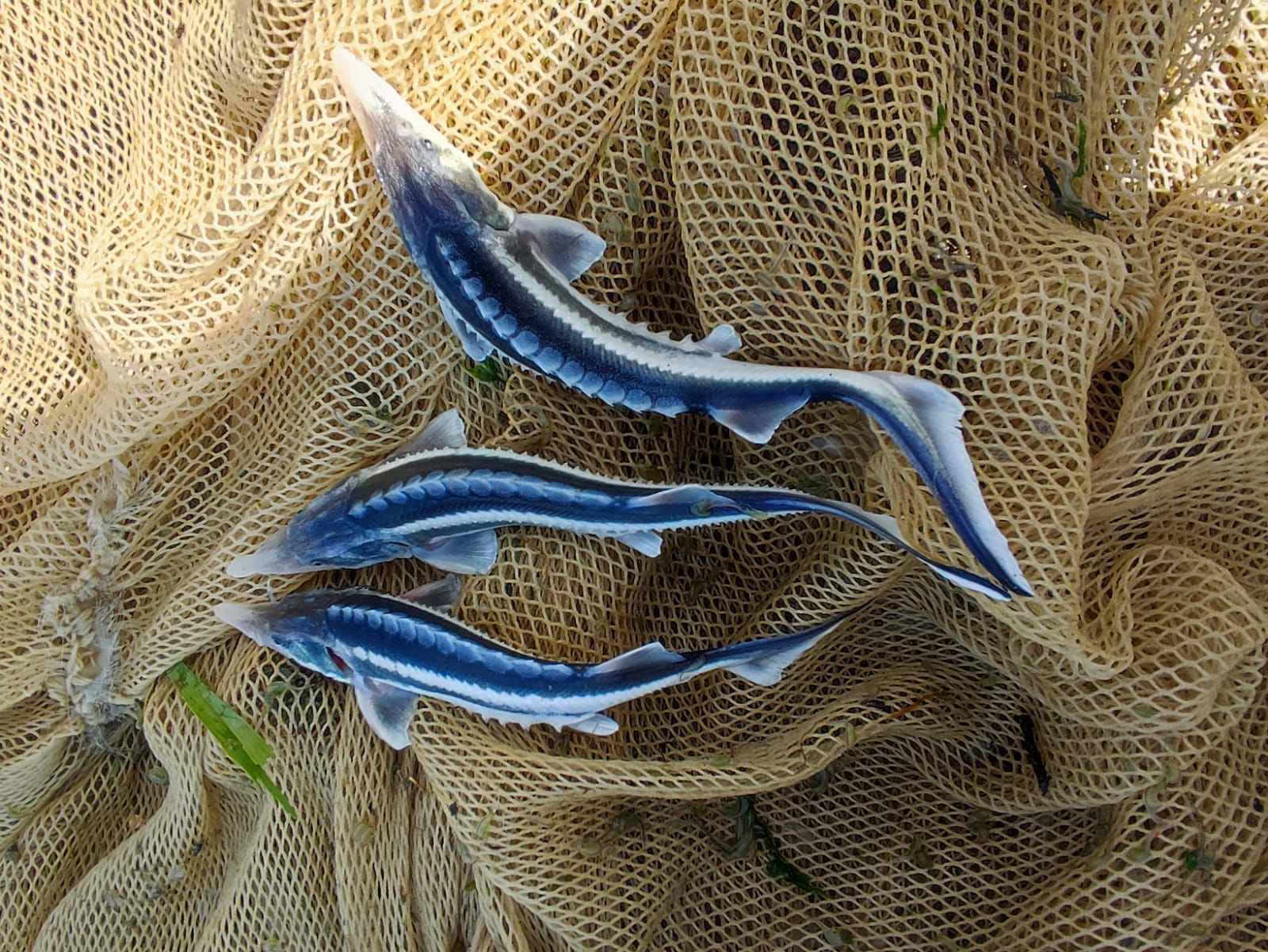
On June 29, 2022, the state enterprise Ural-Atyrau Sturgeon Hatchery (hereinafter referred to as the plant) released 3.5 million pieces of juvenile sturgeon fish species into the Zhaiyk River.
This work is carried out annually in order to preserve and restore stocks of sturgeon fish species within the framework of the state order for the reproduction of fish resources.
The release was carried out on a commission basis with the participation of employees of the Zhaiyk-Caspian Interregional Basin Fisheries Inspection, representatives of the local executive body, public and scientific organizations in the presence of the media.
It should be noted that the released juveniles of sturgeon species of fish (beluga, sevryuga, Russian sturgeon, sterlet) are grown artificially at the plant.
Annually, the plant catches producers of sturgeon species of fish (male and female) in the tonev areas of the Zhaiyk River from which sexual products (caviar and milk) are obtained in vivo for further incubation.
For example, from a female beluga caviar caught on April 19 of this year weighing 190 kilograms, which, after receiving caviar, was released into the natural habitat, offspring were obtained in the amount of 729 thousand pieces of juveniles, with an average weight of 15 grams, which were released into the river today. At the same time, the juvenile sterlet was released – 629 thousand pieces, Russian sturgeon – 419 thousand pieces and sevryuga - 1,723 million pieces.
In general, in 2022, within the framework of the state order, 93.1 million pieces of juveniles of valuable fish species are planned to be released into the natural habitat, including 7.5 million pieces of juvenile sturgeon.
To date, 69.4 million pieces of juvenile fish have been grown and released into the natural habitat by state enterprises and private fish farms.
At the same time, work on artificial reproduction of fish resources continues and is scheduled to be completed in October this year.