The information published on social networks that allegedly investment subsidies for the creation of fishing facilities are canceled is not true
The information published on social networks that allegedly investment subsidies for the creation of fishing facilities are canceled is not true.
At the end of 2021, the competence to approve the Rules for subsidizing the reimbursement of part of the expenses incurred by the subjects of fisheries for investment investments was transferred from the Ministry of Agriculture to the Ministry of Ecology.
Therefore, the Ministry of Ecology has developed new Subsidy Rules, which, after the approval of the Republican Budget Commission and coordination with interested government agencies, were approved in June 2022 (Order of the Minister of Ecology, Geology and Natural Resources of the Republic of Kazakhstan dated June 14, 2022 No. 219).
According to the new Rules, the possibilities of fisheries entities to receive state support measures for investment investments, on the contrary, have been expanded.
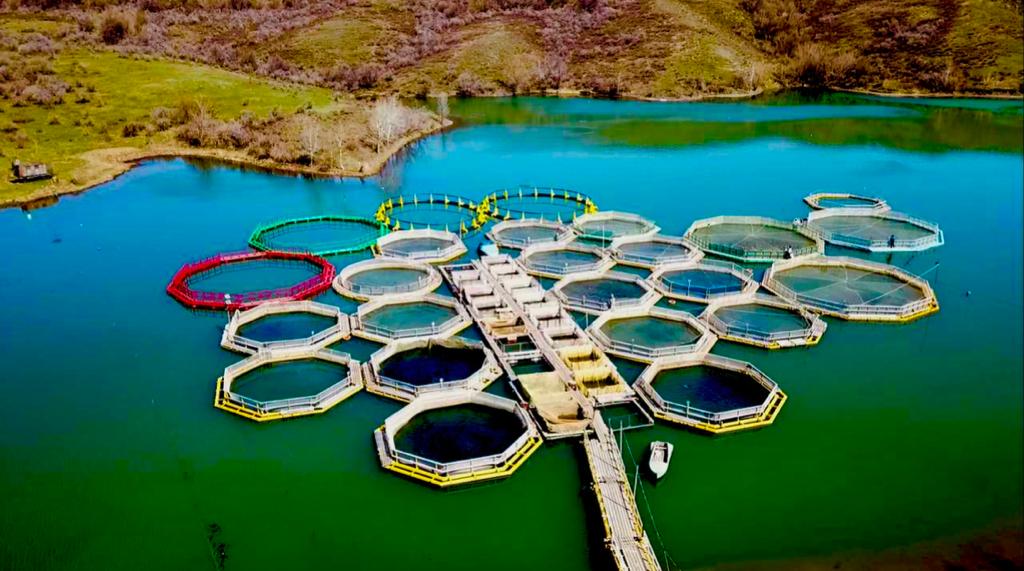
So, if previously business entities had only the opportunity to receive subsidies for the reimbursement of investment costs for the purchase of equipment and equipment for OTR, as well as the creation or expansion of a fish-breeding facility with the use of ultrasonic or a cage line, then under the new Rules, investment costs for the creation or expansion of a pond farm, fish hatcheries, a plant (workshop) for production of fish feed and fish processing facility.
At the same time, competence has also been transferred to the Ministry of Ecology to approve the rules for subsidizing the increase in productivity and quality of aquaculture (fish farming) products, as well as the development of breeding fish farming.
The relevant Rules were approved by Order No. 180 of the Minister of Ecology, Geology and Natural Resources of the Republic of Kazakhstan dated May 24, 2022.
It should be noted that today the government Program for the development of fisheries until 2030 is being implemented, according to which the authorized body, together with local executive bodies, will take further measures to create favorable conditions for business by improving legislation and state support mechanisms, eliminating administrative barriers, as well as solving problematic issues of the industry.