High–quality audit is a credible foundation for development: the results of the work of the SAC of Kazakhstan in 2024 in figures and fac
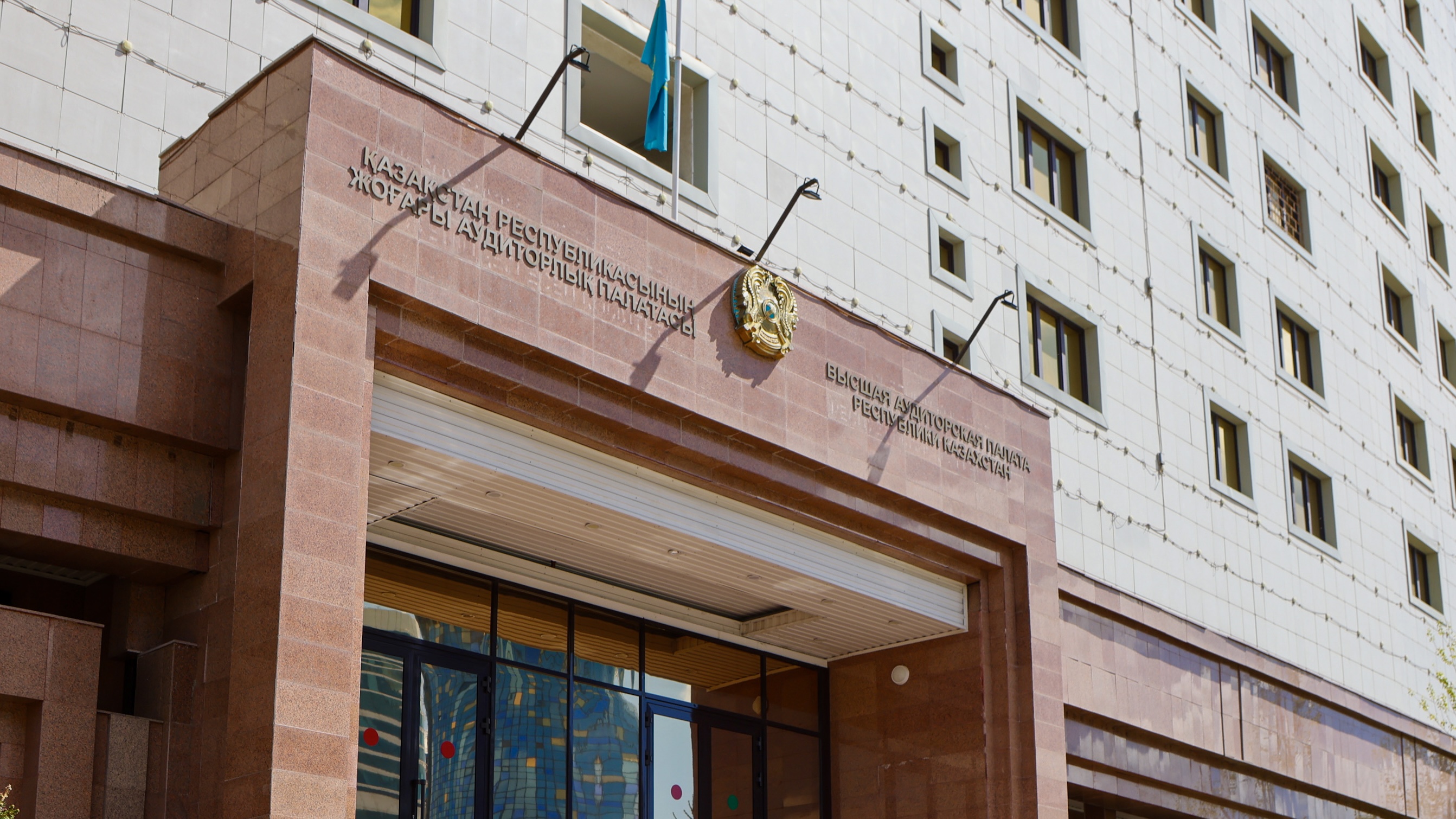
Any audit is always a serious event for the audit entities. The materials of such reviews, especially in the case of a state audit, often become the basis for widespread media coverage, as they affect key sectors of the economy.
This year, the Supreme Audit Chamber of Kazakhstan conducted a number of important audits in the fields of education, healthcare, industry, construction, transport and agriculture, which aroused great public interest. For the first time, audits of local budgets were also held, namely in Abai, Ulytau, Zhetisu and Almaty regions.
All these audit activities not only revealed systemic management deficiencies, but also helped to identify pinpoint problems in the use of budgetary funds and assets.
Significant changes have also taken place in the work of the Supreme Audit Chamber itself: some procedural standards have been changed, the rules for certification of state auditors have been updated, the activities of the SAC have become more public and open, integration with key systems of the Ministry of Finance of the Republic of Kazakhstan has been strengthened, etc. On behalf of the Head of State Kassym-Jomart Tokayev, a gradual transformation of the entire state audit system has begun.
This review summarizes the results of the outgoing year and outlines the main developments in the audit field that will develop in 2025 and beyond.
Trillions, billions, millions
In 2024, the Supreme Audit Chamber conducted 25 audit activities. They covered 207 auditees and over 10.6 trillion tenge. This included audits at the Social Health Insurance Fund, Nazarbayev Intellectual Schools (NIS), the Development Bank of Kazakhstan, the national company Kazakhstan Temir Zholy and all the others.
After a thorough analysis of documents and reports, immersion in work processes and practical review of specific cases, state auditors revealed violations of almost 862 billion tenge. Among them: financial violations – 154 billion tenge, inefficient use of state funds and assets – 475 billion tenge, inefficient planning – almost 233 billion tenge.
At the same time, everything that was within the competence of the SAC was done: more than 135 billion tenge was reimbursed to the state budget. This is 87.8% of the total amount of funds that are generally recoverable.
The Government of the Republic of Kazakhstan and government agencies also received 120 recommendations and 676 instructions. As of today, 141 items have already been executed, the rest remain under the control of the Supreme Audit Chamber with regular notification to the Head of State.
According to the audit materials, 82 individuals and 60 legal entities were brought to administrative responsibility in the past year (as of 26 December). Mainly for violations in the field of public procurement, accounting, architectural and construction activities. And auditors have drawn up 51 more administrative protocols against officials of government agencies and the quasi-public sector. The SAC has sent 16 audit materials to law enforcement agencies. Detailed proceedings in many of these cases have yet to be conducted. 190 people were also disciplined.
Real-life cases
The audits conducted show the presence of systemic deficiencies and irregularities in the management of budget funds and assets.
For example, during an audit of the supply of medicines to the Kazakhstanis, it turned out that poor-quality procurement planning in the SK-Pharmacy LLP system led to overstocking of some drugs. Subsequently, some of them in the amount of over 279 million tenge had to be written off due to expiration date.
Having plunged into the system of compulsory medical insurance, the auditors discovered the facts of double payment for the same services at the expense of the Social Health Insurance Fund and the citizens themselves, although this is strictly prohibited. As a result, there were 1.7 billion tenge worth of such cases in inpatient care, and 27.6 billion tenge in outpatient care.
When checking the pricing in construction, the SAC also revealed systemic problems that were clearly manifested in specific infrastructure projects. For example, during the construction of the bridge crossing over the Bukhtarma reservoir in East Kazakhstan region, the price increased by more than 31.2 billion tenge, or 104%. The cost of the Hematology Center in Ust-Kamenogorsk increased from 32 to 72 billion tenge – by 125%. And there are enough such examples.
The slow pace of work on heating, water supply and sewerage networks has led to a delay in the settlement of commissioned housing in the Zhetisu area. In one of the districts, four 60-apartment and two 80-apartment buildings stood idle for more than 1.5 years, and they cost 5.8 billion tenge, which, you must admit, is quite a lot of money, especially for the regions.
Another common problem is the lack of use of allocated budget funds. While the money is "hanging around" in one place and eventually returning to the budget, it could be used more effectively in another priority area. For example: over 3 years, the NIS has not disbursed funds in the amount of 16.4 billion tenge, and at the same time, balances in the amount of 27 to 55 billion tenge have accumulated annually in bank accounts.
Nothing will get out of control
One of the key elements of audit control is instructions. It is this document that allows you to reflect the identified violations with reference to specific instructions for their elimination. The deadlines for their execution and the responsible departments are also indicated there.
Here is a list of only some of the fulfilled instructions of the Supreme Audit Chamber over the past period:
- price controls for imported medical equipment for the GAFMC (guaranteed amount of free medical care) and the CSHI (compulsory social health insurance) have been strengthened. In particular, suppliers now need to provide documents confirming the customs value of the equipment;
- important changes have been made to the mechanism of price stabilization for socially important food products: new requirements and obligations for crediting suppliers have been fixed;
- the possibility of registration of medicines for citizens who have moved abroad is excluded. For this purpose, the information system of the Ministry of Health of the Republic of Kazakhstan has been improved;
- control over the sale of KazMunaiGas assets has been strengthened. Such conditions as the preservation of the profile of the legal entity's activities, transferred to a competitive environment, the number of employees, and their salary level are fixed;
- work has been carried out on the improvement of 139 tourist routes and 49 trails in the state national parks. This affected parking lots, campgrounds, dumpsters, and so on;
- a number of improvements have been introduced into the disability assessment system. In particular, integration has been established between the information systems of the Ministry of Health and medical organizations, which made it possible to process documents and laboratory results in digital format without scanning paper versions;
- the possibility of hidden subsidization of natural monopoly entities is excluded by changing the Rules for setting tariffs and gradually reducing the difference in tariffs between consumer groups;
- The missing construction works for 427 million tenge were completed in Zhezkazgan. This affected residential buildings, heating systems and other public utilities;
- Over 115 million tenge of "stuck" unclaimed guarantee contributions were returned to participants of electronic auctions for the sale of state-owned objects.
The execution of instructions based on the results of state audits is always under strict control. The Members of the Supreme Audit Chamber monitor the implementation of each individual item. The issues of extending the deadlines are also carefully resolved, if necessary and justified.
Efficiency trend
The republican budget is a fundamental and complex structure that unites numerous financial flows and processes. It is through it that the society invests in the construction of schools, hospitals, highways and other key infrastructure, provides social benefits, allowances, pensions and supports the activities of budgetary and regional government organizations.
The Supreme Audit Chamber does not just carry out external control over the use of state funds – it becomes a reliable guide to more efficient and transparent management. The work of state auditors is not a confrontation with the audit entities, but cooperation for the benefit of the society.
The SAC of the Republic of Kazakhstan works in close coordination with the Government to achieve key objectives aimed at the socio-economic development of the country. Through close cooperation with all government agencies, the Supreme Audit Chamber not only identifies deficiencies and violations, but also works to eliminate them. Every budget tenge should serve the people of Kazakhstan, therefore, the entire state apparatus needs to work together so that the resources of our country are used as efficiently and rationally as possible.