The Supreme Audit Chamber summed up the results of the audit of the Treasury Committee's activities
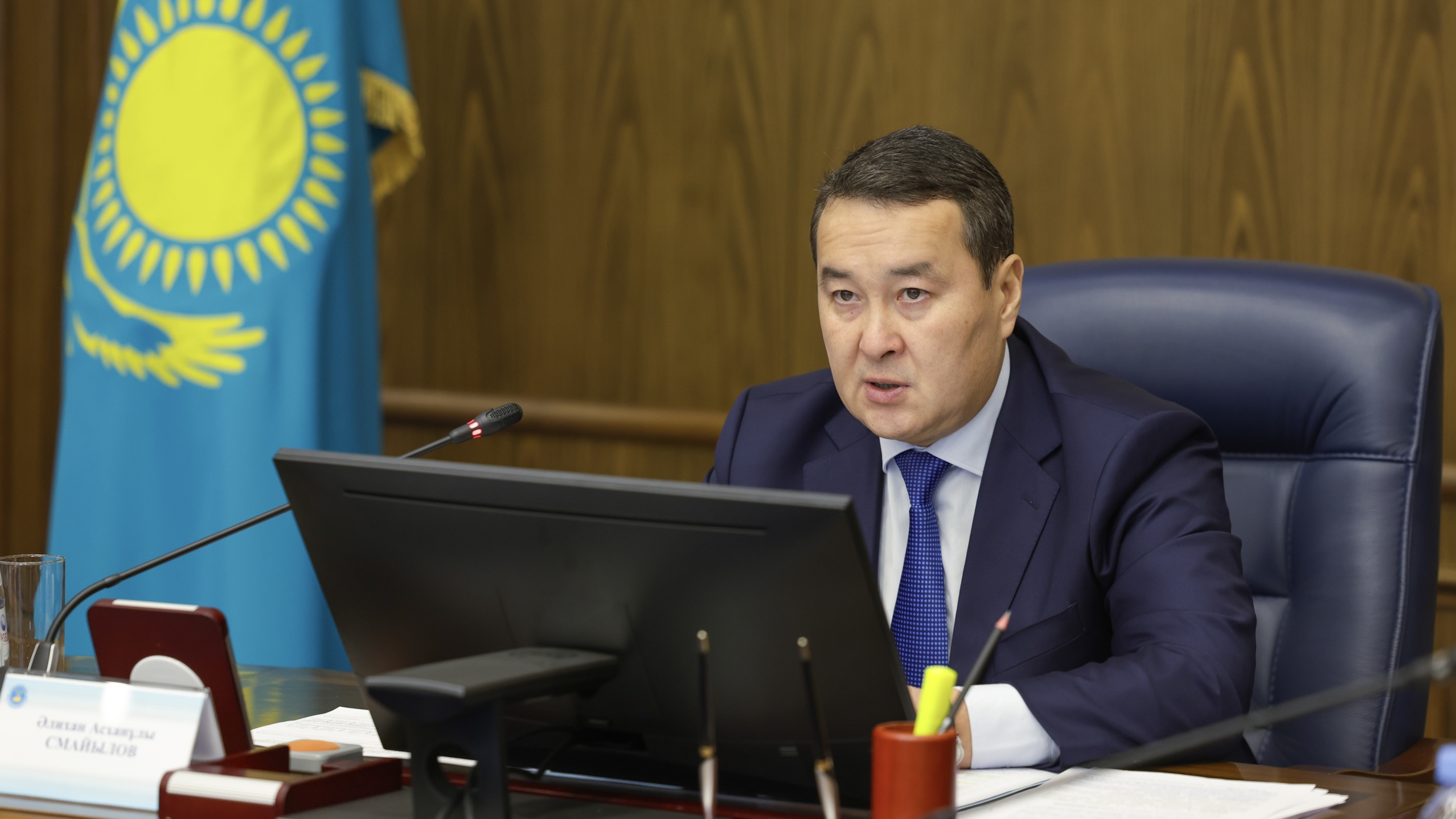
The results of the performance audit of the Treasury Committee of the Ministry of Finance of the Republic of Kazakhstan were considered at a meeting of the Supreme Audit Chamber chaired by Alikhan Smailov.
As noted, initially the centralized treasury system was created for effective management of the republican budget. However, over the past 30 years, the list of tasks of treasury bodies has expanded significantly. It includes functions for servicing the execution of local budgets, the National Fund, the Victims Compensation Fund, as well as tasks in the field of organizing and conducting centralized public procurement.
Today, the territorial bodies of the Treasury serve more than 15 thousand customers.
At the same time, the audit revealed systemic shortcomings in the work of the treasury system in terms of managing budget funds and making payments, reducing its effectiveness.
Thus, the Treasury Committee, violating the norms of the Budget Code, in some months of 2021-2023, issued equity securities in excess of the originally planned volume. Although the forecast of the balance of funds in the control cash account of the republican budget was positive. This led to possible budget losses in the amount of more than 124 billion tenge.
At the meeting, Alikhan Smailov stressed that the treasury bodies should serve as a reliable barrier to unjustified and illegal payments from the accounts of state institutions. However, as the audit results show, payment documents for budget construction projects are insufficiently monitored.
Thus, the current control by the treasury authorities is carried out only for the availability of a supporting document. Without checking it for compliance with the form established by law, as well as for the presence of a mark confirming copyright and technical supervision. For example, the Department of Treasury of the city of Almaty, according to the same certificate on the cost of completed works for 2.5 billion tenge, as part of the reconstruction of one of the administrative buildings, made payments twice totaling 3.7 billion tenge. And this is not an exceptional case.
At the same time, the Chairman of the SAC drew attention to the problems associated with advance payments. Thus, the territorial bodies of the Treasury, in violation of the norms of budget legislation, executed invoices for the payment of new advances in the presence of an outstanding advance amount of previous years, as well as without proportional deduction of previously paid advances.
Alikhan Smailov stressed that the central office of the Treasury needs to finalize the current information system so that it automatically blocks the possibility of making payments in violation of the requirements of budget legislation.
Auditors also had a lot of questions about the treasury support mechanism, which, for a number of reasons, cannot always ensure control over the targeted use of budget funds, the completeness of taxes and other payments to the budget by participants in state projects.
Thus, within the framework of treasury support of projects, the opening of public procurement accounts for subcontractors is not always carried out taking into account the results of the risk analysis conducted by the state revenue authorities. This may lead to the participation of unscrupulous subcontractors in projects. In addition, payments from public procurement accounts to the bank accounts of the final recipients of money were made by the territorial treasury authorities without confirming their status as a producer of goods, works or services.
The relevant government agencies also do not monitor and analyze the achievement of the goals of implementing treasury support.
In total, according to the results of the conducted state audit:
- 70 procedural violations and 15 systemic deficiencies were found;
- possible budget losses amounted to more than 124 billion tenge.
For all identified shortcomings and violations, the Supreme Audit Chamber has developed appropriate instructions and recommendations aimed at their elimination.
This work will be monitored and the results recorded electronically.