Kazakhstani specialists studied the best Korean practices of state audit
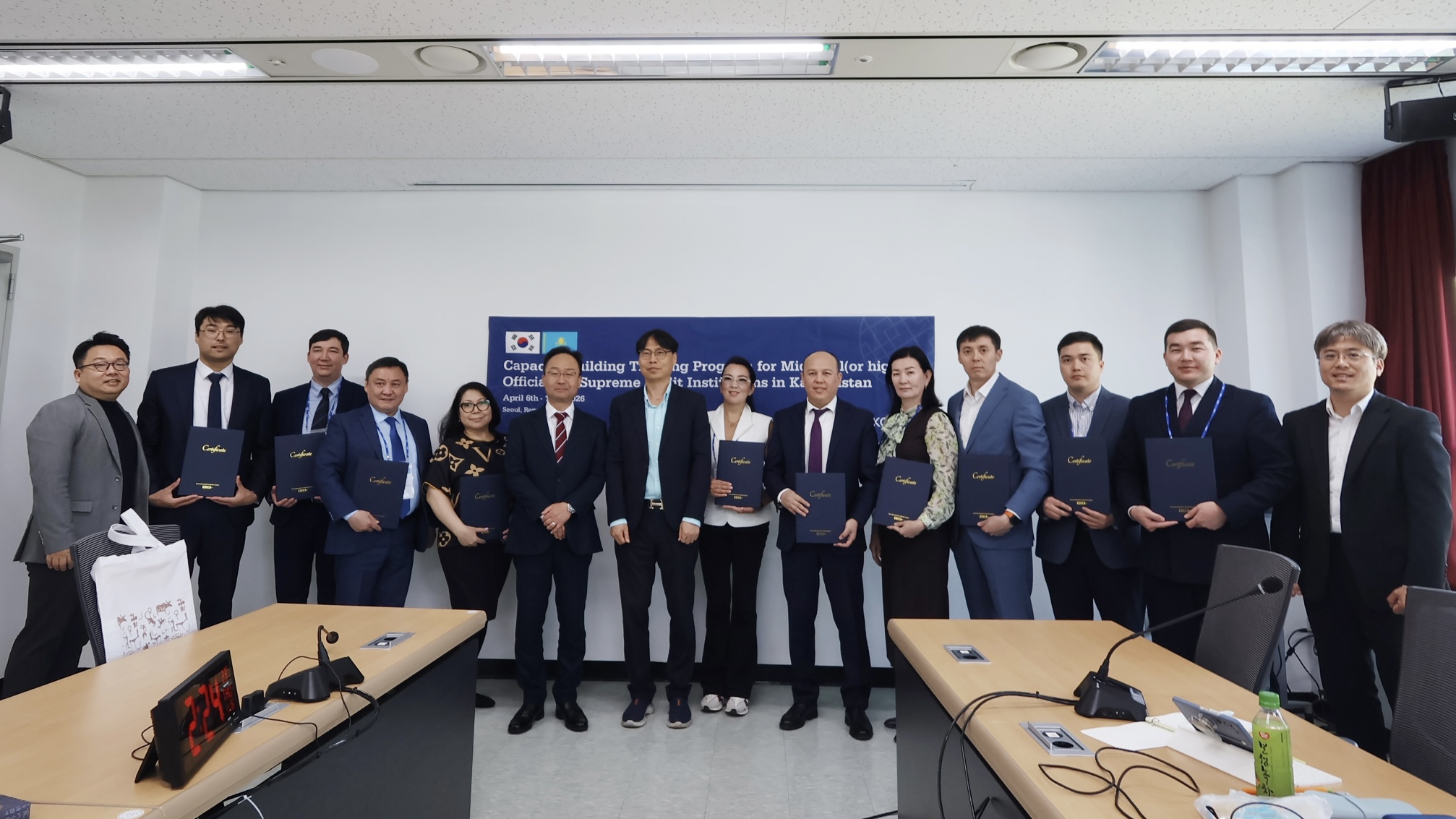
In order to enhance the expert capacity of the Supreme Audit Chamber of the Republic of Kazakhstan, a group of mid and senior-level officials of the institution underwent short-term specialized training in the Republic of Korea.
The working visit of the Kazakhstani delegation to the city of Seoul took place on April 6-17 by the invitation of the Korean side. The professional program was organized by the Audit and Inspection Training Institute (AITI) and the Korea International Cooperation Agency (KOICA).
During the two-week training, participants studied the history of development, the constitutional and legislative status of the Supreme Audit Institution of Korea, local standards and procedures for conducting audit activities, as well as methodologies such as documentary audit, field audit, delegated audit, and others. A performance audit in the public transport sector of Korea was examined as a case study. Its results led to a revision of approaches to such audits: the focus shifted from identifying violations already committed to deeper control of technical stages prior to the start of construction.
Representatives of the Supreme Audit Chamber also became acquainted with Korean systems of financial audit and evaluation of the effectiveness of budget programs. In particular, the evolution of Korea’s budget system was examined in detail: from line-item expenditure control to the modern program-target approach (Performance-Based Budgeting), where not only the spending of funds is assessed, but also the achievement of specific results based on established KPIs. At the same time, auditors in Korea pay particular attention to why unspent funds are carried over to the next fiscal year, how reserve funds are used, and whether project costs are reduced in a timely manner when construction materials become cheaper.
Special attention was given to digital audit tools of the Republic of Korea. In particular, the following were studied: the Korean information and analytical system BARON, digital forensics methods for detecting financial violations and corruption, as well as measures to ensure cybersecurity in the financial sector. For the operation of the BARON system, a separate Data Analysis Center with a strong IT team has been established. It closely interacts with auditors by collecting, processing, and providing the necessary analytics for audits upon request. The data is generated through integration with 53 systems of 35 government agencies of Korea.
The training program was conducted on a bilateral basis. Kazakhstani delegation provided a detailed overview of the reforms being implemented in the system of state audit of Kazakhstan at the initiative of the President of the Republic of Kazakhstan, as well as of applied practices, introduced international standards, digital tools, and the development plan for 2026-2030. As part of a special presentation, key information about the Supreme Audit Chamber of the Republic of Kazakhstan was presented, including its constitutional status, structure, functions, powers, and main stages of development.
Following the training, the representatives of the Supreme Audit Chamber developed a thematic Action Plan aimed at adapting the best Korean practices to the conditions of Kazakhstan’s state audit system. Cooperation with the Board of Audit and Inspection of the Republic of Korea remains one of the priority areas of the international activities of the Supreme Audit Chamber of the Republic of Kazakhstan. The results of the visit will be applied in practice and will contribute to the further development of state audit in Kazakhstan.