The results of the state audit in Kostanay Region have been summarized by the Supreme Audit Chamber of the Republic of Kazakhstan
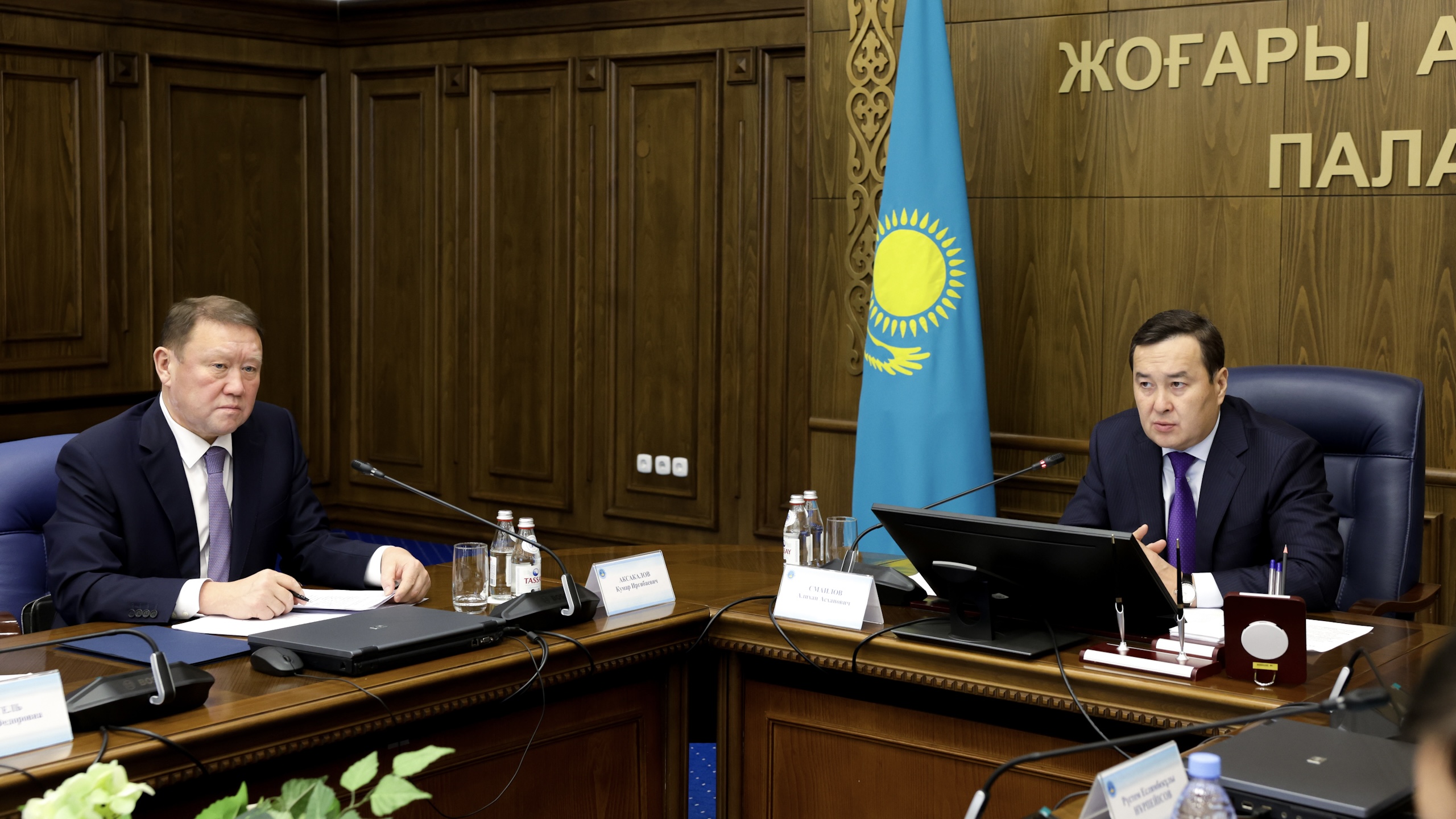
The results of the state performance audit of public resource use in Kostanay Region were reviewed at a meeting of the Supreme Audit Chamber of the Republic of Kazakhstan.
According to the audit report, the region has seen growth in its gross regional product. However, socioeconomic development indicators have improved unsteadily. Systemic gaps in management and planning exist at the executive level.
Local budget revenues for 2020-2024 increased by 75%, while the share of own revenue increased by only 7% – from 29% to 36.1%.
It was established that during budget execution borrowings totaling 30 billion tenge were admitted despite the existence of 19 billion tenge in unused available funds. This indicates a misalignment between expenditure planning and the debt burden.
Foreign direct investment inflows remain low. Six of eight investment projects worth 188 billion tenge that were planned for 2025, have not been commissioned.
Shortcomings have been identified in the implementation of the regional development program. In 2022–2024, between 12 and 164 budget investment projects were annually excluded from the action plan for its implementation.
During the implementation of a number of infrastructure projects, systemic violations were identified, primarily related to the poor quality of design and cost estimate documentation. As a result, some facilities cannot be commissioned, while others require adjustments already at the construction stage.
Despite state support provided to 352 business entities totaling 11 billion tenge, 179 of them ceased operations, and another 168 failed to meet their job creation obligations. This indicates an insufficient level of monitoring and evaluation of the effectiveness of the support measures.
Signs of hidden subsidization of financially stable private businesses were recorded, which violates competition principles and reduces the effectiveness of social and entrepreneurial corporations (SECs).
According to auditors, there is inadequate control over the quality of road construction works in the region. Inspections of 12 sites revealed various defects, including subsidence and deterioration of asphalt concrete pavement, including at locations where repairs had previously been carried out.
The agro-industrial complex remains a key sector of the region. However, despite annual government support, its development is characterized by instability. Since 2022, gross agricultural output has been declining, livestock numbers have decreased, and the number of liquidated agricultural enterprises has increased.
In the field of public procurement, violations totaling 12 billion tenge were identified. These include the admission and selection of winners who did not meet tender requirements, the use of a “special procurement procedure” through unjustified classification as “for official use only,” as well as single-source procurement under the pretext of emergency situations.
In projects involving the construction of rural medical outpatient clinics, the cost of medical equipment was overstated by approximately 200 million tenge. At the same time, certain items were actually purchased at prices 18 to 46 times lower than those specified in the design and estimate documentation. Prices for some types of equipment were based on price lists from a company that had been declared bankrupt.
Overall, the audit identified financial violations totaling 51 billion tenge, as well as inefficient planning and use of budget funds amounting to 50 billion tenge.
Materials related to 52 cases have been forwarded for the initiation of administrative proceedings.