The results of the SAC audit in Almaty have been summed up
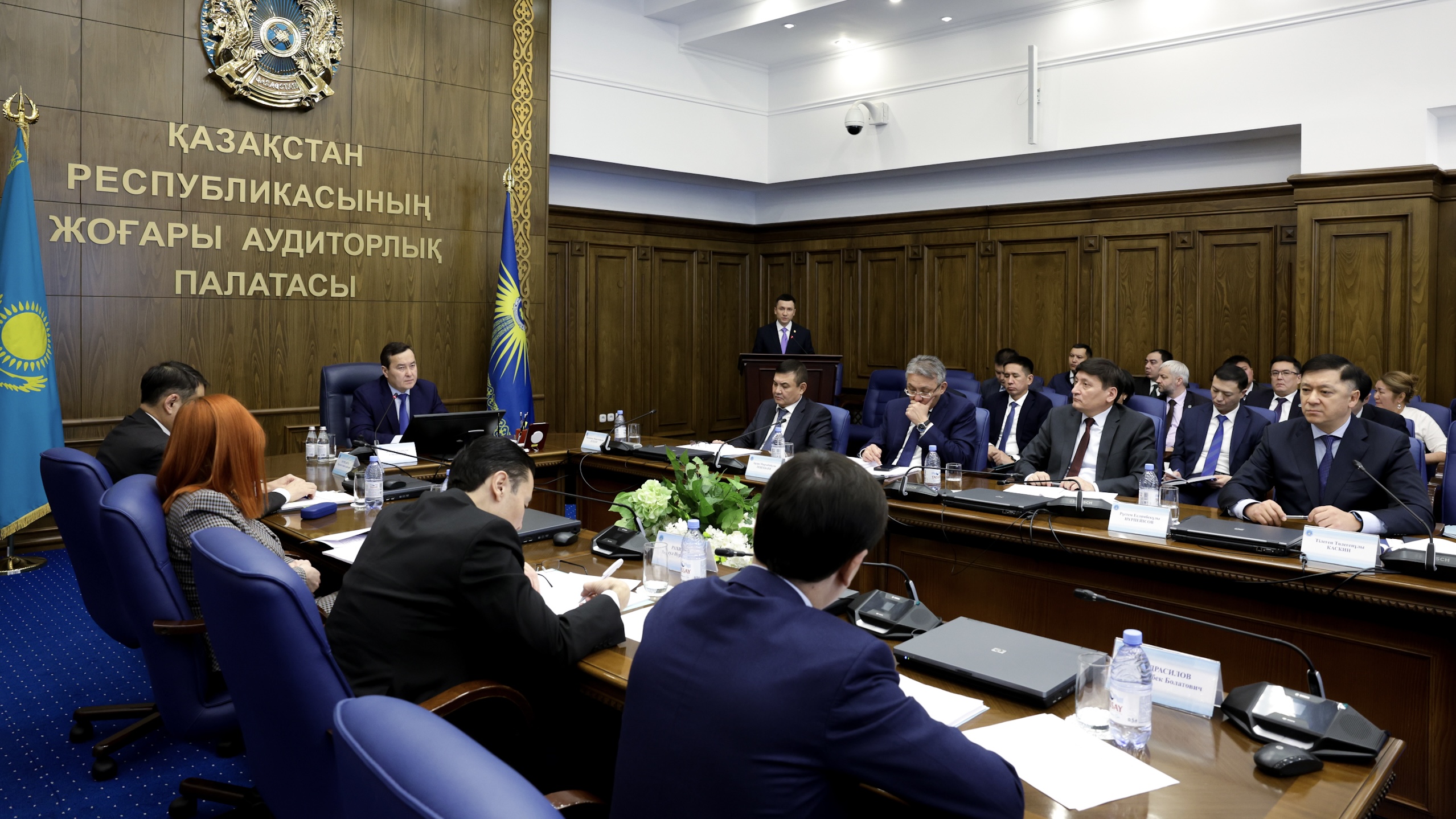
The state performance audit of the use of budgetary funds and assets was conducted in Almaty (for the period from January 1, 2020 to September 17, 2025). Its results were summed up at a meeting of the Supreme Audit Chamber of the Republic of Kazakhstan.
Today, Almaty remains the largest economic center of the republic. The city with the population more than 11% forms almost 22% of GDP. However, the city's economy is still focused primarily on trade and services, while the manufacturing and innovation sectors are developing less dynamically. This is holding back the growth rate of Almaty.
The audit of the SAC revealed shortcomings and individual violations in planning, management and control.
Thus, the Almaty development plan for 2021-2025, despite regular adjustments, has not become a sufficiently effective management tool. The audit revealed the practice of incomplete financing of the planned activities, which did not allow achieving certain target indicators.
Despite the increase in the number of budget investment projects – from 365 in 2022 to 529 in 2025 – a number of shortcomings were noted in their implementation.
For example, according to the construction projects of 41 apartment buildings in the Zhas-Kanat microdistrict, which were concluded in 2021, 7 houses were not completed at the time of the audit, and 12 more were not transferred to communal ownership due to the lack of landscaping of the adjacent territory.
During the audit, the auditors had a lot of questions about the work of the Office of Urban Mobility. In 2022-2025, they allowed unjustified payment of subsidies to carriers for 2.3 billion tenge.
As follows from the auditor's report, the Land Relations Department needs to increase transparency in the allocation of land plots and strengthen control over their intended use. Non-compliance with building density eventually led to a strain on engineering and transport infrastructure, as well as a lack of walking distance to social benefits for the city's population.
According to the auditors the activities of the Almaty Social and Entrepreneurial Corporation are accompanied by systemic inefficiency. Thus, budget investments in the amount of about 30 billion tenge for housing construction have remained undeveloped for almost three years.
The SEC also did not fully cope with the stabilization of food prices. At the same time, budget loans were used inefficiently and were placed in financial instruments.
In general, according to the results of the audit, financial violations in the amount of over 203 billion tenge were identified, more than 26 billion tenge of which was reimbursed during the audit, and more than 83 billion tenge was restored by accounting and by performing work.
Materials on 417 facts with signs of administrative offenses have been submitted to the authorized bodies for initiation of administrative proceedings. Based on the results of the SAC audit, the necessary instructions and recommendations have been prepared to eliminate the identified violations and improve strategic planning, assets management and budget discipline in the city of Almaty.