Results of the State Audit of Pension and Social Security Systems Summarized at the Supreme Audit Chamber
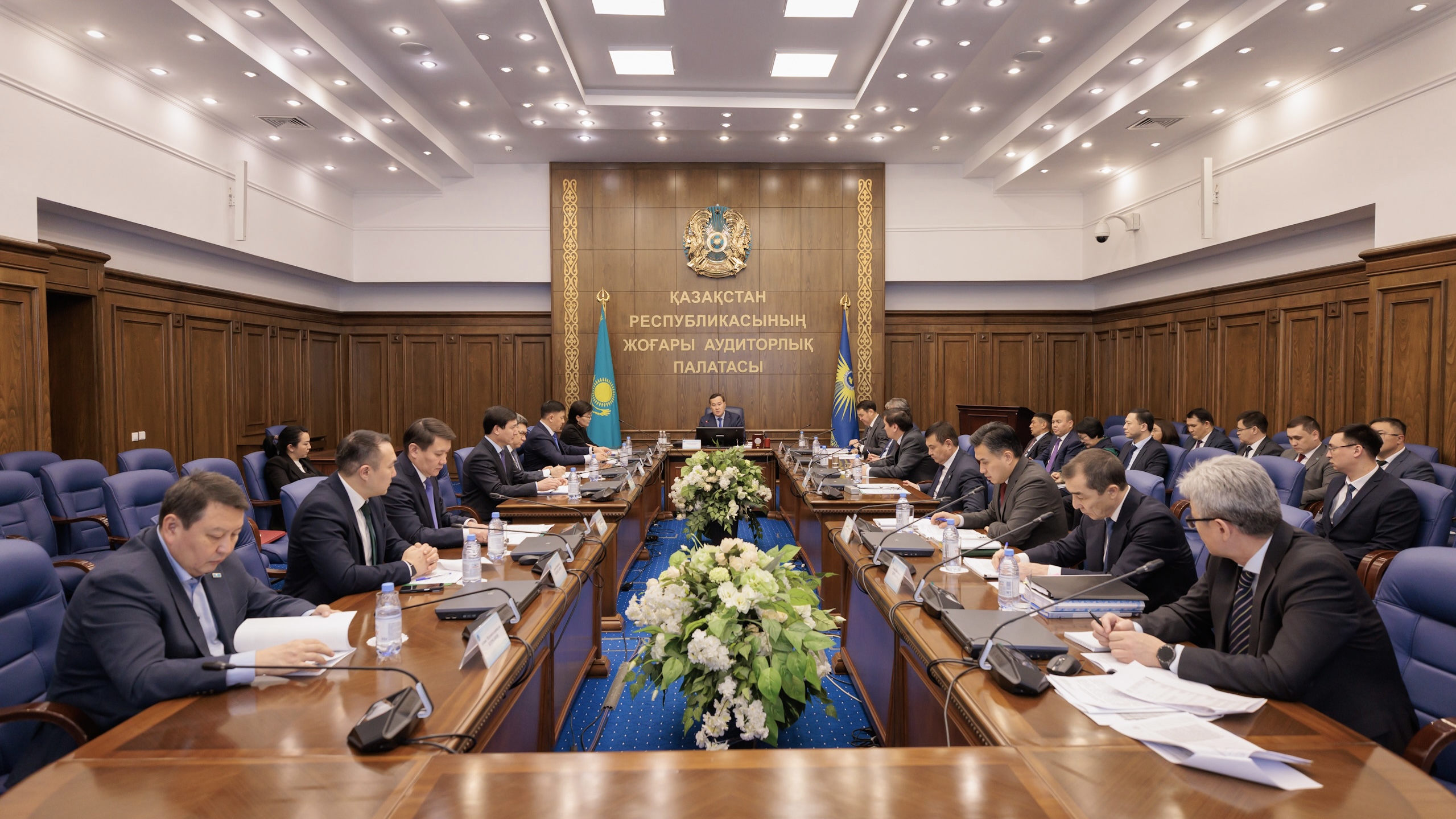
In Kazakhstan, the state performance audit of pension and social security systems for citizens has been completed. Its results were reviewed at a meeting of the Supreme Audit Chamber of the Republic of Kazakhstan chaired by Alikhan Smailov.
Creating conditions for the stable functioning of pension and social security systems is one of the key tasks of any state. Through these mechanisms, the most vulnerable categories of people can receive support when it is needed.
The Constitution of Kazakhstan guarantees its citizens a minimum wage and pension, as well as social security by age, in case of illness, disability, loss of a breadwinner, and on other legal grounds.
According to the audit results, both the number of pension and benefit recipients and the amounts of payments are increasing annually in the country. Over the past five years, the average solidarity pension has increased by 37%, the average basic pension by 45%, and the average pension from the Pension Fund by 25%. The average amount of state benefits has increased by 58%, while payments from the Social Insurance Fund have grown more than 2.5 times.
At the same time, according to the auditors, there are a number of areas that require attention and improvement.
In particular, it is necessary to intensify the conclusion of international agreements on the exchange of information about pension recipients. This will reduce the risk of double payments — in Kazakhstan and in the country of citizenship.
The issue of the stability of pension contributions by self-employed citizens remains relevant. This is important, as upon retirement the accumulated funds should be sufficient to ensure the recommended level of payments.
To improve the efficiency of asset management of the Social Insurance Fund, certain practices and approaches require revision or stricter control.
The auditors also recorded cases of artificial overstatement of income levels and the number of workplaces in order to obtain increased maternity and childbirth benefits. In some cases, contributions were made simultaneously from 3 to 10 workplaces, and 169 individuals were listed in more than 16 organizations. To eliminate such cases, further improvement of the regulatory framework is required.
In addition, cases of excessive withdrawal of assets of the Social Insurance Fund from trust management were recorded, which led to inefficient use of assets amounting to more than 216 billion tenge.
The absence of a provision on the maximum amount of social payments, as well as an insufficient level of interaction with state revenue authorities in confirming the incomes of beneficiaries, led to the loss of assets of the Social Insurance Fund amounting to approximately 96 billion tenge.
The effectiveness of pension and social security systems is also reduced by the lack of integration with the databases of authorized government bodies regarding information on deceased persons, those who have obtained permission to leave for permanent residence abroad, those registered with consulates, etc. This issue requires further refinement.
There is also a need for a coordinated methodology for planning the number of pension and benefit recipients for the upcoming planning period, which will improve the quality of budget formulation and execution.
- Based on the audit results, financial violations amounting to 5 million tenge and inefficient use of funds totaling 216.2 billion tenge were identified.
- 46 systemic deficiencies were identified.
- 22 materials were submitted for consideration of administrative liability.
- Materials on 2 cases will be sent to law enforcement agencies.