The results of the state audit in the Zhambyl Region have been finalized at the Supreme Audit Chamber of the Republic of Kazakhstan
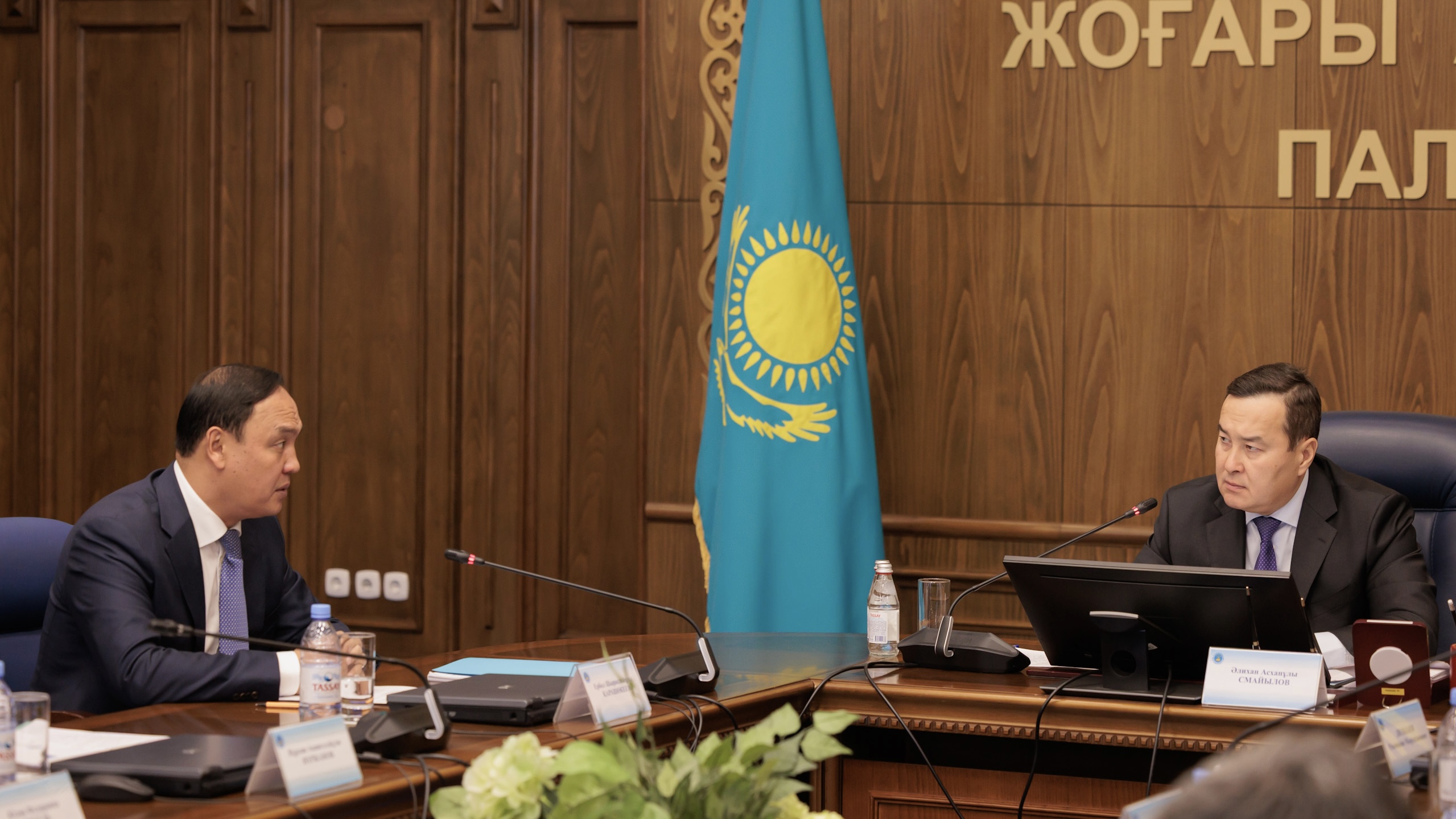
At the meeting of the Supreme Audit Chamber of the Republic of Kazakhstan, the results of the performance audit of the use of state funds and assets conducted in the Zhambyl Region were reviewed.
As noted in the audit opinion, over the period from 2020 to 2024, the region demonstrated growth in key macroeconomic indicators. However, the region's share in the overall structure of Kazakhstan's GDP decreased from 2.7% to 2.3%.
Based on the results of the first ten months of the current year, the volume of investments attracted to the region exceeded 553 billion KZT, which is 1.4 times higher than indicators for the same period in 2024. However, in terms of investment in fixed capital over the period from 2020 to 2024, the region lags behind the leaders of the national ranking by more than 3.5 times.
Overall, the audit conducted by the Supreme Audit Chamber identified a number of violations and shortcomings in budget planning, public procurement, investment project management, as well as in the activities of JSC "Social and Entrepreneurial Corporation Taraz."
Thus, the Zhambyl Region remains highly dependent on transfers from the republican budget, the share of which averaged 80% over the period from 2020 to 2024. During this period, transfers increased by more than 51%, from 344 billion KZT to 521 billion KZT. At the same time, auditors identified instances of unutilized budget funds totaling more than 38 billion KZT.
The Regional Development Program for 2021-2025 does not include indicators or measures to address a number of the most significant and pressing issues, namely the absence of wastewater treatment facilities in the city of Taraz, the growing number of people on housing waiting lists, and the low level of implementation of water-saving technologies on irrigated lands.
In the field of public procurement, instances were identified where the Construction and Housing and Communal Services Departments of the city of Taraz unjustifiably applied a special procedure for concluding contracts marked "For Official Use," which restricts fair competition. In addition, there are cases of contracts being concluded with affiliated companies.
Auditors noted weak oversight of investment project implementation in the city of Taraz and the region. Specifically, there were instances of payments to contractors for uncompleted work and advance payments made despite existing outstanding debts.
For example, in June of this year, the Housing and Communal Services Department of the city of Taraz paid over 537 million KZT for two urban road maintenance projects, yet work had not commenced even after 70 days. The actual execution of the paid work only began following the audit conducted in August of the current year.
Another example is the construction of a gas pipeline supplying 18 settlements in the Shu District of the Zhambyl Region, which has not been completed for over six years despite a standard completion period of two years. This has resulted in the inefficient use of the allocated 8.2 billion KZT due to unutilized funds being returned to the higher-level budget.
Regarding the Social and Entrepreneurial Corporation "Taraz," the development plan lacks indicators aimed at improving the efficiency of the Corporation's activities. In addition, in December 2024, the number of existing indicators was reduced from 18 to 5, and the indicators for the remaining ones were adjusted to reflect the results actually achieved.
Overall, the audit established the following:
- Financial violations totaling 58.5 billion KZT, including 47.1 billion KZT in violations related to accounting and financial reporting;
- Inefficient planning and use of budget funds totaling 75.6 billion KZT.
The work on addressing the identified violations and shortcomings, holding officials accountable, and introducing the necessary legislative amendments will remain under the supervision of the Supreme Audit Chamber.