The results of the state audit in the North Kazakhstan Region have been summarized in the Supreme Audit Chamber
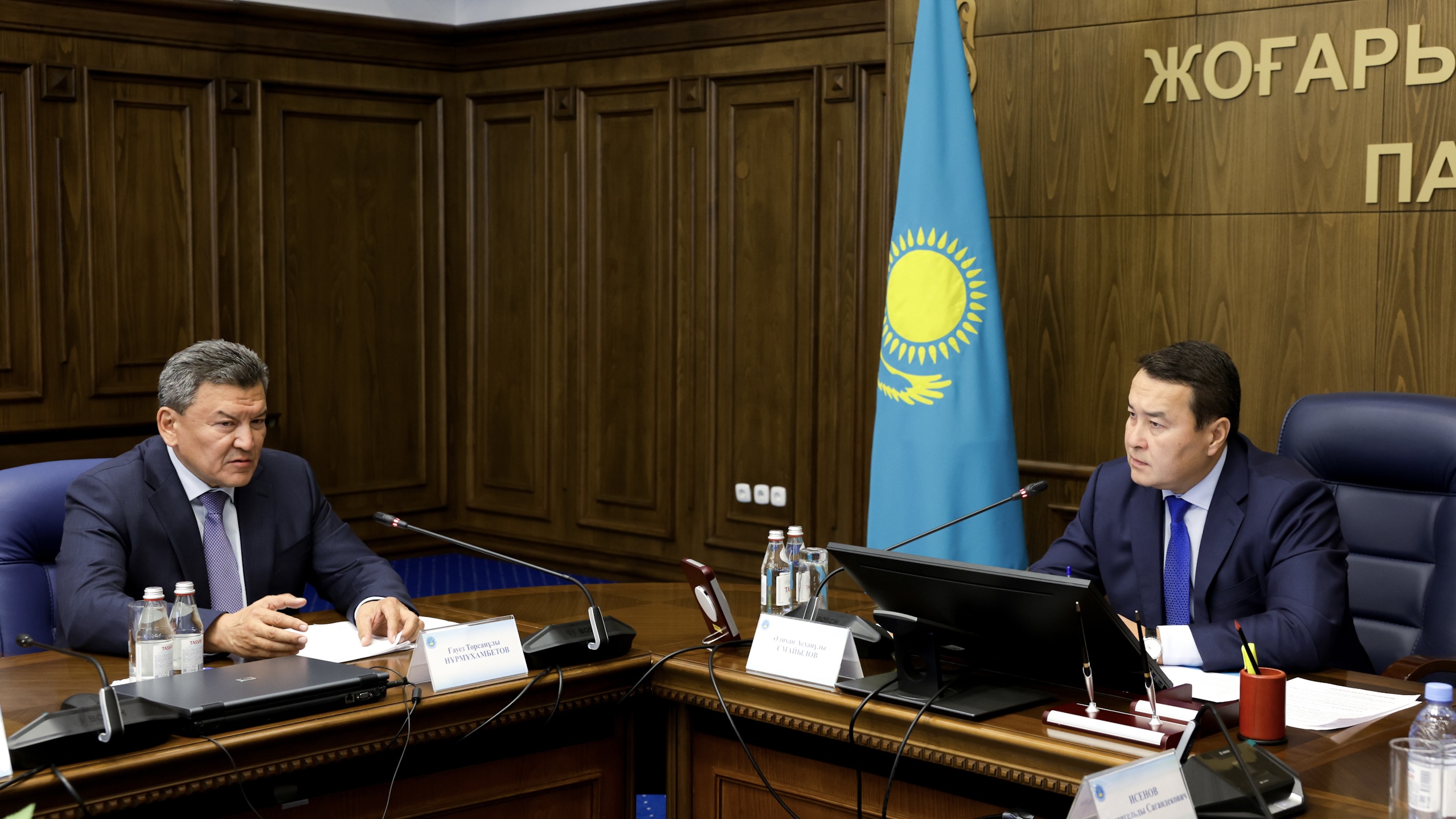
The performance audit of the use of budget funds and state assets allocated to the North Kazakhstan Region has been completed. Its results were reviewed at a meeting in the Supreme Audit Chamber.
The audit showed that over the past 5 years the region as a whole fulfilled the main socio-economic indicators. A stable growth of the gross regional product (GRP) is noted — by 69% since 2020. The unemployment rate decreased by 0.4%, and the share of citizens with incomes below the subsistence minimum — by 2.3 percentage points. At the same time, the housing stock increased by 600 thousand square meters.
At the same time, the audit revealed a number of factors, violations, and shortcomings that negatively affect the quality of life in the region.
Thus, the region is experiencing a decline in natural population growth and a negative migration balance.
In the field of education, the problems of three-shift and emergency-condition schools remain unresolved. Seventeen schools have no gyms, and 24 schools are not equipped with subject-specific classrooms. The issue of the deterioration of medical facility buildings, amounting to about 74%, remains acute.
Despite the increase in the number of small and medium-sized business entities, a decrease is noted in the volume of products produced by them in the total GRP of the region.
During the meeting, the Chairman of the SAC, Alikhan Smailov, also drew attention to the significant decrease in the revenues of enterprises engaged in wholesale and retail trade in the region — according to the State Revenue Committee, by 100 billion tenge.
“Turns out, the tax potential of the region has decreased in trade. Accordingly, fewer taxes were paid, and the local budget had fewer opportunities to finance projects for the development of social infrastructure and others. We saw this and believe that this is, to put it mildly, not in order. Perhaps the shadow sector has increased. This needs to be addressed,” he noted.
The inconsistency of powers between the departments of economy and finance leads to a gap between the planning and budget support of investment projects. In particular, it was established that 11 projects were planned without compliance with budget legislation norms for 56 billion tenge.
The SEZ “Qyzyljar” remains without sufficient attention, although it is strategically important for the region. Due to the lack of engineering infrastructure, some SEZ facilities were not commissioned on time, which reduces the efficiency of the SEZ and investor confidence. At the same time, the local budget allocates funds to less priority projects, such as the reconstruction of administrative buildings (7.3 billion tenge) and the construction of a theater (7 billion tenge).
Thirty-eight reference villages in the region still remain without high-quality centralized water supply. Of the 79 constructed facilities, 22 (worth 10 billion tenge) have still not been transferred to operating organizations.
Work on the development of the region’s transport infrastructure is not being conducted properly: there is no comprehensive scheme for the development of passenger transport and no sufficient monitoring of road infrastructure safety.
The assessment of the activities of JSC “SPK ‘Soltüstik’” showed low efficiency of management and implementation of investment directions. For example, the creation of joint ventures did not produce results and led to losses of about 1 billion tenge of state resources. Significant losses are associated with the maintenance of non-core assets — 610 million tenge, and the use of regional stabilization fund resources — 298 million tenge. Additionally, violations in accounting for more than 24 billion tenge were identified.
Violations of legislation in the field of public procurement were established, namely facts of concluding single-source contracts without conducting competitive procedures for 5.5 billion tenge, as well as non-compliance with restrictions on the transfer of work volumes to subcontractors.
In total, based on the results of the audit, the following were established: financial violations — 28.3 billion tenge; inefficient planning and use of budget funds — 112.4 billion tenge.
Materials on 111 facts were sent for the initiation of administrative cases, and separate materials will be transferred to law enforcement agencies.
Work on eliminating the identified violations and shortcomings, holding responsible officials accountable, as well as introducing the necessary amendments to legislation will remain under the control of the Supreme Audit Chamber.