SAC summed up the state audit results in the field of science development
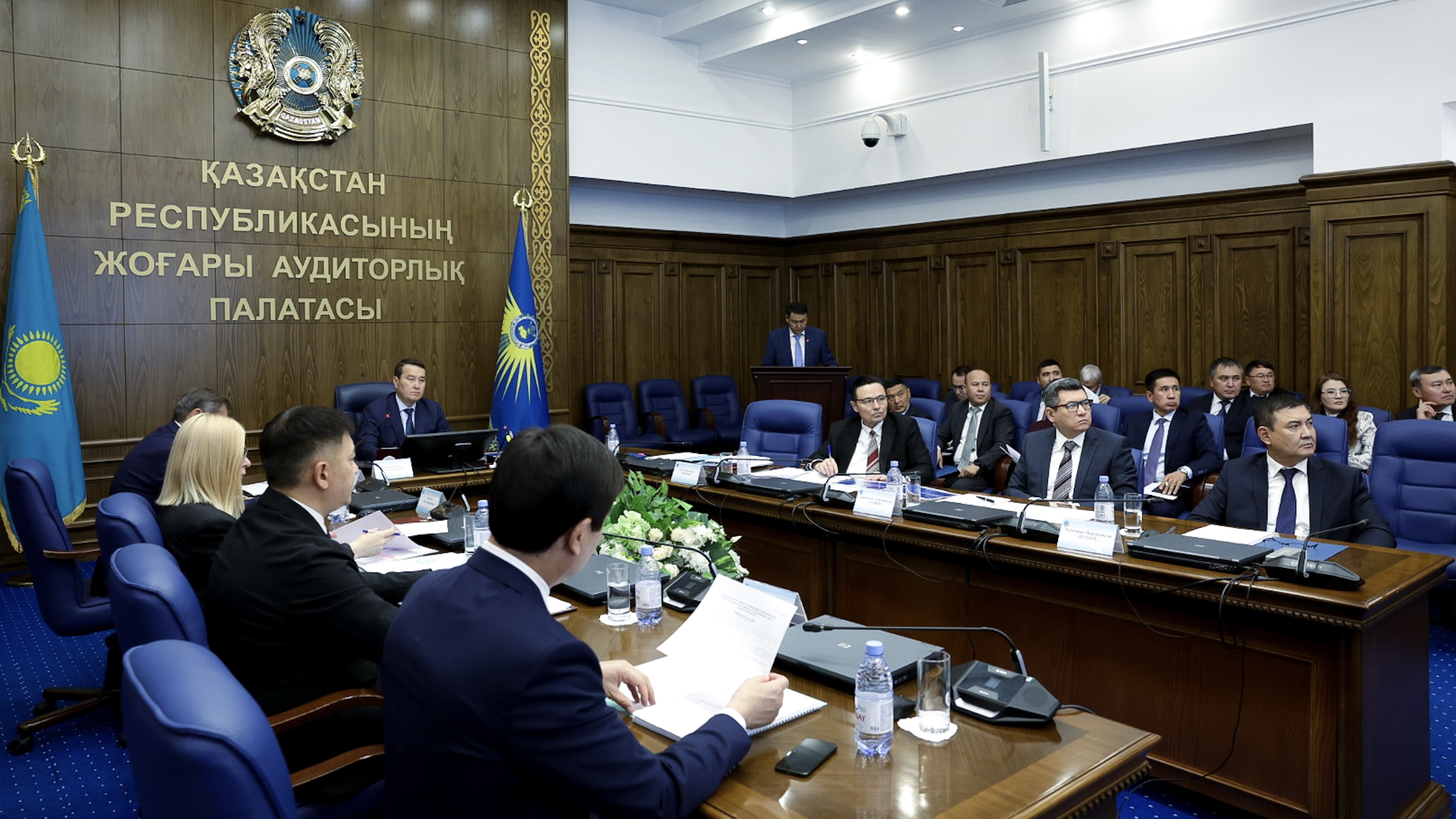
State auditors have reviewed how effectively the budget funds allocated for the development of science are being used. The relevant audit results were reviewed at a meeting in the SAC of Kazakhstan.
The discussion was attended by the Minister of Science and Higher Education Nurbek Sayasat, senior officials of the Ministry, heads of subordinate organizations and representatives of other interested government agencies.
The audit made it possible to identify areas that require further improvement. These include strategic planning, the activities of key institutions and the normative regulation of the industry.
Thus, despite the increase in the total amount of science funding to 219 billion tenge, the share of expenditures on research and development (R&D) it may still be higher than the current figures. The auditors also drew attention to the need to step up the applied implementation of scientific developments and adapt them to the demands of the real sector of the economy.
The key objectives of the state policy in the field of science, laid down in the program documents, have not been fully reflected in the Ministry of Science and Higher Education development plan. There is also a lack of proper interaction between the Science Committee and industry government agencies, which creates risks for the high-quality implementation of scientific developments.
The work of the National Scientific Councils (NSC) has identified factors that require additional attention. There have been cases when individual board members simultaneously participated in several funded projects, which creates a risk of overlapping interests and requires further improvement of regulatory procedures.
"At the same time, the responsibility of members of scientific councils for decisions taken without taking into account expert opinions, for approving projects with violations, as well as for terminating funding for previously approved projects has not been established," the auditors note.
The facts of the announcement of scientific competitions have been recorded with a significant delay, in some cases by more than 500 days. Scientific and technical expertise procedures are also often accompanied by numerous violations of deadlines.
Monitoring of scientific projects, designed to ensure control over the use of funds and the achievement of results, was carried out without sufficient effectiveness. Projects with comments, recommendations for improvement, or individual deviations were still approved for further funding.
The commercialization projects of the Science Foundation have also been implemented with disadvantages. 42 completed projects did not reach the planned sales volumes, and 8 projects did not produce products at all.
As part of the creation of engineering centers and technology parks at leading universities, the facts of misuse of funds and overestimation of the purchases cost have been revealed.
In total, according to the state audit results, financial violations in the amount of 1.7 billion tenge were revealed.
Inefficient planning of funds is estimated at 24.2 billion tenge, inefficient use – at 42.5 billion tenge.
The materials will be sent to law enforcement agencies for individual violations.
Relevant recommendations and instructions have been sent to the Government, the Ministry of Science and Higher Education and other relevant institutions to eliminate all identified violations and systemic deficiencies.