The Supreme Audit Chamber reviewed the audit results in the field of geological exploration and subsoil use
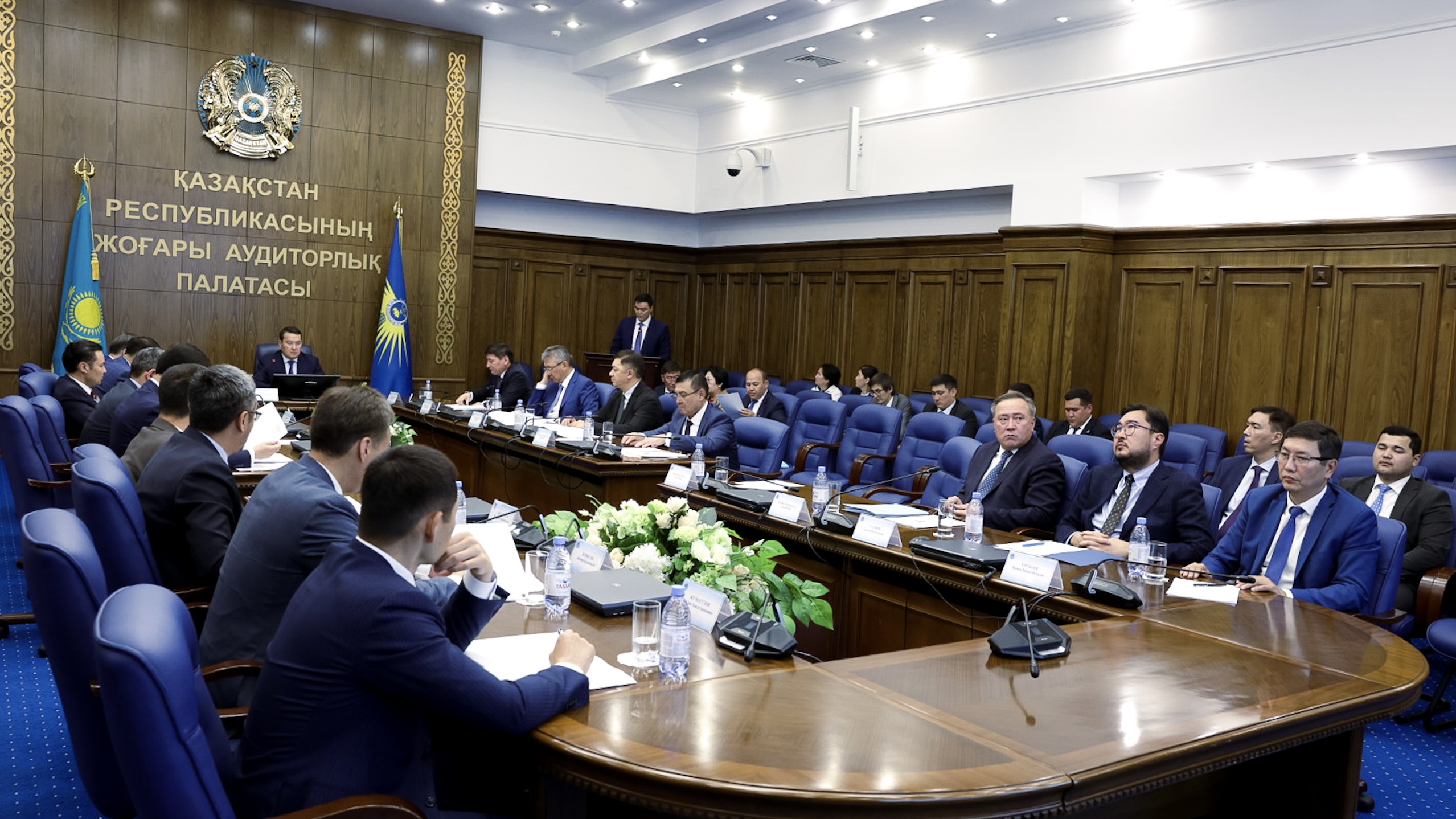
At a meeting of Supreme Audit Chamber of the Republic of Kazakhstan, the results of the state audit of the use of national resources in the field of geological exploration and subsoil use were summarized.
Currently, subsoil use provides more than 20% of the country's GDP. Kazakhstan has large reserves of mineral resources, including chromium, iron ore, lead, zinc, copper, uranium, gold, silver, etc.
Nonetheless, the audit revealed a number of systemic shortcomings in the management processes of the mineral resource complex.
Thus, against the background of the depletion of confirmed resources, a high proportion of so-called "paper" resources is noted, when reserves are preliminarily estimated, but not confirmed and not involved in economic turnover. One of the reasons for the decrease in reserve growth is the lack of adequate funding for geological exploration of the subsoil. Despite the implementation of a licensing system of exploration rights, low investment activity of subsoil users remains.
Auditors note that the Ministry of Industry and Construction has not implemented the tasks of digitizing geological data, creating a digital database, updating funds and increasing the activity of the private sector. The lack of modern storage facilities creates the risk of losing or damaging valuable geological data.
Due to the lack of control by the Geology Committee and the contractor's unfair fulfillment of contractual obligations, the state paid for unfulfilled work on digitizing geological materials in the amount of 68.2 million tenge.
The Ministry of Industry allows changes to be made to the work programs of subsoil users without mandatory tax expertise. This gives companies the opportunity to interpret tax rules in their own way and avoid paying taxes and other payments to the budget.
Against the background of increased interest in the natural resources of the Republic of Kazakhstan, the demand for modern and reliable laboratories that must operate according to international standards is increasing. The lack of the required number of relevant laboratories reduces the quality of control over the export of precious metals and raw materials.
Auditors revealed 81 procedural violations and 16 systemic deficiencies.
Based on the results of the audit, Supreme Audit Chamber developed the necessary recommendations and instructions aimed at developing the sphere of geological exploration and subsoil use. Work on their implementation has been put under control.