State Audit in the field of food security: 4.4 billion tenge recovered to State Assets
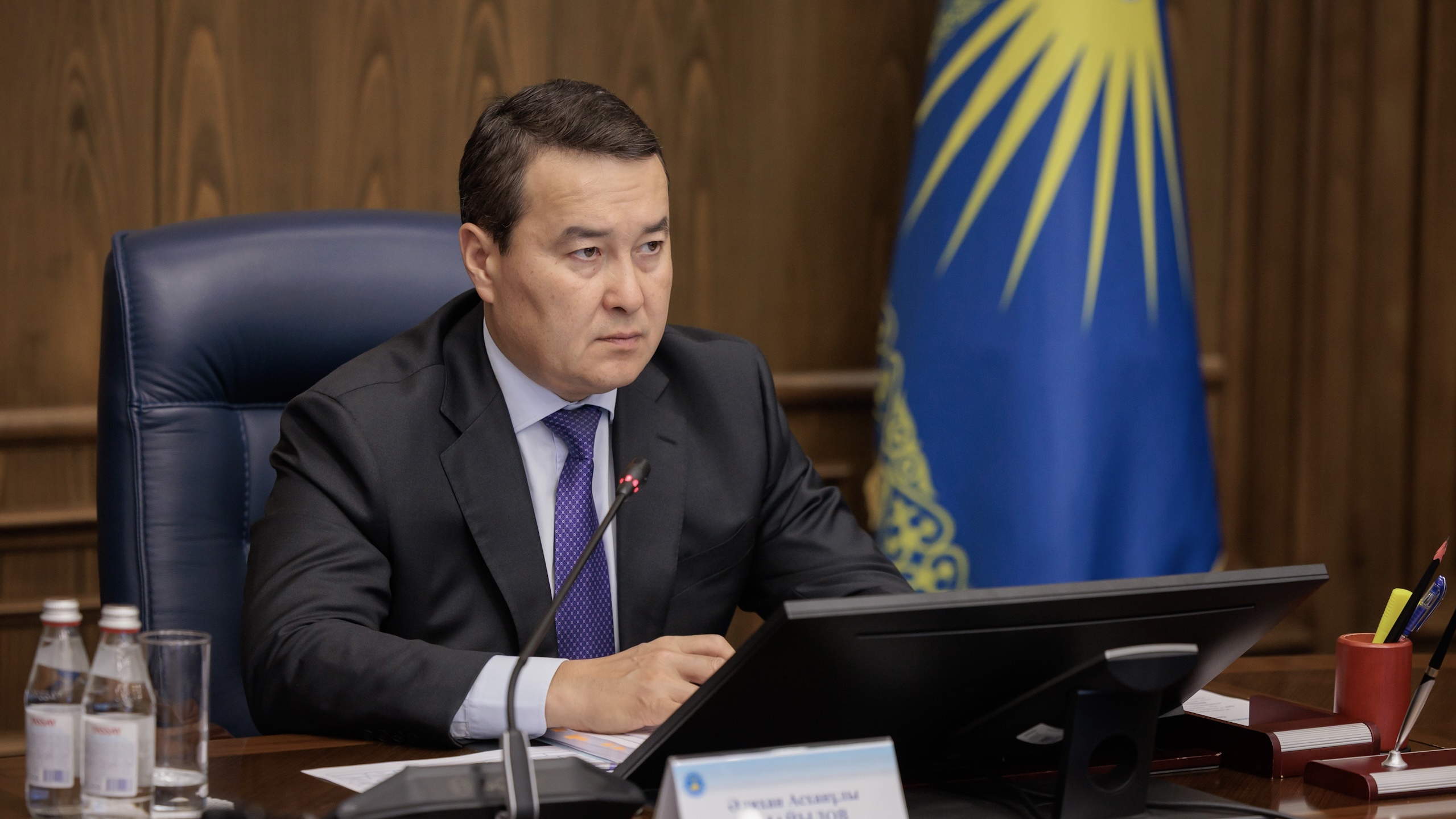
Supreme Audit Chamber has reviewed the results of a state performance audit of ensuring veterinary-sanitary, phytosanitary, and food security in the Republic of Kazakhstan.
The audit activities covered the Ministry of Agriculture, its various committees and subordinate organizations, the national company “Food Contract Corporation,” the National Agrarian Scientific and Educational Center, the national holding “QazBioPharm,” specialized higher education institutions, and regional socio-entrepreneurial corporations.
In his speech at the 1st Forum of Agricultural Workers, the Head of State, Kassym-Jomart Tokayev, once again emphasized the strategic importance of the agricultural sector in Kazakhstan.
“The agro-industrial complex must become one of the main drivers of economic growth. Both business and the state are interested in this. Above all, it is crucial for ensuring food security. The lives and well-being of rural residents also directly depend on the state of the sector,” said the President.
According to the Bureau of National Statistics, the volume of agricultural output in 2024 amounted to 8.3 trillion tenge, which is 9% more than in 2023. Of this total, crop production accounted for 5 trillion tenge (60.2%) and livestock production for 3.2 trillion tenge (39.6%). At the same time, the sector has enormous potential for further development.
In turn, the state audit revealed a number of problematic factors hindering the development of the country’s agro-industrial complex. These include inconsistencies between development program documents, failure to meet self-sufficiency indicators, and insufficient monitoring of food reserves.
Thus, the level of self-sufficiency for key food products still does not reach 80%, and the calculation methodology currently in use fails to account for physiological consumption norms.
An automated system for tracking and controlling food reserves has yet to be implemented in the country, resulting in unreliable data regarding the availability and movement of such goods.
There are also shortcomings in veterinary and phytosanitary safety. More than 87% of veterinary laboratories are not accredited to meet international standards. Violations of procurement procedures for veterinary drugs were identified, amounting to over 396 million tenge. Additionally, not all border checkpoints (only 24 out of 101) are currently equipped with phytosanitary control.
State auditors also pointed to the slow pace of increasing the scientific intensity of agriculture – as of 2023, this indicator stood at only 0.26% of GDP. The insufficient application of scientific research results in practice is hindering the modernization of the sector.
Inefficient budget planning was identified in the amount of over 179 million tenge, along with inefficient use of funds totaling 66.2 billion tenge.
As a result of the audit, the audited entity took corrective measures, leading to the recovery of 4.4 billion tenge to state assets.
Supreme Audit Chamber has developed the necessary recommendations and directives to address all revealed violations and issues. These have been submitted to the Government of the Republic of Kazakhstan and the audited entities in working order.