The results of the state performance audit of budget expenditures on training athletes were reviewed by the Supreme Audit Chamber of the Republic of Kazakhstan
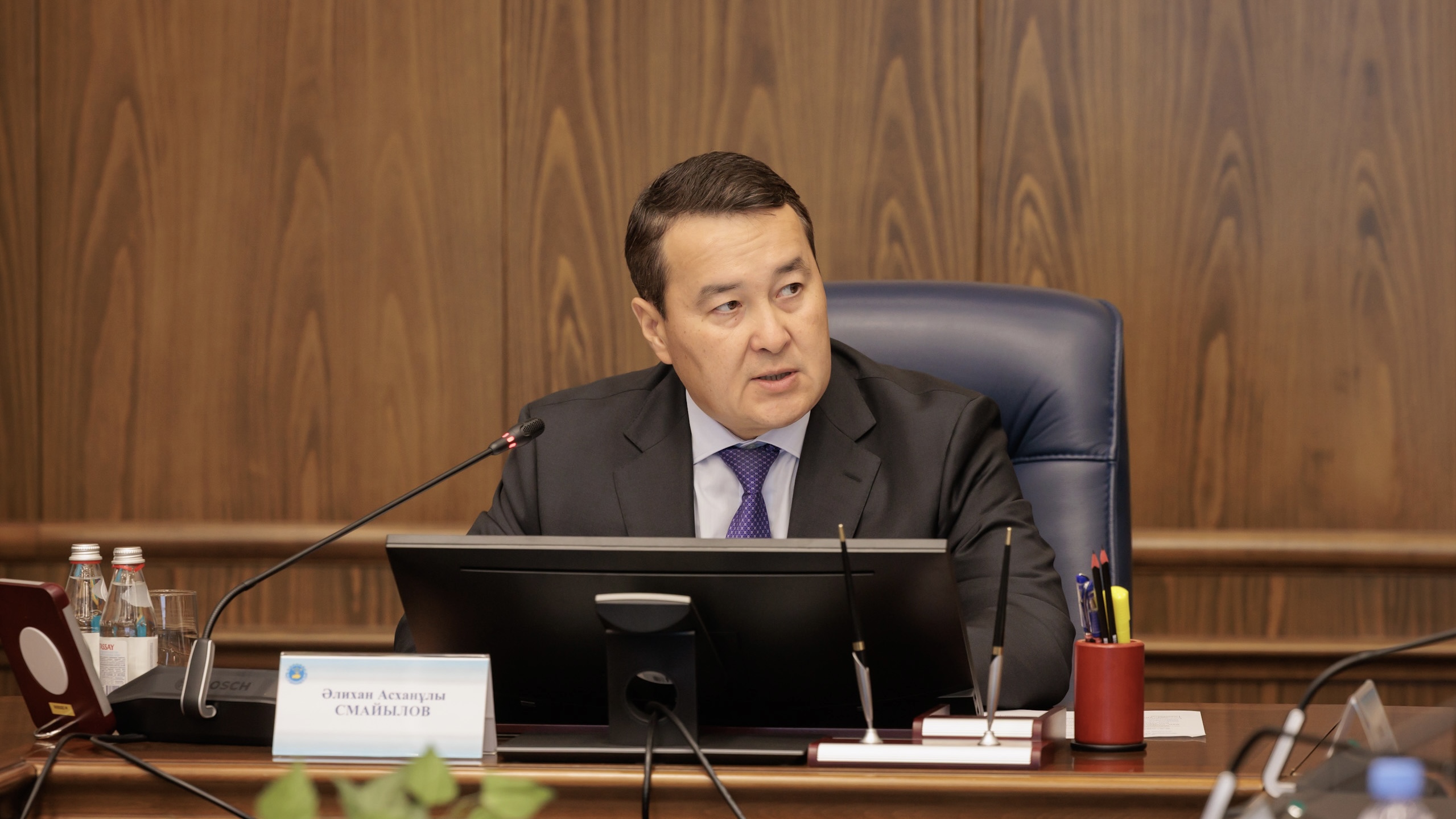
The state performance audit of using budget funds allocated for the education and training of athletes has been completed. Its results were considered at the meeting of the Supreme Audit Chamber.
According to the Ministry of Tourism and Sports, the number of people engaged in sports in Kazakhstan is steadily increasing: from 2021 to 2024, it grew by 24%, reaching 8.4 million people (over 40% of the total population). Annual spending on sports development is also rising: since 2021, it has doubled — from 153 billion tenge to 315 billion tenge.
At the same time, the state audit revealed a number of problems and shortcomings in the regulation of the sphere of sports of high achievements and the preparation of sports reserves.
Thus, over the years of independence, 3 concepts, 4 state programs and 1 comprehensive plan for the development of physical education and sports were adopted in the Republic of Kazakhstan. However, despite the large-scale regulatory framework, a systematic approach to the development of sports of the highest achievements was not formed. For example, the Comprehensive Plan for 2020-2025 completely lacks activities aimed at sports of highest achievements. A significant part of the tasks from the previous concept until 2025 was never implemented and was transferred to the new concept until 2029.
Shortcomings are also observed in scientific and methodological support. The Ministry did not conduct scientific research work in the field of sports, and stage plans did not take into account modern approaches to training athletes and medical and scientific support. Violations were also identified in the formation of the list of priority sports: decisions were made without a comprehensive analysis and often depended on the interests of sports federations. As a result, funding was allocated without considering the potential, performance, and resource base. For example, some non-Olympic sports received more funding than Olympic disciplines of the same group.
The audit showed that comprehensive target programs had not been approved for six summer Olympic sports. Furthermore, for 19 out of 46 Olympic summer sports, no athlete training programs exist within sports organizations. In 5 of these sports, due to poor preparation and low competition levels, athletes did not even participate in Olympic qualifying tournaments, competing only in other international events that do not grant Olympic qualification. Nevertheless, from 2022 to 2024, approximately 2 billion tenge were spent from the budget on their preparation and support.
There is a shortage of coaches for Olympic sports, while staffing levels for non-Olympic disciplines are expanding — since they more frequently bring “medals” and bonuses.
Not a single medal was won in 11 sports for 2022-2024, with costs of about 4 billion tenge. The system for training reserves remains insufficiently effective: there is no transparent selection for the Youth Sports School, there is no unified digital record of athletes and coaches, and medical support is outdated and does not cover everyone.
Over 3.5 billion tenge was allocated for bonuses to the administrative staff of the “Sports Development Directorate” between 2021 and 2024. In some cases, the amount of bonus payments exceeded the payroll fund, and the average annual bonus per person reached 7.7 million tenge. At the same time, quality bonuses for training activities were awarded even to employees not involved in athlete preparation.
In total, the audit revealed violations amounting to approximately 17 billion tenge, including:
- Financial violations – 348 million tenge
- Ineffective planning – 2.8 billion tenge
- Inefficient use of funds – 13.7 billion tenge
A total of 56 systemic deficiencies and 270 procedural violations were revealed.
157 audit materials were submitted for consideration regarding administrative responsibility.